May 29, 2026

business-law

Navigating the legal landscape of business can be daunting. Fortunately, free resources are available to help entrepreneurs and small business owners. This guide explores the various forms of free business legal advice, from online resources to legal clinics, highlighting their strengths and weaknesses. We’ll also delve into situations where free advice is sufficient and when professional counsel is essential.

Understanding the potential legal needs of your business is crucial for proactive planning. This guide examines common legal issues across different business structures, providing insights into areas like contracts, intellectual property, and employment law. It also includes a table that illustrates these issues in various business structures.

Introduction to Free Business Legal Advice

Free business legal advice can be a valuable resource for entrepreneurs and small business owners. It can help navigate complex legal issues, potentially saving significant costs and time compared to hiring a lawyer for every consultation. This advice often comes in various forms, each with its own set of benefits and limitations.This overview explores the different avenues of free business legal advice, examining their strengths and weaknesses to help you determine which might be most suitable for your specific needs.

It also highlights the crucial importance of understanding the limitations of such advice, as it may not always be a complete substitute for professional legal counsel.

Overview of Free Business Legal Advice

Free business legal advice encompasses a range of resources designed to assist individuals and businesses with legal matters without incurring direct costs. This includes online resources, legal clinics, and government programs, each offering varying levels of support and expertise.

Different Forms of Free Business Legal Advice

Numerous avenues provide free or low-cost legal assistance to businesses. These range from readily accessible online resources to more specialized programs.

  • Online resources offer a wealth of information on legal topics relevant to business. These often include websites with articles, FAQs, and guides covering common legal issues such as contracts, intellectual property, and business formation. While accessible 24/7, these resources typically lack the personalized attention and in-depth analysis offered by other forms of legal advice.
  • Legal clinics provide a valuable opportunity for businesses to receive personalized legal assistance from trained professionals. These clinics, often run by law schools or bar associations, offer limited-time consultations and support, which can be particularly helpful for startups and small businesses. A drawback is the limited availability of appointment slots and potential wait times.
  • Government programs often provide specific assistance to certain business types or those facing particular challenges. For example, some agencies offer guidance on regulatory compliance, intellectual property rights, or contract negotiation. The types of assistance offered can vary greatly depending on the program and location.

Limitations and Potential Drawbacks

Free legal advice, while valuable, comes with inherent limitations. It often lacks the depth of personalized guidance and tailored solutions that a paid legal professional can provide. The scope of issues addressed is typically restricted, with potentially significant gaps in coverage for complex or niche legal situations.

  • One major limitation of free business legal advice is its scope. Often, the advice is geared toward common issues and does not delve into the complexities of a specific case. This means a business might not receive a thorough evaluation of the entire situation.
  • Another significant drawback is the potential lack of confidentiality. While efforts are made to protect client information, the very nature of a free service may limit the extent of confidentiality measures in comparison to a paid legal consultation.

Comparison of Free Business Legal Advice Types

The following table compares different types of free business legal advice, highlighting their advantages and disadvantages.

Type of Advice Pros Cons
Online Resources Accessible, 24/7 availability, wide range of topics covered Limited scope, may not be personalized, potential for misinformation
Legal Clinics Personalized, expert guidance, tailored to specific needs Limited hours, potential wait times, may not cover all areas of law

Identifying Potential Legal Needs for Businesses

Understanding the potential legal hurdles your business might face is crucial for its long-term success. Proactive legal planning can prevent costly disputes and ensure compliance with regulations, allowing your business to focus on growth and innovation. This section will explore common legal issues and highlight situations where seeking legal counsel is vital.

Common Legal Issues for Businesses

Businesses encounter a range of legal challenges, often categorized by area of law. Recognizing these potential issues empowers businesses to address them before they escalate into major problems.

  • Contracts: Contract disputes are a frequent concern for businesses of all sizes. These disputes can arise from misunderstandings in the agreement, breach of contract by one party, or disagreements over performance. Examples include disagreements over payment terms, delivery timelines, or quality standards in sales contracts. Clear, well-drafted contracts, coupled with an understanding of the terms and conditions, are essential for mitigating risks.

  • Intellectual Property: Protecting your business’s trademarks, copyrights, and patents is vital. Infringement can lead to significant financial losses. Businesses involved in creative industries, software development, or design should be particularly mindful of intellectual property issues.
  • Employment Law: Navigating employment laws, including hiring, termination, and workplace discrimination, is essential. Compliance with labor laws is critical for preventing legal action and maintaining a positive work environment. Misclassifying employees as independent contractors can result in significant penalties and back taxes.
  • Tax Law: Keeping up with the evolving tax regulations is crucial for businesses. Failure to comply with tax laws can lead to penalties, audits, and legal battles. Understanding the different tax obligations for various business structures (sole proprietorship, partnership, LLC) is critical for minimizing tax liabilities and ensuring proper record-keeping.
  • Real Estate: For businesses that own or lease property, understanding real estate law is important. Issues such as lease agreements, property taxes, zoning regulations, and property disputes can significantly impact a business.

Importance of Proactive Legal Planning

Proactive legal planning is more than just a precaution; it’s a strategic investment. It helps businesses avoid potential pitfalls, minimizes financial losses, and maintains a strong legal foundation. This proactive approach allows for addressing issues before they escalate, which is often significantly less expensive than resolving disputes after they have arisen.

Examples of Situations Requiring Legal Advice

Several situations demand immediate legal intervention. A few examples include:

  • A contract dispute: If a business partner fails to uphold their contractual obligations, seeking legal advice is crucial to understand options for resolution.
  • Intellectual property infringement: If a business suspects another entity is using its intellectual property without permission, immediate legal counsel is essential to protect its rights and prevent further infringement.
  • Employee termination issues: When faced with employee termination issues, proper legal guidance is vital to ensure compliance with employment laws and minimize potential liabilities.
  • A significant change in business structure: Transforming a sole proprietorship into an LLC requires legal expertise to ensure the transition is properly documented and compliant with regulations.

Potential Legal Needs by Business Structure

Different business structures have distinct legal needs. The table below provides a concise overview:

Business Structure Potential Legal Needs
Sole Proprietorship Contract disputes, tax issues, intellectual property protection
Partnership Partnership agreements, dispute resolution, intellectual property protection
LLC Formation documents, operating agreements, contract disputes, tax issues

Evaluating Online Resources for Free Legal Advice

Accessing free legal information online can be a valuable tool for businesses, but it’s crucial to approach such resources with discernment. Understanding the strengths and limitations of different platforms is essential for making informed decisions. Blindly relying on free online resources without considering their credibility can lead to costly errors.Online legal resources offer a readily available source of information, but careful evaluation is necessary to avoid pitfalls.

Different platforms have varying degrees of trustworthiness and accuracy, making it important to understand the potential risks before acting on the information found.

Strengths and Weaknesses of Online Legal Resources

Various online resources provide legal information for businesses. Government websites, legal aid organizations, and commercial legal portals each have their own strengths and weaknesses in the context of offering business advice. Understanding these differences is crucial for evaluating the reliability of the information presented.

  • Government websites often provide valuable legal information specific to their jurisdiction. For example, state-level websites frequently post updated regulations and relevant laws. However, these resources are typically limited to the specific legal framework of the jurisdiction in which they operate.
  • Legal aid organizations offer free legal information and sometimes even direct assistance, often tailored to specific legal needs. However, eligibility criteria might apply, limiting access for some businesses.
  • Commercial legal portals, while sometimes providing general guidance, can have inherent limitations. The accuracy and comprehensiveness of the information may vary significantly, and there might be a potential for bias toward the interests of the platform or its affiliated entities. For instance, a portal sponsored by a specific insurance company may lean toward their policies or services.

Comparing Credibility and Accuracy of Online Resources

Evaluating the credibility of online legal information is essential. Different resources have varying degrees of authority and expertise. For example, a legal aid organization may have a team of experienced attorneys, while a commercial legal portal may rely on user-generated content or information compiled from less-authoritative sources.

  • Government websites, due to their official nature, generally hold high credibility. However, the specific laws and regulations are jurisdiction-dependent. One must ensure the resource addresses the applicable jurisdiction.
  • Legal aid organizations, often staffed by experienced attorneys, are often reputable sources. However, eligibility requirements for their assistance need to be reviewed. For example, a specific legal aid organization might prioritize cases involving low-income individuals.
  • Commercial legal portals, in contrast, might vary in their trustworthiness. Their content may be composed of articles or summaries from diverse sources. Therefore, verifying the credibility of each specific piece of information is critical.

Risks of Relying Solely on Free Online Information

Relying solely on free online information for legal guidance poses several risks. This approach often lacks the personalized attention and nuanced understanding that a qualified legal professional can provide. The legal landscape is complex and constantly evolving. Consequently, online information may not reflect the most recent legal developments or nuanced interpretations of case law.

Resource Type Trustworthiness Limitations
Government Websites High Specific to jurisdiction
Legal Aid Organizations High Eligibility requirements
Commercial Legal Portals Variable Potential for biased information

Understanding Legal Advisors

Navigating the legal landscape of business can be complex. Understanding the different types of legal advisors and their roles is crucial for businesses of all sizes. This section details the characteristics of various legal advisors and provides guidance on selecting the right advisor for your specific needs.Legal advisors play a vital role in protecting and advancing a company’s interests.

Their expertise encompasses a broad spectrum of legal issues, from contracts and intellectual property to regulatory compliance and litigation. They act as a crucial liaison between the business and the legal system, ensuring that the company operates within the bounds of the law.

Roles and Responsibilities of a Legal Advisor

A legal advisor’s responsibilities are multifaceted, encompassing various tasks. They provide advice on legal matters, draft and review contracts, and manage legal risks. This includes advising on compliance with regulations, conducting legal research, and representing the company in legal proceedings. They also play a critical role in mitigating legal risks by proactively identifying potential issues and recommending appropriate solutions.

Different Types of Legal Advisors

Businesses have several options when seeking legal counsel. Understanding the distinctions between different types of legal advisors is essential for making an informed decision.

  • Corporate Counsel: These in-house legal professionals are employed directly by the company. They are responsible for providing legal support and advice to the company’s various departments. Their expertise is tailored to the company’s specific needs and industry. Corporate counsel often have a deep understanding of the company’s operations and can anticipate potential legal issues. They are embedded within the company’s structure, enabling quicker response times and more cost-effective solutions in the long run.

  • External Consultants: External consultants are independent legal professionals who work with businesses on a project-by-project or as-needed basis. Their expertise often spans a wide range of legal areas, allowing them to address specific needs as they arise. External consultants provide specialized advice, potentially at a higher cost than in-house counsel, but offer flexibility for businesses with varying legal requirements.

Importance of Finding a Qualified Legal Advisor

The choice of legal advisor significantly impacts a business’s success and longevity. A qualified legal advisor possesses the necessary expertise and experience to handle complex legal matters effectively. This includes a strong understanding of the relevant laws, regulations, and legal precedents, ensuring that the business operates within the bounds of the law and avoids potential legal disputes. This ensures a consistent level of support and expertise.

Steps to Consider When Choosing a Legal Advisor

Selecting the right legal advisor is a crucial step for any business. A well-informed decision will contribute significantly to the business’s overall success. Factors to consider include:

  • Experience and Expertise: Evaluate the legal advisor’s experience in the specific area of law relevant to the business’s needs. Consider their track record and success in similar cases or situations.
  • Reputation and References: Research the legal advisor’s reputation within the legal community and industry. Seek recommendations from other businesses or professionals who have worked with them. This provides insights into their professionalism and efficiency.
  • Communication Style and Availability: Assess the legal advisor’s communication style and availability to address the business’s needs. Clear communication and prompt response times are essential for effective collaboration.
  • Fees and Payment Terms: Understand the legal advisor’s fees and payment terms. Compare different options and ensure the fees are reasonable and transparent.

Benefits of Seeking Professional Legal Counsel

Engaging professional legal counsel, even when not entirely free, offers several advantages. Professional legal advice mitigates potential legal risks and helps businesses avoid costly legal disputes. It also provides a structured approach to managing legal matters, ensuring compliance and protecting the business’s interests.

Seeking professional legal counsel can help your business avoid costly legal issues, improve its long-term success, and minimize potential risks.

Practical Application of Free Business Legal Advice

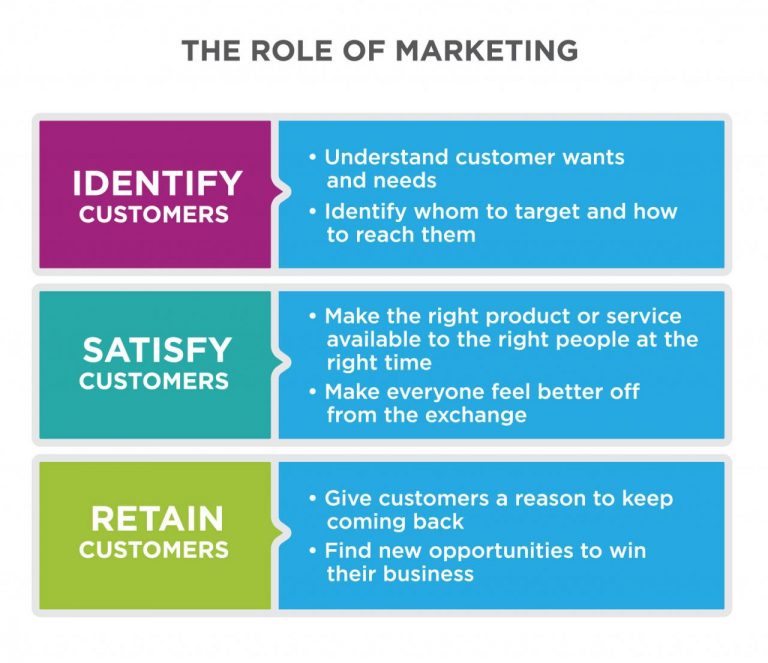
Reading: Marketing Defined | Principles of Marketing

Free legal resources can be a valuable tool for businesses navigating various legal situations. Understanding when these resources are appropriate and how to effectively utilize them can save significant time and money. This section will explore the practical application of free business legal advice, focusing on when it’s sufficient, how to use it effectively, and when professional consultation is necessary.Knowing when to utilize free legal advice and when to seek paid professional consultation is crucial for businesses.

Free resources often provide general information or guidance, but they may not offer tailored solutions to complex or nuanced issues.

Situations Where Free Advice is Sufficient

Free resources are often sufficient for businesses facing straightforward legal matters. These include understanding basic contracts, reviewing simple agreements, and familiarizing oneself with relevant laws like licensing or zoning regulations. For instance, if a business needs to understand the local zoning laws for a proposed expansion, free online resources may offer sufficient guidance.

Effective Utilization of Free Resources

Businesses can maximize the benefits of free legal resources by approaching their use strategically. First, research thoroughly. Identify the specific legal issue and utilize reputable online databases, legal aid organizations, or government websites. Thorough research provides a foundational understanding before consulting with any resource. Second, carefully review the information provided.

Don’t just skim through legal documents or summaries; take the time to understand the details and their implications for your business. Third, consider seeking clarification from multiple sources to cross-reference the information and ensure a comprehensive understanding. Combining information from different reputable sources is vital for accurate conclusions.

Determining When Paid Legal Consultation is Necessary

While free resources are valuable, certain situations require the expertise of a paid legal professional. Complex contract negotiations, intellectual property disputes, or lawsuits necessitate the advice of a lawyer experienced in these areas. If the potential consequences of a legal issue are substantial or the matter is intricate, a professional consultation is essential. Consider whether the issue involves significant financial implications, potential litigation, or intricate legal precedents.

For example, if a business is involved in a dispute regarding a significant financial transaction, a paid legal consultation would be recommended.

Flowchart for Addressing Legal Issues

Step Action
1. Identify the Issue Clearly define the legal problem facing the business. Document the key facts and relevant details.
2. Initial Research Utilize free online resources to understand the general legal principles involved. Identify relevant laws and regulations.
3. Evaluate the Issue’s Complexity Assess the complexity of the issue. Consider the potential financial implications, potential for litigation, and the need for specialized legal knowledge.
4. Consult Free Resources If the issue is straightforward, use free resources to gain a better understanding of the applicable laws and procedures. Consult legal aid organizations or online legal guides.
5. Seek Paid Consultation If the issue is complex, involves substantial financial implications, or requires specialized knowledge, schedule a consultation with a paid legal professional.
6. Document Decisions Document all research, consultations, and decisions made throughout the process.

Limitations of Free Legal Advice

While free legal resources can be invaluable for initial guidance and self-assessment, it’s crucial to understand their limitations. Relying solely on free advice without professional consultation can expose businesses to significant legal risks. It’s essential to recognize when free resources fall short and when specialized legal counsel is necessary.

Understanding the Limitations of Free Resources

Free legal advice, while helpful, often lacks the depth and personalized attention of paid professional services. This is particularly true when dealing with complex legal issues. Many free resources provide general information, not tailored legal opinions. This general guidance can be insufficient for specific business situations requiring a precise understanding of applicable laws and regulations. Free services frequently have limitations on the scope of assistance, covering only basic issues.

Businesses should be aware that their particular circumstances may necessitate a more detailed, nuanced approach than what a free resource can provide.

Situations Requiring Professional Legal Counsel

Certain legal situations demand the expertise of a qualified attorney. These situations often involve complex legal issues that go beyond the scope of basic advice. For instance, disputes with significant financial implications, mergers and acquisitions, intellectual property disputes, and significant contractual matters require expert legal counsel. The unique and specific details of each situation may necessitate legal strategies not covered by general resources.

Furthermore, time-sensitive issues such as injunctions or lawsuits require immediate legal attention that free resources cannot always guarantee.

Examples of Legal Issues Needing Professional Help

Complex contract negotiations, particularly those involving intricate clauses or high-value transactions, require the expertise of a legal professional. Similarly, issues concerning intellectual property infringement, such as copyright or patent disputes, necessitate the specialized knowledge of an attorney experienced in intellectual property law. Navigating employment law issues, including disputes over employee compensation, termination, or discrimination, often demands the specialized skills of a labor attorney.

These are just a few examples of legal matters where professional legal guidance is essential.

Table Summarizing Limitations of Different Free Legal Advice Types

Type of Advice Limitation Example
Online Resources Lack of personalized guidance, limited scope of review, inability to address unique circumstances. A business needs a nuanced review of a complex contract involving multiple jurisdictions. General online resources may not provide the level of detail necessary to identify potential risks.
Legal Clinics Limited hours, wait times, inability to provide immediate solutions to urgent issues, limited depth of expertise. A business faces a critical regulatory deadline. A legal clinic, due to scheduling constraints, may not be able to provide the prompt legal assistance required.

Closure

In conclusion, free business legal advice can be a valuable tool for many entrepreneurs. While online resources offer accessibility and 24/7 availability, they may lack the personalized touch of legal clinics. This guide has shown the advantages and disadvantages of each type, empowering you to make informed decisions about your legal needs. Remember, professional legal counsel remains crucial for complex issues.

Popular Questions

What are the common legal issues faced by sole proprietorships?

Sole proprietorships often encounter issues with contract disputes and tax obligations. Understanding these potential problems is essential for proactive planning.

How can I determine if a legal issue requires professional legal counsel?

A flowchart is provided within the content to help guide you through this process. Complex legal issues, especially those with high financial stakes, typically necessitate the assistance of a paid legal professional.

What are the limitations of relying solely on free online legal resources?

Free online resources often lack the personalized guidance of a legal professional. Complex legal situations, such as contract reviews, may require a lawyer’s expertise.

What are the eligibility requirements for legal aid organizations?

Eligibility requirements for legal aid vary by organization. It’s essential to review the specific guidelines of the organization you are considering to ensure you meet the criteria.

Navigating the complexities of business naming, especially when incorporating financial terms like “PayPal,” can be tricky. This exploration delves into the legal considerations surrounding using “PayPal” in a business name, drawing insights from Reddit discussions and legal expertise. Understanding potential trademark conflicts, legal implications, and best practices is crucial for avoiding pitfalls and ensuring a smooth business launch.

This comprehensive guide examines the various perspectives and advice shared by Reddit users, alongside legal insights to help entrepreneurs make informed decisions. We’ll explore the potential risks and rewards of using “PayPal” in a business name, offering practical strategies for navigating the legal landscape and securing a successful business venture.

PayPal Business Name Legality on Reddit

Reddit discussions surrounding the use of “PayPal” in business names often highlight concerns about brand confusion and potential trademark infringement. Users frequently debate the extent to which using the PayPal name, or variations thereof, could mislead customers or infringe on PayPal’s intellectual property rights. The legal implications are nuanced and depend heavily on specific circumstances.Reddit users raise various points about the potential for customer confusion.

Some argue that using “PayPal” in a business name, even if subtly altered, could lead customers to mistakenly believe there’s an affiliation with the payment processing giant. This could potentially harm PayPal’s reputation, or even mislead consumers into making incorrect assumptions about the quality or reliability of the business.

Common Concerns Regarding PayPal Business Names

Discussions on Reddit reveal several recurring concerns. Users express apprehension about the potential for customers to associate a business using the term “PayPal” with the financial services company, regardless of any explicit disclaimers. This confusion could affect brand perception and customer trust. There are also worries about the legal ramifications of using a similar name and the potential for trademark infringement.

Different Perspectives on Using “PayPal” in a Business Name

Redditors offer varied perspectives on the matter. Some believe that using “PayPal” or similar terms is inherently risky due to the established brand recognition and potential for confusion. Others suggest that a well-defined business identity and proper disclaimers might mitigate these risks. A significant portion of the discussions center around the practical implications of trademark laws, and how the specific use case of a given business name will affect the likelihood of legal action.

Potential Legal Implications of Using “PayPal” in a Business Name

The legal implications of using “PayPal” or similar names in a business name depend heavily on several factors, including the specific wording used, the nature of the business, the geographic location, and the presence of any disclaimers. A business might face challenges if its name is too similar to PayPal’s trademarks and causes confusion among customers. Legal counsel is recommended for any business considering using a name that closely resembles a well-known brand.

Pros and Cons of Using “PayPal” in a Business Name

Pros Cons
Potentially higher brand recognition and awareness if the name is clearly differentiated from PayPal’s brand, and the use is appropriately disclosed High risk of customer confusion and potential for misrepresentation, which could lead to legal issues.
Increased visibility and possible market traction if the name resonates with the target audience. Possible trademark infringement, leading to legal battles and financial penalties.
Potential for attracting customers familiar with PayPal’s brand, if the use is clearly distinguished. Negative impact on brand reputation, which can harm the business’s long-term prospects.

Legal Issues with PayPal Business Names

Using “PayPal” or similar terms in a business name can lead to significant legal complications. This is due to the established brand recognition and potential for trademark infringement. Carefully navigating these legal waters is crucial for protecting your business and avoiding costly disputes.Choosing a business name that doesn’t conflict with existing trademarks is essential for long-term success. This involves understanding the legal framework surrounding trademarks and conducting thorough searches before settling on a name.

The consequences of a poorly chosen name can range from legal action to reputational damage.

Trademark Conflicts

The potential for trademark conflicts is a major consideration when selecting a business name. “PayPal” is a well-known and highly recognized brand. Any name that is confusingly similar or uses the same or similar wording to “PayPal” could lead to a trademark infringement lawsuit. For instance, using “PayPalPlus” or “PayPalSolutions” might be seen as too close to the established brand, even if slight differences exist.

This could cause customer confusion and potentially harm PayPal’s reputation.

Importance of Trademark Searches

A comprehensive trademark search is critical to avoiding legal issues. This process involves researching existing trademarks to ensure that your proposed name is unique and does not infringe on any existing intellectual property rights. A trademark search can be conducted through online databases maintained by the United States Patent and Trademark Office (USPTO) and similar organizations. Failing to conduct a thorough search could lead to costly litigation down the road.

Intellectual Property Rights

Understanding intellectual property rights is paramount when choosing a business name. This includes trademarks, copyrights, and potentially patents, depending on the nature of the business. A strong understanding of these rights and how they apply to your chosen name is vital to avoiding future legal issues. The consequences of infringing on an existing trademark can be severe, involving court injunctions and financial penalties.

State and Federal Regulations

State and federal regulations play a role in business naming practices. These regulations may govern the use of specific words or phrases in a business name, and they can vary based on location. For example, a business name might need to adhere to specific regulations concerning the inclusion of certain s or the nature of the business itself.

Consult legal professionals familiar with your state and federal regulations to ensure compliance.

Steps in Conducting a Thorough Business Name Search

Thorough business name searches require a multi-faceted approach. This involves several steps:

  • Conduct a comprehensive trademark search using online databases and resources. This should cover both national and potentially relevant state databases.
  • Consult legal professionals for advice tailored to your specific situation. A legal professional can provide valuable insights and guidance to navigate the complexities of trademark law.
  • Check for availability of the name with relevant government agencies. Ensure the name is not already in use by another entity or reserved by someone else.
  • Consider the potential for confusion with other brands. Evaluate the similarity of the proposed name to existing, well-known brands to avoid customer confusion and potential legal issues.

Thorough examination and verification of available resources are essential in protecting your business’s reputation and avoiding potential legal disputes.

Reddit User Experiences and Advice

Reddit users have shared a wealth of experience regarding the use of “PayPal” in business names. Navigating trademark issues and brand recognition is crucial when considering such a name. This section explores successful and problematic implementations, drawing from user insights and providing valuable advice.User experiences with “PayPal” in business names demonstrate a range of outcomes. Some users successfully utilized the name, while others faced challenges.

Understanding these varied experiences can help aspiring entrepreneurs make informed decisions.

Successful Use of “PayPal” in Business Names

Reddit users who successfully incorporated “PayPal” into their business names often employed strategies that focused on differentiation. These strategies involved creating unique brand identities and avoiding direct competition with PayPal’s core services. For example, one user successfully used “PayPal Consulting” for their financial advisory service, emphasizing a clear niche that distinguished their business from PayPal’s broader offerings. Another user successfully used “PayPal Gift Cards” for a resale business by offering unique customization options, clearly separating their product from the standard gift card market.

Challenges Faced Using “PayPal” in Business Names

Many Reddit users encountered difficulties when using “PayPal” in their business names. These difficulties frequently stemmed from existing trademark conflicts and the risk of customer confusion. Some users reported issues with trademark infringement, which led to legal actions or the need to change their business names. Others reported difficulties with establishing brand recognition due to the strong brand recognition of PayPal.

General Advice and Best Practices for Naming a Business

Reddit users consistently emphasized the importance of thorough research and consultation before finalizing a business name. Conducting trademark searches and checking for existing businesses with similar names are essential steps. Seeking legal advice from a business attorney can also significantly reduce the risk of future legal issues. The advice often included focusing on a clear, concise, and memorable name that accurately reflects the business’s services or products.

Finally, understanding the potential implications of using similar or identical names to established brands is crucial.

Frequently Asked Questions (FAQs)

  • Can I use “PayPal” in my business name if I’m not offering financial services?
  • Yes, it’s possible, but a key consideration is to avoid confusion with PayPal’s services. Focus on clearly distinguishing your offerings. This might include highlighting a specific niche, product, or service that differentiates your business from PayPal’s core offerings.
  • What are the risks of using “PayPal” in my business name?
  • Potential risks include trademark infringement, customer confusion, and potential legal challenges. Thorough research and consultation with legal professionals are essential.
  • How can I avoid issues with using “PayPal” in my business name?
  • Thorough research into existing trademarks, conducting trademark searches, and consulting with legal professionals are critical. Differentiation is key. This could include employing a unique branding strategy that distinguishes your offerings.

Seeking Legal Advice

Navigating the complexities of business law, especially when choosing a business name, can be challenging. This section Artikels various avenues for obtaining expert legal guidance to ensure your business name aligns with legal requirements and avoids potential conflicts. Thorough legal consultation is crucial for avoiding costly mistakes and ensuring a smooth business launch.Seeking legal counsel is not merely a formality; it’s a proactive step that safeguards your business’s future.

A qualified legal advisor can provide crucial insights into the legal implications of your chosen name, helping you avoid potential pitfalls and ensuring your business operates within the bounds of the law.

Methods for Finding a Qualified Legal Advisor

Consulting a legal expert specializing in business law is a critical step in the business name registration process. Several avenues exist for finding a qualified legal advisor. Networking with other business owners, attending industry events, and seeking referrals from trusted sources can yield valuable leads. Online legal directories and professional organizations also provide access to qualified legal practitioners.

Importance of Pre-Registration Consultation

Consulting a legal advisor before registering a business name is highly recommended. A pre-registration consultation helps assess the availability and legal implications of your chosen name, preventing potential legal challenges down the line. This proactive approach ensures that your business name is legally sound and avoids costly revisions or rebranding later on. This process can potentially save your business from legal issues and financial losses.

Types of Legal Advisors Specializing in Business Law

Various professionals can provide business law expertise. Attorneys specializing in corporate law are well-versed in legal frameworks governing business entities. Consultants with expertise in business law can offer practical advice on compliance and regulatory issues. The choice between an attorney and a consultant often depends on the specific needs and budget of the business.

Questions to Ask a Legal Advisor Regarding Business Name Legality

When consulting a legal advisor about business name legality, it’s essential to prepare a list of specific questions. These inquiries should cover the legal implications of your chosen name, its availability across jurisdictions, potential trademark conflicts, and any necessary steps to register the name legally.

  • Is the chosen name available for use in my specific industry and jurisdiction?
  • Does the chosen name infringe upon existing trademarks or copyrights?
  • Are there any specific legal requirements or restrictions related to my chosen business name?
  • What are the potential legal implications if the business name is not registered properly?
  • What are the steps required to legally register my business name, including any necessary documentation?
  • What are the potential costs associated with registering and maintaining the business name?

Comparison of Legal Advisors

The table below highlights the key differences between various legal advisors who specialize in business law. This information will help you make an informed decision based on your specific needs.

Advisor Type Specialization Contact Info Example
Attorney Corporate Law, Contract Negotiation, Dispute Resolution [email protected]
Business Consultant Business Strategy, Compliance, Regulatory Guidance [email protected]
Trademark Attorney Intellectual Property Law, Trademark Registration, Enforcement [email protected]
Small Business Advisor Business Planning, Startup Guidance, Funding Options [email protected]

Legal Advisor’s Role in Business Naming

A crucial aspect of establishing a successful business involves securing a suitable and legally sound business name. This process can be intricate, and navigating potential legal pitfalls requires careful consideration. A legal advisor plays a pivotal role in this process, ensuring compliance with relevant regulations and minimizing the risk of future disputes.A legal advisor acts as a valuable guide, proactively identifying and mitigating potential legal issues associated with business names.

Their expertise in intellectual property law and relevant jurisdictions is invaluable in preventing conflicts and protecting the business’s interests.

Assistance in Avoiding Potential Legal Issues

A legal advisor’s proactive approach to business naming significantly reduces the risk of legal problems. By understanding the nuances of trademark law, the advisor can identify potential conflicts with existing trademarks or similar business names. This proactive approach helps the business avoid costly and time-consuming legal battles later.

Conducting Thorough Trademark Searches

A critical function of a legal advisor is conducting comprehensive trademark searches. This involves examining existing trademarks registered with relevant authorities to identify any similarities or potential conflicts with the proposed business name. This meticulous process ensures that the chosen name is unique and avoids infringing on the rights of other businesses. The legal advisor will utilize specialized databases and search tools to uncover potentially conflicting trademarks.

This proactive step safeguards the business from future legal challenges and ensures its chosen name is free of any existing trademark registrations.

Involvement in Registering the Business Name

A legal advisor’s role extends beyond trademark searches to include assistance in registering the business name. This often involves filing the necessary paperwork with the relevant state or federal agencies. Their expertise ensures compliance with all applicable regulations, ensuring that the registration process is smooth and efficient. The advisor can also provide guidance on maintaining compliance with ongoing requirements, such as renewals and updates to registered information.

This ensures the business name remains protected and valid.

Value of Legal Advice in Navigating Complex Legal Issues

Legal advice concerning business names is particularly valuable when dealing with complex issues. For example, in cases involving multiple jurisdictions, or if the business intends to operate internationally, legal counsel can provide crucial guidance on the varying trademark laws and registration procedures in each jurisdiction. A legal advisor can also provide valuable insight into navigating situations involving similar-sounding names, domain name conflicts, or potential brand dilution issues.

This comprehensive approach ensures the business name strategy is well-informed and minimizes future legal challenges.

Business Name Alternatives

Choosing a business name that is both memorable and legally sound is crucial for success. A name that resonates with your target audience and avoids potential legal conflicts is key. This section explores alternative business names, offering various options and insights into their benefits.A well-chosen name sets the tone for your brand and establishes a professional image. A suitable name can be a significant asset, attracting customers and fostering trust.

Avoiding potentially problematic terms like “PayPal” is essential to ensure smooth operations and avoid confusion with existing brands.

Alternative Business Names Categories

This section categorizes alternative business names to aid in the selection process. A well-categorized list provides a structured approach to identifying suitable names.

  • Financial Services: Focus on terms related to finance, but avoid direct association with PayPal. Examples include “Apex Financial Solutions,” “Prosperous Payments,” “Global Exchange Solutions,” and “Secure Transactions Group.” These names evoke professionalism and trust without relying on overly familiar or potentially problematic terms.
  • Transaction Processing: This category uses names that describe the core function without using direct references to PayPal or similar services. Examples include “QuickPay,” “Velocity Payments,” “Instant Transfers,” and “Streamlined Transactions.” These names highlight efficiency and speed in transactions.
  • Digital Commerce: Names in this category emphasize the digital aspect of financial transactions. Examples include “E-Commerce Hub,” “Digital Wallet Solutions,” “Online Payments Network,” and “CyberCash Flow.” These options suit businesses focused on online transactions and digital commerce.
  • Creative and Unique: This category is for businesses looking for names that stand out. Examples include “FinTech Forge,” “CashFlow Catalyst,” “Quantum Payments,” and “Nexus Exchange.” These names often use evocative language and create a distinct brand identity.

Synonyms for Financial Transaction Terms

Using synonyms for “PayPal” and other financial transaction terms can help avoid legal issues and create a more unique brand identity. It’s important to consider the specific nuance and connotation of each term to ensure it aligns with your brand’s image.

  • Instead of “PayPal”: Consider “e-wallet,” “digital payment platform,” “online money transfer,” “financial gateway,” “transaction hub,” “payment processor,” or “digital commerce platform.”
  • Instead of “payment”: Explore “transaction,” “exchange,” “transfer,” “settlement,” “deposit,” “withdrawal,” or “fund management.”
  • Instead of “transactions”: Consider “payments,” “transfers,” “exchanges,” “settlements,” or “disbursements.”

Benefits of Choosing Alternative Names

Selecting alternative business names offers several benefits. It reduces the risk of legal conflicts, creates a distinct brand identity, and can enhance brand recognition. A unique name can help differentiate your business from competitors and establish a strong brand presence.

  • Legal Clarity: Choosing a unique name avoids potential conflicts with existing brands and trademarks. This prevents costly legal battles and ensures a smooth business operation.
  • Brand Differentiation: Alternative names allow your business to establish a unique identity in the marketplace. A distinct name can create a stronger brand presence and improve brand recognition.
  • Customer Recognition: A creative and well-chosen name can help customers recognize and remember your business. This contributes to long-term customer loyalty and brand advocacy.

Examples of Creative and Unique Business Names

The following are examples of creative and unique business names that are legally sound:

  • “Apex Financial Solutions”: Evokes a sense of excellence and leadership in the financial sector.
  • “Prosperous Payments”: Focuses on the positive outcomes associated with financial transactions.
  • “Global Exchange Solutions”: Highlights the international scope of the business.
  • “FinTech Forge”: Suggests innovation and technological advancement in the financial sector.

Closing Notes

In conclusion, choosing a business name involves careful consideration of legal factors. This guide highlighted the importance of trademark searches, consulting legal advisors, and exploring alternative names. By understanding the potential pitfalls and utilizing the provided resources, entrepreneurs can navigate the legal complexities and establish a strong foundation for their businesses. Remember, a robust understanding of the legal implications is paramount for avoiding costly errors.

FAQ Resource

Can I use “PayPal” in my business name if I’m not in the financial industry?

Using “PayPal” in a business name, even if unrelated to finance, could potentially lead to trademark infringement if the name is already registered or if it creates confusion with the PayPal brand. Thorough trademark searches are essential.

What are some alternative business names if I want to avoid using “PayPal”?

Consider alternative names that evoke the same essence without using “PayPal” or similar terms. Synonyms for “payment” or “transaction” could provide suitable alternatives. Alternatively, consider a name that directly reflects your business’s core value proposition.

How can I find a qualified legal advisor for business name issues?

Seek recommendations from colleagues, industry associations, or online legal directories. Look for attorneys specializing in business law and contract negotiation. Ensure the advisor has experience in trademark searches and business name registrations. Check for relevant licensing and qualifications.

What are the steps involved in conducting a business name search?

Begin with online trademark databases to check for existing registrations. Incorporate state and federal name registration checks. Consider contacting a legal advisor to guide you through this process, as their experience can prevent costly errors.

Legal business studies delve into the intricate relationship between law and commerce, offering a crucial framework for navigating the complexities of the modern business world. This guide provides a comprehensive overview of key concepts, areas of focus, and practical applications, empowering readers with the knowledge needed to succeed in today’s dynamic legal landscape.

From understanding fundamental legal frameworks to analyzing real-world case studies, this exploration illuminates the critical role of legal expertise in shaping business decisions and strategies. The guide will also Artikel the differences between legal business studies and the more practical applications of business law.

Introduction to Legal Business Studies

Legal business studies provide a crucial framework for understanding the complex interplay between law and business. This interdisciplinary field examines the legal principles and regulations that govern business operations, transactions, and relationships. It equips individuals with the knowledge and skills necessary to navigate the legal landscape of the modern business world, fostering ethical and compliant business practices.The relationship between law and business is symbiotic.

Laws provide a structure for businesses to operate within, establishing boundaries and expectations for conduct. Conversely, businesses influence legal development through their activities and the need for legal solutions to emerging challenges. This dynamic relationship shapes the legal and regulatory environment, constantly evolving to meet the needs of the business world.

Defining Legal Business Studies

Legal business studies are an interdisciplinary field that examines the intersection of legal principles and business practices. It draws upon concepts from various legal specializations and business disciplines to analyze the legal aspects of commercial activities. This includes contracts, intellectual property, corporate law, and more, to understand the legal landscape businesses operate within.

Relationship Between Law and Business

Law provides the rules and regulations that businesses must follow. These rules cover everything from forming contracts to protecting intellectual property. Businesses, in turn, influence legal development by shaping the issues and concerns that require legal solutions. Examples include new technologies requiring adaptation in intellectual property law, or innovative business models requiring updated regulations on competition and market practices.

Importance of Legal Business Studies in the Modern Business World

Legal business studies are indispensable in the modern business world. Understanding legal frameworks ensures compliance with regulations, minimizes legal risks, and fosters ethical business practices. This translates into increased profitability, better stakeholder relationships, and a more sustainable business model. The dynamic nature of the business world requires a thorough understanding of legal principles to mitigate risks and maintain ethical conduct.

Key Areas of Study in Legal Business Studies

A comprehensive understanding of legal business studies involves exploring key areas of law relevant to business operations.

Area of Study Description
Contract Law Covers agreements between parties, including formation, interpretation, breach, and remedies. Crucial for business transactions, employment contracts, and sales agreements.
Intellectual Property Law Deals with creations of the mind, such as inventions, trademarks, and copyrights. Essential for protecting a company’s innovations and brand identity.
Corporate Law Governs the formation, operation, and dissolution of corporations. Addresses issues like corporate governance, liability, and securities regulations.
Commercial Law Encompasses the legal aspects of commerce, including sales, agency, and negotiable instruments. This is vital for understanding the legal aspects of everyday business activities.
Employment Law Focuses on the legal rights and responsibilities of employers and employees. This is crucial for creating a fair and compliant work environment.
Tax Law Deals with the regulations governing taxation of businesses and individuals. Understanding tax implications is critical for financial planning and compliance.

Core Concepts in Legal Business Studies

Understanding the interplay between law and business is crucial for navigating the complex landscape of modern commerce. This section explores fundamental legal concepts that underpin successful and ethical business operations, emphasizing the importance of compliance, ethical decision-making, and international considerations.Legal frameworks provide the structure within which businesses operate, ensuring fairness and predictability in commercial interactions. These frameworks, ranging from contract law to intellectual property rights, shape business strategies and influence decision-making.

Ethical considerations, often intertwined with legal obligations, further define the responsible conduct of businesses.

Legal Frameworks in Business Operations

Legal frameworks are the bedrock of business operations. They define the rules and regulations that govern various aspects of a company’s activities, from contracts and property rights to employment and environmental standards. These frameworks are essential for maintaining order, ensuring accountability, and promoting fair competition. A robust legal framework fosters trust and predictability in business dealings, encouraging investment and economic growth.

Principles of Business Ethics and Their Legal Implications

Business ethics are the moral principles that guide a company’s actions and decisions. These principles often align with, but can also extend beyond, legal requirements. A strong ethical framework promotes fairness, transparency, and social responsibility, leading to long-term sustainability and positive stakeholder relationships. Violation of ethical principles can result in legal repercussions, impacting a company’s reputation and bottom line.

Examples include cases of misleading advertising, unfair labor practices, or environmental damage.

Significance of Regulatory Compliance in Business

Regulatory compliance is the adherence to laws, rules, and regulations set by governing bodies. It’s essential for businesses to stay within legal boundaries to avoid penalties, maintain a positive public image, and foster trust with stakeholders. Compliance programs and policies are critical for mitigating risks and ensuring that businesses operate ethically and legally. Failure to comply can result in significant financial penalties, legal action, and reputational damage.

Examples of Legal Disputes Affecting Businesses

Legal disputes are inevitable in the business world. These can arise from contract breaches, intellectual property infringement, employment issues, or antitrust violations. Examples include disputes over the terms of a sales contract, claims of copyright infringement, or allegations of discriminatory hiring practices. These disputes can significantly impact a company’s financial stability and operational efficiency.

Impact of International Trade Laws on Businesses

International trade laws are complex and affect businesses operating across borders. These laws regulate trade between countries, covering areas such as tariffs, import/export regulations, and intellectual property rights. Navigating these laws is crucial for businesses engaging in international trade to avoid trade barriers and ensure compliance. Examples include trade disputes between nations, sanctions, and international trade agreements that can impact supply chains and market access.

Examples of How Legal Principles Influence Business Decisions

Legal principles play a significant role in shaping business decisions. From the choice of business structure to the design of contracts, legal considerations must be taken into account. Companies need to be aware of how legal precedents and regulatory changes might impact their operations. For example, a company contemplating a merger or acquisition will need to analyze the relevant antitrust laws to ensure compliance.

The presence of intellectual property laws impacts the design of new products.

Comparison of Legal Systems

Feature Common Law Civil Law
Source of Law Judicial precedent (court decisions) Codified statutes (written laws)
Role of Judges Active in interpreting and developing law Primarily applying codified laws
Flexibility More adaptable to changing circumstances More rigid and less adaptable
Emphasis Trial by jury Less emphasis on trial by jury
Example Countries United States, United Kingdom France, Germany

This table provides a simplified overview of the differences between common law and civil law systems. Each system has its own strengths and weaknesses, and the choice of system can significantly impact business operations.

Specific Areas of Focus

This section delves into the key legal landscapes that businesses navigate. Understanding these legal aspects is crucial for successful and compliant operations. From formation to consumer interaction, legal considerations permeate every facet of a business.The legal framework surrounding business activities is multifaceted and constantly evolving. Compliance with these regulations is essential for avoiding potential legal issues and maintaining a strong business reputation.

Businesses must carefully consider the implications of their actions in each area, from intellectual property protection to consumer protection.

Business Formation

Various legal structures dictate how a business operates and its liability. Understanding the differences between sole proprietorships, partnerships, and corporations is essential for choosing the most suitable structure. These structures affect taxation, liability, and the management of the business. A sole proprietorship is straightforward to establish but offers limited liability protection. Partnerships, often between two or more individuals, may face challenges in decision-making and liability.

Corporations, as separate legal entities, provide significant liability protection but involve more complex legal and administrative procedures.

Intellectual Property Rights

Intellectual property (IP) rights protect creations of the mind, including inventions, trademarks, and copyrights. These rights are vital for businesses to safeguard their unique offerings and prevent unauthorized use. Protecting trade secrets, trademarks, and copyrights are critical aspects of safeguarding a business’s competitive edge. Infringement of IP rights can lead to significant financial penalties and reputational damage.

Contracts and Agreements

Contracts are legally binding agreements that Artikel the terms and conditions of an arrangement between parties. The legal implications of contracts encompass essential aspects like offer, acceptance, consideration, and capacity. Breach of contract can lead to legal action, emphasizing the importance of meticulous contract drafting and review. Clear and concise contracts minimize ambiguities and potential disputes.

Employment Relations

Employment law governs the relationship between employers and employees. Key areas include hiring practices, compensation, workplace safety, and termination. Compliance with employment laws is crucial for maintaining a positive work environment and avoiding legal challenges. Understanding employee rights and obligations is equally vital for both parties. Regulations regarding wages, working conditions, and non-discrimination are paramount.

Marketing and Advertising

Marketing and advertising activities are subject to specific legal regulations. Misleading or deceptive advertising is prohibited, and businesses must adhere to consumer protection laws. Ensuring truthful and non-misleading advertisements is crucial for avoiding legal disputes. Compliance with advertising standards, particularly regarding endorsements and claims, is essential.

Consumer Protection

Consumer protection laws safeguard the rights of consumers in transactions with businesses. These laws address issues such as product safety, deceptive practices, and fair pricing. Consumer protection laws provide consumers with legal recourse against businesses that engage in unethical or unfair practices. Product liability and warranties are critical aspects of consumer protection.

Legal Aspects of Starting and Operating a Business

Area Key Legal Considerations
Business Formation Choosing the appropriate legal structure (sole proprietorship, partnership, corporation); registering the business; obtaining necessary licenses and permits.
Intellectual Property Protecting trademarks, copyrights, patents, and trade secrets; avoiding infringement.
Contracts Drafting and reviewing contracts; understanding contract terms and conditions; resolving contract disputes.
Employment Compliance with employment laws; handling employee relations; maintaining a safe and respectful workplace.
Marketing & Advertising Adhering to advertising regulations; avoiding misleading or deceptive practices; ensuring truthful claims.
Consumer Protection Ensuring product safety; complying with consumer protection laws; handling customer complaints.
Compliance Staying updated with relevant legal changes; seeking legal advice when necessary.

Illustrative Examples

Understanding the practical application of legal concepts in business is crucial. Illustrative examples provide a tangible way to grasp the complexities and implications of legal issues in various business contexts. These examples, while fictionalized, are designed to represent common scenarios and highlight the potential consequences of non-compliance.

Intellectual Property Violation

A software company, “InnovateTech,” developed a unique algorithm for data encryption. A competitor, “DataSecure,” copied the core code without authorization, integrating it into their own product. This blatant infringement of copyright and potentially patent law exposed DataSecure to substantial legal repercussions, including injunctions and financial penalties. This exemplifies the critical need for businesses to respect intellectual property rights and avoid unauthorized copying or use.

Employment Regulation Non-Compliance

A growing online retailer, “ShopFast,” prioritized rapid expansion over proper employee documentation and compliance. They failed to maintain accurate records of working hours, leading to inaccurate overtime payments and potential misclassification of employees as independent contractors. This oversight could result in substantial fines from labor authorities, significant back-payment obligations, and reputational damage. This case demonstrates the importance of adhering to employment regulations, including proper record-keeping, accurate classification, and timely payment of wages.

Successful Contract Law Application

“GreenGro,” a sustainable farming company, entered into a contract with a regional supermarket chain, “FreshMart,” for the exclusive supply of organic produce. The contract clearly Artikeld quantities, delivery schedules, and pricing. Both parties diligently adhered to the terms, resulting in a mutually beneficial and profitable partnership. This demonstrates how well-structured contracts can facilitate clear expectations and foster trust and cooperation between businesses.

Consumer Lawsuit Defense

“TechSolutions,” a technology consulting firm, experienced a consumer lawsuit alleging faulty software installation leading to data loss. The firm’s legal team meticulously reviewed the contract, analyzed the evidence, and demonstrated that the client’s actions contributed to the issue. They successfully argued that the client’s negligence superseded any potential liability on the part of TechSolutions, leading to dismissal of the case.

This case underscores the importance of strong legal representation and meticulous record-keeping to defend against consumer claims.

Common Legal Issues Faced by Startups

Issue Category Description
Intellectual Property Protecting inventions, trademarks, and copyrights is crucial for startups, as their ideas and innovations are often at the forefront of their business.
Contracts Navigating contract terms and conditions with clients, suppliers, and employees is vital to avoid future legal disputes.
Employment Law Ensuring compliance with labor laws, especially regarding hiring, compensation, and termination procedures, is essential for startups.
Data Privacy With the increasing use of customer data, startups must comply with privacy regulations to avoid legal penalties.
Regulatory Compliance Understanding and adhering to relevant industry regulations is critical to operating legally and avoiding costly fines or sanctions.

This table highlights the common legal challenges startups face. Addressing these issues proactively through legal counsel and thorough research can help startups avoid costly mistakes and maintain a positive legal standing.

Environmental Regulation Violation

“EcoBuild,” a construction company, disregarded local environmental regulations concerning waste disposal during a major housing project. They improperly disposed of hazardous materials, resulting in soil contamination and significant fines from environmental protection agencies. This case demonstrates the necessity for businesses to comply with environmental regulations to avoid harming the environment and incurring legal penalties.

Epilogue

In conclusion, legal business studies provide a vital lens through which to view the multifaceted relationship between law and business. This comprehensive guide has explored the core concepts, key areas of focus, and practical applications of legal knowledge in the business realm. Understanding the interplay between legal principles and business operations is essential for navigating the modern commercial environment and achieving success.

Common Queries

What are the key differences between common law and civil law systems?

Common law systems rely on precedent and judicial decisions, while civil law systems rely on codified laws. This difference impacts how legal disputes are resolved and how businesses operate within each system.

How do intellectual property rights affect businesses?

Intellectual property rights, including patents, trademarks, and copyrights, protect a company’s creative works and inventions. Violations can lead to significant financial and reputational damage.

What is the role of legal counsel in business decision-making?

Legal counsel provides advice on potential legal issues, helps draft contracts, and represents the company in legal disputes. Their input is crucial for minimizing risks and ensuring compliance.

How can businesses mitigate legal risks?

Businesses can mitigate legal risks by conducting thorough due diligence, adhering to regulations, implementing robust compliance programs, and seeking legal counsel when necessary.

Law & Business I lays the groundwork for understanding the intricate relationship between legal principles and business operations. This course explores fundamental legal concepts, from contracts and property to intellectual property and business structures, and how these principles shape modern business practices.

This introduction delves into the key legal frameworks impacting businesses, examining how government regulations, corporate social responsibility, and labor laws influence decision-making. The course also explores the nuanced legal considerations across various industries, from real estate to technology to finance.

Introduction to Law & Business I

Law & Business I provides a foundational understanding of the intricate relationship between legal principles and business operations. It explores how legal frameworks shape business decisions, transactions, and structures, offering a critical perspective on navigating the complexities of the commercial world. This introductory course emphasizes the importance of legal literacy for effective business practice.This subject area is crucial for students pursuing careers in business, law, or related fields.

Understanding the legal environment is essential for success in any business context, from small startups to multinational corporations. By examining key legal concepts and principles, students gain the tools necessary to make informed business decisions, mitigate legal risks, and foster ethical business practices.

Historical Context

The development of law and business is intrinsically linked to the evolution of commerce. Early legal systems, often rooted in customary practices and religious doctrines, gradually adapted to accommodate the growing complexities of trade. The rise of modern nation-states and the establishment of sophisticated legal frameworks coincided with the expansion of global markets and the growth of large-scale corporations.

This evolution highlights the continuous interplay between legal and economic forces.

Core Concepts and Principles

Several fundamental concepts underpin the field of law and business. These include contract law, which governs agreements between parties; property law, which deals with ownership and rights to resources; and tort law, which addresses civil wrongs and liabilities. Furthermore, the concept of intellectual property law is crucial in protecting creations and innovations. These principles, among others, are essential for understanding how legal rules affect business practices.

Key Differences Between Common Law and Civil Law Systems

Feature Common Law Civil Law
Source of Law Predominantly judge-made law, based on precedent (stare decisis). Primarily codified laws, enacted by legislatures.
Role of Judges Judges play a significant role in interpreting and applying the law, developing legal principles through case decisions. Judges primarily apply the codified laws, with less emphasis on precedent-setting rulings.
Impact on Business Practices Greater flexibility and adaptability in responding to changing business needs, as case law can evolve over time. However, uncertainty can arise from the need to analyze previous cases. Greater certainty and predictability in the legal framework, as laws are clearly defined. However, adapting to new business practices can be slower due to the need for legislative amendments.
Examples United States, United Kingdom France, Germany, Japan

Understanding the differences between common law and civil law systems is critical for businesses operating in international markets. These systems influence legal procedures, dispute resolution mechanisms, and contractual obligations. A company’s decision-making processes must take into account the legal system in which it operates.

Key Legal Concepts in Business

Understanding the legal landscape is crucial for navigating the complexities of the business world. Legal frameworks provide a structured environment for business operations, safeguarding rights, and mitigating potential disputes. This section delves into key legal concepts that businesses must be aware of, including contracts, property, intellectual property, and various organizational structures.

Contracts in Business

Contracts are legally binding agreements that Artikel the terms and conditions of a business transaction. They establish mutual obligations and expectations, providing a framework for resolving disputes should disagreements arise. A well-drafted contract clearly defines the scope of work, payment terms, deadlines, and dispute resolution mechanisms. This clarity reduces ambiguity and protects the interests of all parties involved.

Examples include sales contracts, service agreements, and employment contracts.

Property Law in Business Transactions

Property law governs the ownership, use, and transfer of assets in business transactions. Understanding property rights is essential for securing investments, protecting assets, and navigating complex ownership structures. Businesses often acquire property rights for use in their operations, and the type of property rights influences how the asset can be used or transferred. This includes real property (land and buildings) and personal property (equipment, inventory).

Intellectual Property Law

Intellectual property law safeguards creations of the mind, such as inventions, artistic works, and brand identities. This protection is crucial for businesses that rely on innovative products or distinctive branding. The three primary areas are patents, copyrights, and trademarks.

Patents

Patents grant exclusive rights to inventors for their inventions. This encourages innovation by protecting the investment of time and resources in developing a new product or process. A patent protects the underlying technology or design, and is often crucial for new product development and manufacturing processes.

Copyrights

Copyrights protect original works of authorship, including literary, dramatic, musical, and certain other intellectual works. They grant the copyright holder exclusive rights to reproduce, distribute, display, and perform the work. This protection is crucial for creative businesses and for the preservation of artistic expression.

Trademarks

Trademarks distinguish goods or services of one party from those of others. They serve as identifiers for consumers, facilitating the identification of products or services from a specific source. This protection is essential for building brand recognition and loyalty.

Legal Aspects of Business Organizations

The legal structure of a business significantly impacts its operations, liability, and taxation. Understanding the different types of business organizations and their respective legal implications is crucial for making informed decisions. Common organizational structures include sole proprietorships, partnerships, and corporations.

Sole Proprietorship

A sole proprietorship is a simple business structure where the owner and the business are treated as one entity. The owner has complete control and receives all profits but also bears full personal liability for business debts and obligations.

Partnership

A partnership involves two or more individuals who agree to share in the profits or losses of a business. Partnerships can be general or limited, each with different levels of liability and control.

Corporation

A corporation is a separate legal entity from its owners (shareholders). This separation provides limited liability for the owners, meaning their personal assets are protected from business debts. However, corporations are subject to more complex regulatory requirements and potentially higher taxes.

Business Structure Advantages Disadvantages
Sole Proprietorship Simplicity, complete control, all profits Unlimited liability, limited capital, difficult to raise capital
Partnership Shared resources, combined skills, potentially more capital Shared liability, potential for disputes, limited life of the business
Corporation Limited liability, easier to raise capital, perpetual existence Complex structure, double taxation, potential for government regulation

Business and the Law

Businesses operate within a complex legal framework established by governments. Understanding this framework is crucial for navigating the legal landscape and ensuring ethical and compliant practices. Compliance with regulations, both explicit and implicit, is essential for long-term success and avoids costly legal repercussions.

Impact of Government Regulations on Businesses

Government regulations are designed to protect various interests, including consumers, employees, and the environment. These regulations can impact businesses in numerous ways. They can impose restrictions on business practices, dictate reporting requirements, and establish safety standards. For example, environmental regulations require businesses to reduce their carbon footprint, leading to increased costs for compliance but also potentially offering opportunities for innovation and market leadership.

Similarly, regulations regarding data privacy and security are becoming increasingly stringent, demanding significant investments in infrastructure and procedures.

Significance of Corporate Social Responsibility in Legal and Ethical Business Practices

Corporate Social Responsibility (CSR) encompasses a company’s commitment to ethical and sustainable practices beyond its legal obligations. Businesses that embrace CSR often demonstrate a commitment to the well-being of their employees, communities, and the environment. Ethical business practices are not just a matter of public relations; they can translate into enhanced brand reputation, increased customer loyalty, and a more engaged workforce.

Furthermore, ethical decision-making can mitigate legal risks and prevent reputational damage in the long term.

How Businesses Can Comply with Labor Laws

Labor laws dictate the rights and responsibilities of employers and employees. Compliance with these laws is essential for avoiding legal challenges and fostering a positive work environment. Businesses must ensure fair wages, reasonable working conditions, and compliance with employment regulations concerning hiring, termination, and employee benefits. Comprehensive employee handbooks and clear communication regarding policies are vital for fostering transparency and compliance.

Examples of Ethical Dilemmas Faced by Businesses and Their Legal Implications

Businesses frequently face ethical dilemmas that have significant legal implications. A common example involves conflicts of interest, where a company official has a personal relationship or financial stake that could potentially influence their professional decisions. Another example is when a business faces pressure to engage in unethical practices, such as price fixing or misleading advertising, to gain a competitive edge.

Such decisions can lead to legal penalties, fines, and damage to the company’s reputation. For instance, the recent case of [insert a real-world example of a business facing an ethical dilemma and its legal repercussions].

Key Legal Responsibilities of Businesses

Responsibility Area Key Legal Responsibilities
Employees Providing safe working conditions, paying fair wages, ensuring compliance with labor laws, offering equal opportunities, preventing discrimination, and respecting employee rights.
Consumers Providing accurate information about products or services, ensuring product safety, complying with consumer protection laws, and handling complaints effectively.

Business Law in Specific Industries

Business law is not a monolithic entity; its application and specifics vary significantly across different industries. Understanding the legal nuances within each sector is crucial for businesses to operate legally and effectively. This section explores the legal considerations pertinent to various industries, focusing on contracts, technology, finance, and manufacturing/service sectors.

Legal Aspects of Contracts in Real Estate

Real estate transactions involve complex legal considerations, particularly in contracts. Valid real estate contracts must adhere to specific legal requirements, including offer and acceptance, consideration, capacity, legality, and genuine assent. A critical aspect is the Statute of Frauds, which mandates that certain contracts, including real estate sales, must be in writing to be enforceable. This ensures a clear record of the agreement and protects the interests of all parties involved.

Real estate contracts often include contingencies, such as financing or inspection contingencies, which can impact the enforceability and completion of the transaction.

Legal Issues Related to Technology in Business

Technology has revolutionized business operations, creating a new set of legal challenges. Intellectual property (IP) protection is paramount. Companies must safeguard their trademarks, copyrights, and patents to prevent unauthorized use and infringement. Furthermore, online transactions require careful consideration of legal issues such as data privacy, security, and consumer protection. E-commerce regulations often vary by jurisdiction, demanding compliance with local laws regarding online sales and data handling.

Legal Framework Governing Financial Institutions and Transactions

Financial institutions operate within a complex legal framework. Regulations like the Bank Secrecy Act and the Sarbanes-Oxley Act govern financial transactions, aiming to prevent fraud and maintain transparency. These regulations are designed to protect consumers, ensure financial stability, and deter illicit activities. Compliance with these laws is crucial for financial institutions to operate ethically and avoid significant legal penalties.

Comparison of Legal Considerations in Manufacturing and Service Industries

The legal considerations in manufacturing and service industries differ significantly. Manufacturing often involves stringent environmental regulations and labor laws, while service industries focus on consumer protection and contractual obligations. Intellectual property rights are also important in both, but their application varies. For example, a manufacturer might be concerned with protecting their manufacturing processes through trade secrets, while a service provider might focus on protecting their brand and reputation through trademarks.

Regulations Varying in Different Industries

Industry Key Regulatory Areas Examples of Regulations
Real Estate Contracts, property rights, zoning Statute of Frauds, building codes, environmental regulations
Technology Intellectual property, online transactions, data privacy Copyright Act, Digital Millennium Copyright Act, GDPR
Finance Financial transactions, consumer protection, anti-money laundering Bank Secrecy Act, Sarbanes-Oxley Act, Dodd-Frank Act
Manufacturing Environmental protection, labor standards, product safety Clean Air Act, Occupational Safety and Health Act, Consumer Product Safety Act
Service Contracts, consumer protection, professional licensing Unfair Competition Laws, licensing requirements, contract law

Understanding the diverse regulatory landscape is essential for navigating the legal complexities of various industries. The table above provides a concise overview, but each industry has its unique set of regulations.

Law & Business I and Business Law

Law & Business I serves as a foundational course, introducing key legal concepts relevant to business operations. It provides a general overview of the legal landscape impacting businesses, equipping students with a basic understanding of fundamental principles. This introductory course lays the groundwork for more in-depth exploration in subsequent Business Law courses.Business Law, as a broader subject, encompasses a wider spectrum of legal topics impacting businesses.

It delves into various legal areas, covering detailed regulations, specific industry practices, and complex legal procedures, building upon the fundamental concepts established in Law & Business I.

Comparison of Law & Business I and Business Law

Law & Business I focuses on foundational legal principles. It typically covers areas such as contracts, property, torts, and intellectual property in a general business context. It aims to provide a holistic understanding of how these concepts intersect with the everyday operations of businesses. Business Law, on the other hand, often dives deeper into specific legal issues within particular industries or business types.

Scope and Depth of Law & Business I

The scope of Law & Business I is narrower than Business Law. It provides a broad overview of legal concepts, rather than a deep dive into the intricacies of specific laws. The depth of analysis in Law & Business I is introductory, setting the stage for further study in more specialized areas of Business Law.

Relationship Between Law & Business I and Business Law

Law & Business I acts as a crucial prerequisite for more advanced Business Law courses. The fundamental legal concepts learned in the introductory course form the basis for understanding more complex legal frameworks and industry-specific regulations. These introductory principles are the building blocks for advanced study in Business Law.

Application of Law & Business I Principles in Advanced Business Law

Principles from Law & Business I are directly applied in advanced Business Law courses. For example, understanding contract formation in Law & Business I is essential for exploring complex contract negotiations and breaches in Business Law. Similarly, an understanding of property rights is critical to navigating intellectual property law or real estate transactions.

Key Connections Between Law & Business I and Business Law

Law & Business I Concept Application in Business Law
Contract Formation Complex contract negotiations, breach of contract, specific performance
Property Rights Intellectual property law, real estate transactions, secured transactions
Torts Product liability, negligence, and other business torts
Intellectual Property Patents, trademarks, copyrights, and their enforcement
Business Organizations Formation, operation, and dissolution of various business structures (sole proprietorship, partnerships, corporations, etc.)

Illustrative Case Studies

This section delves into real-world scenarios to illustrate key legal concepts in business. Analyzing these case studies provides practical context and highlights the potential legal ramifications of various business decisions.

Contract Dispute in a Business Setting

A software development company, “InnovateTech,” contracted with a marketing firm, “BrandBoost,” to create a marketing campaign for a new software product. The contract stipulated a specific timeline and deliverables, including a website redesign and social media marketing plan. BrandBoost, however, failed to meet the agreed-upon deadlines, causing InnovateTech to suffer significant losses in potential sales. The dispute centered on the breach of contract, with InnovateTech claiming compensation for lost profits and BrandBoost arguing unforeseen circumstances impacted their ability to fulfill the contract.

The case highlights the importance of clear contract terms, detailed timelines, and recourse for breaches.

Intellectual Property Infringement in the Technology Industry

A startup, “ByteTech,” developed a unique mobile application featuring a patented algorithm for personalized learning. A competitor, “QuickLearn,” copied the core functionality of the application, leading to a lawsuit by ByteTech for patent infringement. The court determined that QuickLearn’s actions constituted direct infringement, leading to an injunction preventing QuickLearn from further using the infringing technology and a significant monetary settlement awarded to ByteTech.

This case exemplifies the crucial role of intellectual property protection in safeguarding innovative technology.

Legal Ramifications of Corporate Social Responsibility Failures

A large apparel manufacturer, “GlobalGarments,” faced accusations of labor exploitation in its overseas factories. Reports surfaced detailing unsafe working conditions, excessively long hours, and low wages. Public outcry and investigations led to a significant drop in consumer confidence and brand reputation. “GlobalGarments” faced lawsuits from workers and boycotts from consumers, resulting in substantial financial losses and reputational damage.

The case underscores the legal and financial implications of neglecting corporate social responsibility.

Labor Law Violations in a Business Context

A construction company, “StrongBuilds,” employed numerous workers without providing mandatory safety equipment or adhering to overtime regulations. A worker suffered serious injuries due to inadequate safety measures, and the worker filed a lawsuit against StrongBuilds for negligence and labor law violations. The case illustrated the critical need for compliance with labor laws and highlighted the potential for significant financial penalties and reputational damage for non-compliance.

Summary of Key Lessons Learned

Case Study Key Lesson
Contract Dispute Clear contract terms and mechanisms for addressing breaches are crucial for preventing disputes.
Intellectual Property Infringement Protecting intellectual property through patents and trademarks is essential for safeguarding innovation.
Corporate Social Responsibility Failures Prioritizing ethical practices and corporate social responsibility is crucial for long-term success and avoiding legal and reputational risks.
Labor Law Violations Strict adherence to labor laws and regulations is essential to ensure worker safety and avoid legal repercussions.

Future Trends in Law & Business

The legal landscape of business is constantly evolving, driven by technological advancements, global interconnectedness, and societal shifts. This dynamic environment necessitates a forward-thinking approach to legal strategy, requiring businesses to anticipate and adapt to emerging challenges and opportunities. Understanding future trends empowers businesses to proactively mitigate risks and capitalize on emerging markets.

Emerging Legal Issues in AI and Automation

Artificial intelligence (AI) and automation are transforming various aspects of business operations, from customer service to manufacturing. However, these advancements also present novel legal challenges. Issues such as liability in autonomous systems, data privacy concerns with AI-driven decision-making, and the potential displacement of human workers require careful consideration. For example, determining liability when an autonomous vehicle causes an accident or addressing bias in AI algorithms used for hiring are crucial areas of legal development.

Technology’s Role in Shaping Future Legal Frameworks

Technology is profoundly reshaping the way legal frameworks are created and applied. Blockchain technology, for instance, is poised to revolutionize contract enforcement, potentially increasing transparency and efficiency. Digital signatures and electronic contracts are becoming more commonplace, demanding clear legal frameworks to ensure their validity and enforceability. Furthermore, e-discovery and data analytics are transforming litigation processes, enabling faster and more accurate analysis of vast datasets.

Impact of Globalization on Business Law

Globalization has intensified cross-border business transactions, leading to increased complexities in international law. Businesses operating internationally must navigate diverse legal systems, compliance regulations, and dispute resolution mechanisms. Intellectual property protection, antitrust considerations, and international trade agreements are paramount to success in this environment. International arbitration is also playing an increasingly significant role in resolving disputes arising from cross-border transactions.

Sustainability Concerns and Business Legal Practices

Growing environmental awareness and societal concerns are prompting businesses to adopt sustainable practices. Environmental regulations and standards are becoming stricter, requiring businesses to comply with evolving legal frameworks. This includes addressing issues like carbon emissions, waste management, and resource depletion. Corporate social responsibility (CSR) is also influencing legal practices, with investors and consumers increasingly scrutinizing companies’ environmental and social performance.

Trend Potential Impact
AI and Automation Liability concerns, data privacy issues, workforce displacement, ethical considerations in AI decision-making.
Technology in Legal Frameworks Increased efficiency in contract enforcement, digital signatures and electronic contracts, e-discovery and data analytics in litigation.
Globalization Navigating diverse legal systems, compliance regulations, international dispute resolution, intellectual property protection, antitrust considerations.
Sustainability Compliance with environmental regulations, stricter standards for carbon emissions, waste management, resource depletion, growing importance of CSR.

Ending Remarks

In conclusion, Law & Business I provides a comprehensive overview of the legal landscape facing businesses today. By exploring foundational concepts, practical applications, and emerging trends, students gain valuable insights into navigating the complex interplay between law and business. This knowledge is crucial for informed decision-making and success in the modern business world.

Detailed FAQs

What is the difference between common law and civil law systems?

Common law systems rely on precedent, while civil law systems are based on codified laws. This difference impacts how legal disputes are resolved and how businesses operate within each system.

How does intellectual property law protect businesses?

Intellectual property law safeguards inventions (patents), creative works (copyrights), and brand identities (trademarks), enabling businesses to protect their assets and gain a competitive edge.

What are the legal implications of corporate social responsibility?

Businesses face legal scrutiny regarding their social and environmental impact. Compliance with regulations and ethical practices are crucial for maintaining a positive public image and avoiding legal repercussions.

How do labor laws affect businesses?

Businesses must comply with labor laws regarding employee rights, wages, and working conditions. Failure to do so can lead to legal challenges and financial penalties.

Understanding the intricacies of a legal business description is crucial for any aspiring entrepreneur. This guide delves into the essential elements, highlighting the critical differences between a standard business description and its legal counterpart. We’ll explore the legal requirements, common pitfalls, and various business types, providing a framework for navigating the complexities of legal compliance.

From defining the fundamental components of a legal business description, such as business structure and activities, to examining specific industry considerations and location-based regulations, this resource aims to provide a practical and accessible overview. This comprehensive analysis equips you with the knowledge to create a robust and compliant legal business description tailored to your specific needs.

Defining a Legal Business Description

A legal business description is a crucial document outlining the specific legal structure and operational details of a business. It serves as a foundational document for legal compliance, guiding the business’s actions and ensuring its adherence to relevant laws and regulations. This description is distinct from a general business description, which focuses on the broader aspects of the business.This document meticulously details the specific legal aspects of the business, including its structure, responsibilities, and legal obligations.

It is designed to be a reference point for legal professionals and internal stakeholders to understand the legal implications of the business’s operations. It’s vital for avoiding future legal issues and ensuring the business operates within the bounds of the law.

Purpose and Key Components

A legal business description explicitly defines the legal structure of the business, its purpose, and the legal responsibilities of its stakeholders. Crucially, it clarifies the business’s relationship with external entities. Key components typically include the business’s legal name, its registered address, the legal structure (e.g., sole proprietorship, partnership, LLC), and the names and roles of key individuals involved.

This structure provides a clear, concise understanding of the legal framework governing the business’s operations.

Difference from a General Business Description

A general business description focuses on the business’s products, services, target market, and marketing strategies. Conversely, a legal business description concentrates on the legal aspects, such as the business’s legal structure, ownership, and operational compliance. The legal document ensures the business is registered correctly and complies with relevant laws and regulations, whereas the general description provides a business overview.

Legal Requirements and Considerations

Several legal requirements and considerations must be addressed in a legal business description. These considerations are vital to avoid potential legal conflicts and ensure compliance. This includes local and state business registration requirements, licenses, permits, and any specific regulations related to the business’s industry. Additionally, the document must Artikel the business’s liability structure and any potential conflicts of interest.

  • Business Structure: The document should explicitly state the chosen legal structure, whether it’s a sole proprietorship, partnership, limited liability company (LLC), or corporation. This clarifies the legal responsibilities and liabilities associated with each structure.
  • Ownership and Management: The legal description details the ownership structure, including the names and roles of the owners, managers, and directors. It Artikels the decision-making processes and authority levels within the business.
  • Financial Obligations: This section specifies the financial obligations and responsibilities of the business, including tax obligations, financial reporting requirements, and debt management policies. It clearly Artikels how the business will handle finances and report to relevant authorities.
  • Liability Structure: The description must clearly define the liability structure of the business. It’s crucial to Artikel the extent of liability for owners and employees in various scenarios, such as business operations and contracts. This prevents future conflicts.

Template for a Legal Business Description

A well-structured template ensures clarity and completeness. The template should include the following essential sections:

Section Description
I. Business Information Includes business name, address, legal structure, registration details, and relevant identification numbers.
II. Ownership and Management Details the owners, managers, and their respective roles, responsibilities, and authority levels.
III. Financial Obligations Artikels financial responsibilities, tax obligations, and reporting requirements.
IV. Liability Structure Defines the extent of liability for owners, managers, and employees.
V. Operational Procedures Details operational procedures and compliance with relevant regulations.
VI. Governing Documents Includes any relevant agreements, contracts, or bylaws.
VII. Contact Information Provides contact information for legal representatives and other relevant parties.

Components of a Legal Business Description

A comprehensive legal business description is essential for establishing a clear and legally sound foundation for any enterprise. This document serves as a crucial reference point for various legal and operational aspects, ensuring compliance and guiding decision-making. It acts as a blueprint for the business’s legal structure, operations, and ownership, minimizing potential future disputes.This description provides a concise overview of the business’s fundamental aspects, including its name, structure, activities, location, and ownership, thereby establishing a legally defensible framework for its operations.

Business Name

The business name is more than just a label; it carries legal significance. It establishes the business’s identity in the eyes of the law and distinguishes it from other entities. Choosing a unique and appropriate name is crucial to avoid confusion and potential legal issues, such as trademark infringement. The business name should be carefully considered, ensuring it reflects the nature of the business and is not already in use by another entity.

Business Structure

The chosen business structure profoundly impacts the business’s legal responsibilities and liabilities. Different structures provide varying levels of liability protection and operational flexibility.

  • Sole Proprietorship: This structure is the simplest, with the owner and the business being legally indistinguishable. The owner has complete control but bears full personal liability for business debts and obligations.
  • Partnership: A partnership involves two or more individuals who agree to share in the profits or losses of a business. Liability is typically shared among the partners, though specific agreements may modify this. Different types of partnerships, such as general and limited partnerships, carry different legal implications for liability and management.
  • Limited Liability Company (LLC): An LLC provides a blend of liability protection and operational flexibility. Owners, called members, are shielded from personal liability for business debts, similar to corporations. However, the administrative burden and compliance requirements are typically less complex than corporations.
  • Corporation: A corporation is a separate legal entity from its owners, called shareholders. This separation provides significant liability protection for shareholders. However, corporations are subject to more stringent regulatory requirements and compliance procedures, such as corporate filings and annual reports. There are various types of corporations, each with unique characteristics and legal implications.

Business Activities

A detailed description of the business’s activities is vital. This should Artikel the core functions and services offered, ensuring clarity and transparency. A comprehensive list of products or services offered should be included. This information is critical for compliance with regulations and permits, and for potential investors or lenders.

Location

The business’s physical location is a key component. This includes the address and any specific zoning regulations or permits required for operating at that location. The location should align with the business’s activities and target market.

Ownership

The ownership structure defines who holds the business’s equity and decision-making authority. This includes details about the ownership percentages, any restrictions on transfer of ownership, and the names and contact information of the owners. Clear documentation of ownership is essential for various legal and financial purposes, including taxation and dispute resolution.

Common Pitfalls and Errors

When drafting a legal business description, common pitfalls include insufficient detail, overlooking relevant legal requirements, or failing to clearly define the business structure. Ambiguity in the description can lead to misunderstandings and disputes. Furthermore, omitting crucial information such as permits, licenses, and specific clauses in contracts can have significant legal implications.

Legal Business Description for Different Business Types

A legal business description is a crucial document that Artikels the legal structure and operational details of a business. Its content varies significantly depending on the type of business and its legal structure. This document clarifies the responsibilities, liabilities, and operational aspects specific to each business type.This section explores the nuances in legal business descriptions for different business models, highlighting the key considerations and providing examples to illustrate the variations.

It emphasizes the critical distinctions between service-based, retail, and online businesses, illustrating how legal frameworks shape their operational descriptions.

Service-Based Businesses

Service-based businesses, such as consulting firms or law practices, often focus on the expertise and skills provided. Their legal descriptions typically detail the scope of services offered, the qualifications of the personnel involved, and any specific licenses or certifications required. They also explicitly address client confidentiality and the terms of service agreements. For example, a consulting firm’s description might specify the types of consulting services offered (strategic planning, marketing analysis, etc.) and the qualifications of the consultants.

It would also detail the confidentiality policies in place to protect client data.

Retail Stores

Retail stores, whether physical or online, have legal descriptions that focus on the sale of goods. These descriptions often include details about the products sold, the terms of sales (including return policies), and the location of the business. For instance, a retail store’s legal description may specify the types of merchandise sold (clothing, electronics, etc.), pricing policies, and procedures for handling returns and exchanges.

It should also Artikel the store’s physical address and business hours.

Online Businesses

Online businesses, which operate primarily or entirely through the internet, necessitate unique considerations in their legal descriptions. These descriptions address online transactions, intellectual property rights (e.g., copyrights, trademarks), and data privacy. They need to explicitly define how the business operates online and addresses the legal implications of online transactions and data handling. For example, an e-commerce store’s legal description may Artikel its policies for handling online payments, security measures to protect customer data, and dispute resolution procedures.

Comparison of Legal Requirements

Business Type Key Legal Considerations Example Clause Relevant Laws
Sole Proprietorship Liability, Taxation “The business operates as a sole proprietorship, with the owner holding full personal liability for business debts and obligations.” State Business Codes, Tax Codes
Partnership Partnership Agreement, Liability, Taxation “The business is operated under a partnership agreement between [Partner 1] and [Partner 2], outlining the division of responsibilities, profit sharing, and decision-making authority. Each partner holds joint and several liability for business debts.” State Partnership Laws, Tax Codes
Limited Liability Company (LLC) Liability Protection, Flexibility in Taxation “The business is structured as a Limited Liability Company (LLC), providing limited liability protection for its members from business debts and obligations.” State LLC Statutes, Tax Codes
Corporation Separate Legal Entity, Corporate Governance, Taxation “The business is a corporation, a separate legal entity from its owners (shareholders), with limited liability protection for shareholders.” State Corporate Codes, Federal Tax Codes

Business Law Fundamentals

A strong legal business description hinges on a firm grasp of fundamental business law principles. Understanding contracts, intellectual property rights, and potential liabilities is crucial for establishing a robust and legally sound foundation for any enterprise. This section details key legal concepts and their practical implications for business owners.A well-defined legal business description acts as a shield against potential legal disputes.

It clearly Artikels the legal boundaries and responsibilities of the business, providing a roadmap for compliance and mitigating risks. This proactive approach allows businesses to anticipate and address potential legal issues before they escalate.

Contracts

Contracts are the bedrock of many business transactions. They define the rights and obligations of parties involved. A thorough understanding of contract formation, essential elements (offer, acceptance, consideration), and potential breaches is vital. A legal description should explicitly address the types of contracts relevant to the business, such as service agreements, sales contracts, or lease agreements. This clarity minimizes ambiguity and potential future disputes.

Intellectual Property

Intellectual property (IP) encompasses creations of the mind, such as inventions, trademarks, and copyrights. Protecting IP is essential for safeguarding a business’s unique assets. A business description should clearly identify and Artikel strategies for protecting its IP, including trademark registrations, copyright protections, and patent applications, if applicable. This ensures that the business can enforce its rights and prevent unauthorized use.

For example, a software company must meticulously document its copyrights to software and its intellectual property related to its algorithms.

Liability

Understanding liability is paramount in any business. Liability refers to the legal responsibility for actions or omissions. A business description should Artikel the scope of liability, including potential negligence, product liability, or contractual obligations. Defining the extent of liability helps protect the business from unwarranted claims. For instance, a restaurant should clearly define its liability for food-borne illnesses and implement safety protocols to mitigate risk.

Important Legal Considerations for Business Owners

A well-structured legal description should account for numerous legal considerations, ensuring the business operates within the bounds of the law.

  • Regulatory Compliance: Businesses must comply with all applicable local, state, and federal regulations. This includes licensing requirements, tax obligations, and industry-specific standards.
  • Data Privacy: With increasing reliance on data, businesses must address data privacy concerns, including compliance with regulations like GDPR or CCPA. This is especially crucial for businesses handling personal information.
  • Employment Law: Businesses must adhere to labor laws regarding hiring, wages, and termination. Clear policies on employment practices should be included in the description.
  • Environmental Regulations: Environmental regulations must be considered, especially for businesses with significant environmental impact. Compliance with environmental laws is critical to avoid potential fines and legal issues.

Potential Legal Issues and Mitigation

A well-drafted legal business description can proactively address potential legal issues.

  • Contract Disputes: A clear contract outlining the terms of agreement can prevent disagreements.
  • Intellectual Property Infringement: Proper registration and documentation of IP rights can deter infringement.
  • Liability Claims: A comprehensive liability clause can protect the business from unwarranted claims.
  • Regulatory Violations: Regular compliance checks and procedures can help prevent regulatory violations.

Impact of Location and Regulations

Location significantly influences the legal framework surrounding a business. Different jurisdictions have varying requirements for business registration, operation, and licensing, impacting the legal description of a company. These regulations, both local and state-level, dictate the specific legal parameters that a business must adhere to.Understanding these location-specific legal requirements is crucial for establishing a robust and compliant business structure.

Failing to comply with these regulations can lead to significant legal and financial ramifications, including penalties, legal challenges, and even the cessation of business operations.

Location-Specific Regulations and Business Registration

Different jurisdictions have distinct procedures and requirements for business registration. These variations encompass the necessary documents, fees, and timelines for registration. For example, some states may require specific filings with the Secretary of State, while others may have more localized registration processes with county or city authorities.

Jurisdictional Variations in Legal Requirements

The legal requirements for business operation vary considerably between jurisdictions. These differences encompass areas like labor laws, environmental regulations, and consumer protection laws. For instance, minimum wage laws and overtime regulations can differ significantly between states. Environmental regulations regarding waste disposal or emissions standards also vary considerably, requiring businesses to adapt their operations accordingly.

Role of Local and State Laws in Defining Legal Descriptions

Local and state laws play a crucial role in defining a business’s legal description. These laws dictate the permissible activities, restrictions, and liabilities associated with the business. These laws are often specific to industries, professions, or geographical areas. For example, zoning regulations might restrict the types of businesses permitted in certain areas.

Impact of Licensing Requirements on Legal Descriptions

Licensing requirements significantly impact a business’s legal description. The type and scope of required licenses depend on the industry and the specific jurisdiction. These licenses Artikel permissible operations and responsibilities, and often necessitate specific qualifications or adherence to industry standards. For instance, restaurants require food service licenses, while professional services, such as law or accounting firms, require professional licenses.

Failure to obtain and maintain necessary licenses can lead to legal repercussions.

Legal Business Description and Compliance

A thorough legal business description is more than just a document; it’s a crucial tool for navigating the complex landscape of business law. It acts as a roadmap, outlining the legal parameters within which a business operates, and ensuring compliance with the relevant regulations. This proactive approach significantly reduces the risk of costly legal issues and enhances the overall security of the business venture.A well-crafted legal business description serves as a preventative measure against potential legal pitfalls.

By clearly defining the business structure, operations, and anticipated activities, it helps establish a framework for responsible conduct and fosters compliance with applicable laws and regulations. This foresight translates into a more stable and secure business environment.

Ensuring Compliance with Laws and Regulations

A comprehensive legal business description meticulously details the business’s legal structure, operational procedures, and projected activities. This detailed Artikel allows for a proactive assessment of potential legal conflicts and ensures compliance with applicable laws and regulations at the outset. The description acts as a living document, helping to maintain compliance as legal landscapes evolve.

Maintaining Compliance with Evolving Regulations

Staying compliant with changing legal landscapes is essential for long-term business success. A well-defined legal business description allows for easy adaptation to legislative changes. Regular review and updates to the description ensure that the business’s operations remain in line with the most recent legal requirements. This proactive approach prevents penalties and maintains a strong legal standing.

Risk Mitigation and Legal Protection

A legal business description plays a pivotal role in risk mitigation. By outlining the business’s activities and potential legal implications, it helps identify potential risks and develop strategies to mitigate them. This proactive approach reduces the likelihood of legal disputes and strengthens the business’s overall legal protection. By identifying potential liabilities early on, a well-defined description helps to avoid costly legal battles and maintain a strong legal foundation.

Avoiding Potential Legal Issues

A precise legal business description can prevent future legal issues by clearly outlining the business’s scope of operations, responsibilities, and compliance obligations. By providing a detailed blueprint of the business’s structure and anticipated actions, it helps avoid ambiguity and misunderstandings that could lead to legal challenges. This proactive approach helps maintain a stable and compliant business environment. A clear description of intellectual property rights, for example, can prevent future disputes related to trademarks or copyrights.

Evolution and Future Trends

Legal business descriptions are dynamic documents, constantly adapting to the evolving legal landscape. As regulations shift and technological advancements reshape industries, these descriptions must remain current and accurate to ensure compliance and protect businesses from potential legal risks. This necessitates a thorough understanding of emerging trends and future directions in legal business descriptions.

Adaptation to Changing Legal Landscapes

Legal business descriptions are not static; they must evolve to reflect alterations in legislation, judicial interpretations, and evolving legal standards. Businesses must be prepared to update their descriptions to incorporate new laws or changes to existing regulations. For example, the introduction of new data privacy laws necessitates adjustments to business descriptions to explicitly address data handling practices and compliance.

Emerging Trends and Future Directions

Several emerging trends are shaping the future of legal business descriptions. Increased emphasis on ethical considerations, sustainability initiatives, and corporate social responsibility is impacting how businesses are structured and governed. These aspects will increasingly be reflected in legal descriptions. Moreover, the rise of international business necessitates descriptions that address diverse legal frameworks and compliance requirements across different jurisdictions.

Impact of Technology on Legal Business Descriptions

Technology significantly impacts the creation, management, and accessibility of legal business descriptions. Automated tools and software solutions are streamlining the process of drafting and updating descriptions. Furthermore, digital platforms enable easier access to information, fostering transparency and compliance. The rise of AI-driven legal tools could potentially automate certain aspects of legal compliance, thereby affecting how legal descriptions are written and interpreted.

Evolving Relationship Between Businesses and Legal Compliance

The relationship between businesses and legal compliance is becoming increasingly intertwined. Businesses are recognizing the importance of proactive compliance, moving beyond simply adhering to regulations to actively incorporating legal principles into their core operations. This proactive approach translates into a greater emphasis on risk management and a more nuanced understanding of the interplay between business operations and legal frameworks.

This is exemplified by the growing trend of incorporating legal compliance specialists into organizational structures, reflecting a proactive shift towards internalizing legal expertise.

Final Conclusion

In conclusion, crafting a legally sound business description is not just a formality; it’s a strategic imperative for safeguarding your business interests. This guide has illuminated the key aspects of legal business descriptions, emphasizing the importance of accuracy, completeness, and compliance. By thoroughly understanding the nuances of legal requirements and industry-specific considerations, entrepreneurs can mitigate potential risks and build a strong foundation for future success.

FAQ

What are the key differences between a legal business description and a general business description?

A general business description focuses on the business’s purpose and activities. A legal business description, however, is a crucial document that explicitly Artikels the legal structure, responsibilities, and liabilities associated with the business. It must comply with relevant laws and regulations, providing a comprehensive framework for legal operations.

What are some common pitfalls to avoid when drafting a legal business description?

Common pitfalls include overlooking specific legal requirements, omitting crucial details about ownership and liability, and failing to address industry-specific concerns. A lack of clarity or ambiguity in the description can lead to future complications.

How does the location of a business affect its legal description?

Location-specific regulations significantly impact a business’s legal description. Different jurisdictions have varying requirements for business registration, licensing, and operational procedures. Understanding and adhering to these location-specific requirements is crucial for legal compliance.

What are the key considerations for a service-based business in a legal business description?

Service-based businesses must clearly define their scope of services, the nature of their contracts, and potential liability issues arising from service provision. They need to consider the specifics of service agreements, liability insurance, and professional licensing.

Today’s legal landscape for businesses is dynamic and complex. This report delves into the most significant legal business news, examining key issues and their potential impact across various sectors. From international developments to emerging trends, we’ll unpack the details and offer a comprehensive overview.

The report covers a wide range of topics, including current legal issues, prominent legal areas, and evolving trends in legal business news. We’ll explore the potential consequences for businesses and offer insights into mitigating risks.

Overview of Current Legal Business News

Today’s legal business landscape features a mix of significant developments impacting various sectors. These trends underscore the ever-evolving nature of regulations and the need for businesses to adapt and stay informed. The legal issues covered range from antitrust concerns to labor rights, highlighting the interconnectedness of legal and business operations.

Summary of Significant Legal Business Stories

This section presents a concise overview of notable legal business stories, providing details on the key legal issues and potential business implications. A structured table summarizes the information for easy reference.

Date Headline Source Brief Description
October 26, 2023 Antitrust Lawsuit Filed Against Tech Giant The Daily Legal A major tech company faces an antitrust lawsuit alleging monopolistic practices in the online marketplace sector. The lawsuit details claims of unfair competitive advantages and exclusionary tactics.
October 25, 2023 Supreme Court Hears Arguments on Labor Rights Case Reuters The Supreme Court is considering a case that could significantly impact labor rights for gig workers. The outcome of this case has the potential to redefine employment classifications in the modern economy.
October 24, 2023 New Regulations for Environmental Compliance Federal Register New environmental regulations mandate stricter compliance standards for businesses involved in manufacturing and industrial processes. The regulations aim to mitigate pollution and promote sustainability.

Potential Impact on Businesses

The legal developments described above could lead to several notable impacts on businesses. For instance, the antitrust lawsuit against the tech giant could result in substantial fines or even a breakup of the company, impacting its market position and the entire sector. Changes in labor laws, such as the potential redefinition of employment classifications, could require businesses to adjust their hiring practices and compensation structures.

Similarly, businesses operating in the manufacturing and industrial sectors will need to adapt to the stricter environmental regulations, potentially leading to increased operational costs and a shift in production processes.

Antitrust Lawsuit Details

The lawsuit against the tech giant centers on allegations of anti-competitive behavior in the online marketplace. The plaintiff argues that the company’s market dominance is maintained through exclusionary tactics, hindering the growth and success of smaller competitors. The potential outcome of the case could set a precedent for future antitrust lawsuits, significantly impacting how companies operate in highly competitive markets.

Examples of similar cases in the past show that companies found guilty of anti-competitive behavior often face substantial penalties.

Labor Rights Implications

The Supreme Court’s review of the labor rights case could redefine the legal framework for gig workers. This case could potentially impact businesses that rely on independent contractors or gig workers. The outcome will affect classification of workers as employees or independent contractors, directly impacting payroll practices, benefits, and liability for businesses. Examples of similar past cases demonstrate how such rulings influence the labor market.

Environmental Compliance and Industry Impact

The new environmental regulations necessitate a shift in operational practices for manufacturing and industrial businesses. These regulations require businesses to invest in cleaner technologies, reduce waste, and implement more sustainable processes. Failure to comply could lead to significant penalties, highlighting the importance of proactively adapting to these changes. Companies that anticipate and prepare for these regulations will be better positioned to succeed in the long term.

Specific Legal Areas in Focus

Today’s business news highlights a range of crucial legal concerns impacting various sectors. Understanding these issues is vital for businesses navigating the complex legal landscape and mitigating potential risks. From contract disputes to intellectual property infringements, the legal challenges are diverse and require careful consideration.Recent developments underscore the importance of proactive legal strategies in the face of evolving regulatory environments and market dynamics.

Businesses must remain vigilant in identifying and addressing potential legal pitfalls to ensure sustainable growth and profitability.

Contract Disputes and Breach of Agreements

Contract disputes are a common concern across diverse industries. They arise when one party fails to fulfill the obligations Artikeld in a contract, leading to significant financial and operational disruptions. These disputes often involve issues of interpretation, performance standards, and material breaches. For example, a supplier failing to deliver goods on time or a contractor not meeting agreed-upon deadlines can trigger complex legal proceedings.

The severity of the breach and the specific terms of the contract heavily influence the legal ramifications.

Intellectual Property Infringement

Intellectual property (IP) infringement, particularly in technology-driven sectors, is a significant legal concern. This includes unauthorized use of trademarks, copyrights, and patents. Companies investing heavily in research and development are particularly vulnerable to such infringements. Examples include counterfeit goods sold as legitimate products, unauthorized use of software, and the copying of unique designs. These actions can cause substantial damage to brand reputation and financial standing.

Employment Law Issues

Employment law remains a prominent area of concern for businesses of all sizes. Issues such as wrongful termination, discrimination, and compliance with labor laws are crucial considerations. Recent changes in employment regulations, along with evolving societal expectations, make staying abreast of legal developments critical for companies. The consequences of failing to comply with employment laws can include costly lawsuits, reputational damage, and potential legal penalties.

Regulatory Compliance

Navigating the complex regulatory environment is a significant challenge for businesses. Different sectors face varying degrees of regulatory scrutiny, and non-compliance can lead to substantial fines and penalties. For example, financial institutions are subject to stringent regulations regarding fraud prevention and customer protection. Failure to meet these standards can have catastrophic repercussions, including severe financial penalties and regulatory sanctions.

Table: Sectors and Legal Problems

Sector Types of Legal Problems
Technology Intellectual property infringement, data privacy violations, antitrust issues
Finance Fraud, regulatory non-compliance, securities law violations, consumer protection issues
Retail Contract disputes, product liability, consumer protection claims, intellectual property disputes
Manufacturing Contract disputes, product liability, environmental regulations, labor law issues

Trends and Patterns in Legal Business News

Recent legal business news reveals recurring themes and emerging trends that reflect evolving societal expectations and regulatory landscapes. These patterns underscore the dynamic nature of the legal environment and the increasing importance of staying informed for businesses navigating complex legal terrains. Understanding these trends allows businesses to proactively address potential challenges and capitalize on emerging opportunities.

Evolving Regulatory Landscape and Compliance

The legal landscape is constantly shifting with new regulations and interpretations of existing laws. Businesses are facing an increasing number of compliance requirements across various sectors. This necessitates a proactive approach to legal risk management. For instance, the rise of environmental regulations has compelled businesses to adapt their operations and invest in sustainability initiatives to mitigate legal risks and enhance their brand reputation.

Similarly, the growing focus on data privacy and security is prompting companies to implement robust data protection measures to comply with evolving legal standards.

Rise of Cybersecurity and Data Privacy Concerns

Cybersecurity breaches and data privacy violations are prominent concerns impacting businesses of all sizes. The increasing reliance on digital systems and the growing sophistication of cyberattacks highlight the need for robust cybersecurity measures. The evolving nature of data privacy regulations, such as GDPR and CCPA, further emphasizes the need for businesses to protect sensitive customer data and comply with stringent legal requirements.

Globalization and International Legal Issues

Businesses operating in a globalized marketplace encounter diverse and complex legal issues. International trade disputes, cross-border litigation, and differing legal systems in various jurisdictions pose significant challenges. International arbitration and dispute resolution mechanisms are crucial for resolving cross-border conflicts effectively. Furthermore, understanding international intellectual property laws is vital for businesses seeking to protect their trademarks, patents, and copyrights in different countries.

Focus on Corporate Social Responsibility (CSR) and ESG Factors

Businesses are increasingly expected to demonstrate their commitment to corporate social responsibility (CSR) and Environmental, Social, and Governance (ESG) factors. Investors, consumers, and stakeholders are scrutinizing companies’ social and environmental impacts, demanding greater transparency and accountability. This trend has resulted in the incorporation of sustainability considerations into business strategies and legal frameworks. Companies that effectively integrate ESG principles into their operations are likely to benefit from enhanced brand reputation and investor confidence.

Companies failing to address these issues face legal and reputational risks.

Impact of Technological Advancements on Legal Practices

Technological advancements are significantly altering legal practices. Artificial intelligence (AI) and machine learning are being used to analyze vast amounts of legal data, automate tasks, and enhance legal research. Businesses are increasingly leveraging these technologies to streamline legal processes and reduce costs. The ethical implications of AI in the legal field, however, are also a significant concern that legal professionals and businesses must address.

Evolution of Legal Issues Over Time

Legal issues impacting businesses have evolved significantly over time, mirroring societal shifts and technological advancements. Historically, legal disputes focused primarily on contract breaches and property rights. However, modern legal issues now encompass a broader spectrum of concerns, including cybersecurity, data privacy, intellectual property rights, and corporate social responsibility. This evolution necessitates a continuous adaptation of legal strategies and frameworks by businesses.

International Legal Business Developments

Recent international legal developments are reshaping the global business landscape, presenting both opportunities and challenges for companies operating across borders. Navigating these complexities requires a keen understanding of the evolving legal frameworks and regulations that govern international commerce. This section provides an overview of key international legal business developments, their global implications, and the relevant legal frameworks.

Global Implications for Businesses

International legal changes often impact businesses in multifaceted ways. These changes can affect supply chains, market access, intellectual property rights, and investment strategies. For example, stricter environmental regulations in one region can necessitate adjustments in production processes for multinational corporations. Similarly, changes in labor laws in another country may influence employment practices and costs for companies with operations there.

International Legal Frameworks and Regulations

Several international legal frameworks and regulations govern global business transactions. These include the World Trade Organization (WTO) agreements, bilateral investment treaties (BITs), and various international conventions on intellectual property rights, data protection, and labor standards. Understanding these frameworks is crucial for businesses operating internationally. For instance, the WTO agreements establish rules for international trade, influencing pricing, tariffs, and market access for goods and services.

BITs, on the other hand, provide a framework for investment protection, addressing issues like expropriation and dispute resolution.

Illustrative Table of International Legal Developments

Country Relevant Law/Regulation Effect on Businesses
United States Foreign Corrupt Practices Act (FCPA) Prohibits bribery of foreign officials, impacting business dealings with government entities abroad. Companies need to be aware of the FCPA’s strict compliance requirements.
European Union General Data Protection Regulation (GDPR) Impacts businesses handling personal data of EU citizens, requiring robust data protection measures and compliance with GDPR provisions.
China Foreign Investment Law Provides a framework for foreign investment in China, outlining specific regulations and procedures for businesses operating there. Understanding these regulations is critical for navigating market access and investment opportunities.
India Competition Act Regulates anti-competitive practices and mergers and acquisitions in India, demanding compliance with Indian competition law.
Japan Intellectual Property Protection Laws Protecting and enforcing intellectual property rights is crucial for Japanese businesses, as the legal system is designed to offer robust protection.

Business Legal Concepts and Definitions

Understanding fundamental legal concepts is crucial for navigating the complexities of business operations and mitigating potential legal risks. These concepts provide a framework for defining rights, responsibilities, and the boundaries of permissible actions within the business environment. Thorough comprehension of these concepts empowers businesses to make informed decisions, ensuring compliance and minimizing disputes.Key legal concepts underpinning business operations are multifaceted, encompassing various aspects of contractual agreements, intellectual property rights, and liability considerations.

This discussion delves into essential legal terms and their practical application in diverse business scenarios, highlighting how these concepts play a pivotal role in resolving legal conflicts.

Contract Formation and Enforcement

Contract formation hinges on the presence of offer, acceptance, consideration, and contractual capacity. A valid contract requires a clear offer from one party to another, an unequivocal acceptance of that offer by the other party, and something of value exchanged (consideration) between them. Parties must also possess the legal capacity to enter into a contract. Failure to meet these requirements can render a contract void or voidable.

  • Offer: A definite proposal made by one party to another, outlining the terms and conditions of a potential agreement.
  • Acceptance: A clear and unconditional agreement to the terms of an offer, effectively creating a binding contract.
  • Consideration: The mutual exchange of something of value, such as money, goods, or services, that induces the parties to enter into the contract.
  • Capacity: The legal ability of a party to enter into a binding contract, typically requiring the party to be of legal age and sound mind.

A dispute arises when one party alleges a breach of contract, claiming the other party failed to fulfill their contractual obligations. Courts assess the validity of the contract and whether a breach occurred. The remedies for breach of contract can vary, from requiring the breaching party to perform their obligations to awarding monetary damages to compensate the non-breaching party for losses.

Intellectual Property Rights

Intellectual property (IP) rights protect creations of the mind, including inventions, literary and artistic works, and symbols. These rights are crucial for businesses that rely on innovative products, designs, or brands.

  • Copyright: Grants exclusive rights to the creator of original works of authorship, such as books, music, and software. Copyright protection typically extends for the author’s lifetime plus a certain number of years.
  • Patents: Grant exclusive rights to inventors for new and useful inventions, processes, or improvements. Different types of patents exist, each with varying scope and duration.
  • Trademarks: Distinctive signs, symbols, or designs used to identify and distinguish goods or services of one party from those of others. Trademarks can be registered to provide stronger protection against infringement.

These rights are often central in disputes involving imitation, unauthorized use, or infringement of a protected creation. For example, a company might sue another for using a similar logo, claiming trademark infringement. These lawsuits frequently involve detailed analyses of the similarities and differences between the competing marks, as well as the intent of the alleged infringer.

Liability in Business Operations

Understanding liability in business operations is essential for risk management. Liability can arise from various sources, including negligence, contractual obligations, and product defects.

  • Negligence: A failure to exercise reasonable care, which results in harm to another party. In a business context, negligence might involve failing to maintain a safe workplace, leading to injuries.
  • Product Liability: A manufacturer or seller can be held liable for injuries caused by a defective product, regardless of whether they were negligent. Strict liability often applies to situations involving defective products.

Liability claims frequently involve complex legal arguments regarding the standard of care, causation, and damages. A business owner who fails to adhere to safety regulations, resulting in an employee injury, could face a lawsuit alleging negligence. Similarly, a company producing a defective product that harms consumers might face numerous product liability claims.

Potential Implications for Businesses

Today’s legal landscape presents a complex web of potential consequences for businesses. Navigating these implications requires a careful understanding of the interplay between legal decisions, financial factors, and regulatory shifts. Businesses must proactively assess these implications to mitigate risks and capitalize on opportunities.

Financial Impact of Legal Issues

Legal disputes can significantly impact a company’s financial health. Lawsuits, regulatory penalties, and settlements can lead to substantial direct costs, including legal fees, expert witness expenses, and potential judgments. Indirect costs, such as lost productivity, damage to reputation, and disruption of operations, can be equally, or even more, detrimental to a company’s bottom line. For example, a product liability lawsuit can result in substantial payouts to injured parties, while also impacting future product development and marketing strategies.

Regulatory Changes Businesses Need to Consider

Regulatory changes stemming from legal decisions require businesses to adapt their operations. Compliance with updated laws and regulations is crucial to avoid penalties and maintain a positive business environment. These changes might necessitate adjustments to internal policies, procedures, and practices. For instance, new data privacy regulations, like GDPR or CCPA, require businesses to implement robust data protection measures to avoid potential legal repercussions.

Failure to comply can result in significant fines and reputational damage.

Potential Consequences for Different Sectors

The implications of legal decisions vary across different sectors. A change in environmental regulations, for example, will have a more direct impact on industries like manufacturing and energy compared to, say, the retail sector. Understanding the specific risks and opportunities in each sector is critical.

Sector Potential Consequences of Legal Decisions
Manufacturing Increased compliance costs due to environmental regulations, potential product liability issues, and labor law changes.
Technology Data privacy regulations (GDPR, CCPA) influencing data handling practices and potentially affecting international operations. Intellectual property disputes related to software or algorithms can be significant.
Finance Changes in banking regulations, anti-money laundering compliance, and sanctions affecting international transactions. Stricter lending standards and scrutiny of financial practices.
Healthcare Regulations on patient privacy, drug approvals, and medical device safety will necessitate substantial changes in operations and compliance procedures.
Retail Changes in consumer protection laws and labor regulations can affect pricing strategies, employee relations, and supply chain management.

Illustrative Case Studies

Recent legal business news often highlights crucial case studies that illuminate complex legal issues and their real-world implications. These examples, while specific to particular situations, frequently reveal broader trends and principles relevant to diverse industries and business practices. Understanding these case studies provides valuable insight into how courts interpret legal precedents and how businesses can navigate similar challenges in the future.

Intellectual Property Infringement Case

This section examines a case involving intellectual property infringement. A prominent software company, “InnovateTech,” sued a smaller competitor, “CopyCat,” for allegedly copying core functionalities and design elements from InnovateTech’s flagship product.

“InnovateTech alleged that CopyCat’s product, ‘Simulate,’ directly infringed on several patents and copyrights held by InnovateTech.”

The legal challenges centered on proving substantial similarity between the products, demonstrating direct copying, and establishing the extent of protectable aspects within InnovateTech’s intellectual property portfolio. The court considered the specific functionalities, design features, and code similarities, applying relevant legal precedents to assess the alleged infringement.

Summary of Ruling and Outcome

The court ultimately ruled in favor of InnovateTech, finding significant evidence of direct copying and substantial similarity between the core functionalities of the two products. CopyCat was ordered to cease production and distribution of “Simulate,” and to pay substantial damages to InnovateTech. The ruling emphasized the importance of safeguarding intellectual property rights within the software industry and highlighted the need for competitors to avoid direct replication of protected innovations.

Antitrust Litigation Case

This section details an antitrust case involving a major pharmaceutical company. The case revolved around allegations of collusive pricing practices within the industry.

“Several competing pharmaceutical companies were accused of conspiring to maintain artificially high drug prices.”

The legal challenges included proving the existence of a conspiracy, demonstrating the impact of the alleged conspiracy on consumers, and demonstrating a substantial effect on market competition. The court reviewed extensive documentation, witness testimonies, and market data to determine the validity of the allegations.

Summary of Ruling and Outcome

The court found evidence of a price-fixing agreement among several pharmaceutical companies. Significant fines were imposed on the implicated companies, and individual executives were held liable. The ruling emphasized the importance of maintaining fair competition in the pharmaceutical industry and protecting consumers from anti-competitive practices.

Advice and Recommendations for Businesses

Proactive legal risk management is crucial for sustained business success. Understanding and anticipating potential legal challenges allows businesses to adapt strategies and make informed decisions, minimizing disruptions and maximizing opportunities. This section provides practical advice and recommendations for businesses navigating the complex legal landscape.

Mitigating Legal Risks Through Proactive Measures

Effective risk mitigation begins with a comprehensive understanding of the legal environment relevant to the business. Regular reviews of industry-specific regulations, evolving legal precedents, and potential liabilities are essential. This proactive approach helps businesses anticipate and address potential issues before they escalate into significant problems.

  • Conduct Regular Legal Audits: Periodic legal audits can identify potential vulnerabilities in existing contracts, policies, and procedures. These audits should assess compliance with relevant laws, industry standards, and internal guidelines. For example, a software company should review its end-user license agreements for compliance with data privacy regulations.
  • Develop Comprehensive Risk Management Plans: A well-defined risk management plan Artikels procedures for identifying, assessing, and mitigating legal risks. This plan should include protocols for handling potential disputes, data breaches, and other critical incidents. A detailed plan ensures a systematic approach to address various legal threats.
  • Stay Informed on Evolving Legal Trends: Legal landscapes are dynamic. Businesses should stay updated on emerging legal issues and industry-specific regulations. Attending industry conferences, subscribing to legal newsletters, and consulting with legal professionals can keep businesses informed of evolving legal requirements.

Strategies for Navigating Legal Issues

Effective navigation of legal issues requires a strategic approach. This involves understanding legal options, seeking qualified legal counsel, and building strong relationships with legal professionals.

  • Establish Clear Communication Channels: Establishing clear communication channels between legal departments, operational teams, and other stakeholders is essential. This allows for timely information sharing and efficient resolution of legal issues. For instance, clear communication channels enable the prompt reporting of potential compliance breaches.
  • Engage Qualified Legal Counsel: Seeking legal counsel from experienced professionals in the relevant field is critical. These experts can provide valuable insights and guidance in navigating legal complexities. Consultations with legal counsel allow for informed decision-making.
  • Develop Strong Internal Policies and Procedures: Strong internal policies and procedures can prevent legal issues from arising in the first place. Clear and concise guidelines for employee conduct, data security, and contract negotiations can reduce the likelihood of disputes and legal challenges. Example: a clear policy for handling customer complaints can prevent escalated issues.

Actionable Recommendations for Future Business Decisions

Making informed decisions about business operations and strategic planning is essential for minimizing legal risks. Considering legal implications at each stage of decision-making will prevent costly mistakes and disputes.

  • Due Diligence Before Entering Agreements: Thorough due diligence before entering contracts and agreements is essential. This process involves carefully reviewing all terms and conditions, assessing potential risks, and seeking legal counsel to ensure the agreement aligns with business objectives and legal requirements. Conducting due diligence before signing agreements is a proactive approach.
  • Compliance with Legal Requirements: Staying compliant with legal requirements is critical for minimizing legal risks. Businesses should ensure that all operations, from employee hiring to product development, align with relevant regulations. Ensuring compliance with regulations is critical for avoiding potential penalties.
  • Building a Strong Compliance Culture: Cultivating a strong compliance culture within the organization promotes ethical behavior and adherence to legal standards. Clear communication, regular training, and a supportive environment contribute to a culture of compliance. A robust compliance culture is vital for the long-term sustainability of the business.

Best Practices in Maintaining Compliance with Legal Requirements

Consistency in legal compliance is crucial for long-term business sustainability. These best practices are critical for maintaining compliance with relevant regulations.

  • Regular Training and Awareness Programs: Regular training and awareness programs for employees can enhance their understanding of relevant laws and regulations. This ensures that employees are aware of their responsibilities and obligations in maintaining compliance. Employee training is a vital aspect of legal compliance.
  • Documenting Procedures and Decisions: Proper documentation of business procedures and decisions can provide evidence of compliance and transparency. Clear records facilitate audits and dispute resolution. Documented procedures ensure compliance with relevant regulations.
  • Staying Informed about Industry Best Practices: Staying abreast of industry best practices can help businesses adapt their strategies and policies to maintain compliance with evolving legal standards. Keeping up with industry trends ensures that practices are in line with current requirements. Keeping up with industry best practices allows for effective and efficient management.

Analyzing the Relationship Between Business and Law

The relationship between business and law is inherently intertwined, shaping the landscape of commerce and influencing every facet of business operations. Legal principles provide a framework for conducting business, fostering stability, and mitigating potential conflicts. Understanding this relationship is crucial for navigating the complex legal environment and ensuring sustainable growth.Legal principles form the bedrock upon which business transactions are built.

From contracts and property rights to intellectual property and employment law, these principles delineate the rights and responsibilities of businesses and individuals engaged in commerce. This framework creates a degree of predictability and fosters trust, enabling businesses to confidently engage in transactions and long-term planning.

Legal Principles Affecting Business Operations

Legal principles directly impact various aspects of business operations. Contracts, for instance, define the terms of agreements, outlining obligations and remedies in case of breach. Property law dictates ownership and use of assets, impacting investment decisions and business strategies. Intellectual property law safeguards innovations and creations, incentivizing innovation and protecting valuable assets. Employment law sets the standards for employee relations, affecting hiring practices, compensation, and working conditions.

Influence of Legal Systems on Business Decisions

Legal systems, encompassing laws, regulations, and court systems, significantly influence business decisions. Businesses must adapt their strategies to comply with prevailing regulations. For example, environmental regulations may impact production processes, forcing businesses to adopt sustainable practices or face penalties. Changes in tax laws necessitate adjustments to financial planning and resource allocation. International trade laws also influence global market entry strategies.

Laws Impacting Business Growth and Stability

Laws profoundly affect a business’s growth and stability. Robust legal frameworks provide a degree of certainty and stability, allowing businesses to plan for the future and invest in long-term growth. Clear and consistent laws reduce uncertainty, enabling businesses to attract investment and confidently pursue expansion. Conversely, a lack of clarity or inconsistency in the legal system can deter investment, stifle innovation, and hinder business growth.

Examples include the impact of regulations regarding data privacy, consumer protection, or antitrust on market competitiveness and consumer trust.

Illustrative Case Studies of Legal Impacts

Numerous case studies highlight the impact of legal issues on business operations. For example, a case involving a dispute over intellectual property rights could result in significant financial losses for the affected company. Similarly, a company facing a lawsuit for breach of contract could incur substantial legal costs and reputational damage. Compliance with labor laws is also critical, as violations can lead to costly fines and legal action.

Summary

In conclusion, navigating the current legal environment requires a keen understanding of the latest developments. This report provides a summary of critical legal business news, outlining potential impacts, and offering guidance for businesses. Staying informed and proactively addressing potential legal risks is crucial for success in today’s dynamic market.

Frequently Asked Questions

What are some common legal disputes impacting businesses?

Common disputes include contract breaches, intellectual property violations, employment law issues, and regulatory compliance failures. The specifics often depend on the industry.

How can businesses mitigate legal risks?

Businesses can mitigate legal risks by establishing clear contracts, maintaining robust compliance procedures, and seeking legal counsel when needed. Proactive risk management is essential.

What are the key international legal developments affecting businesses?

International legal developments can include changes in trade agreements, cross-border disputes, and new regulations in international markets.

What are the most prominent legal areas covered in today’s business news?

Prominent areas include employment law, intellectual property, contract law, and regulatory compliance. These are often intertwined and impact different sectors differently.

Understanding the various legal structures for companies is crucial for navigating the complexities of business formation and operation. From the straightforward simplicity of sole proprietorships to the more intricate world of corporations, each structure presents unique advantages and challenges. This guide explores the key differences between common legal structures, shedding light on liability, taxation, formation requirements, and management considerations.

Choosing the right legal structure significantly impacts a company’s future success. Careful consideration of factors like personal liability, tax implications, and operational needs is paramount. This exploration will equip you with the knowledge to make informed decisions regarding the optimal structure for your business goals.

Introduction to Legal Structures

Choosing the appropriate legal structure for a business is a critical decision impacting its operations, liability, and tax obligations. This structure fundamentally shapes how the business operates, interacts with the legal system, and distributes profits or losses. Understanding the distinctions between various structures empowers entrepreneurs to make informed choices aligned with their business goals and risk tolerance.A company’s legal structure dictates its relationship with the government, creditors, and other parties.

The right choice balances the advantages of each structure with the specific needs of the business, including its size, complexity, and growth aspirations. Understanding these intricacies allows entrepreneurs to plan strategically for the future and navigate potential challenges effectively.

Different Company Legal Structures

Various legal structures exist, each with its own set of characteristics. Common options include sole proprietorships, partnerships, limited liability companies (LLCs), and corporations. The fundamental differences in these structures lie in their liability protections, taxation methods, and management requirements. This understanding helps entrepreneurs tailor their business approach to their individual circumstances.

Distinguishing Features of Legal Structures

Different legal structures offer distinct advantages and disadvantages. These distinctions are crucial in the selection process. Choosing the appropriate structure is essential to minimize potential risks and maximize opportunities.

Comparison of Common Legal Structures

Legal Structure Liability Taxation Formation Requirements Management
Sole Proprietorship Unlimited personal liability; owner is personally liable for business debts. Business income is taxed as personal income. Simple and inexpensive; typically involves registering the business name. Simple management; owner has complete control.
Partnership Unlimited personal liability for general partners; limited liability for limited partners. Business income is taxed as personal income to partners. Formation typically involves a partnership agreement outlining responsibilities and liabilities. Management structure varies based on partnership agreement.
Limited Liability Company (LLC) Limited liability; owners (members) are not personally liable for business debts. Business income is typically “pass-through” taxation; taxed as personal income. Formation involves filing articles of organization with the state. Flexible management structure; members can participate in management or designate managers.
Corporation Limited liability; shareholders are not personally liable for business debts. Double taxation; corporate income is taxed, and dividends paid to shareholders are taxed again as personal income. More complex formation; involves articles of incorporation and other legal documents. Management is separated from ownership; directors manage the corporation, and shareholders elect directors.

Sole Proprietorship

A sole proprietorship is the simplest form of business structure, often favored by entrepreneurs starting out. It’s characterized by a straightforward setup process and direct control over the business by the owner. However, understanding the associated liabilities and tax implications is crucial for making informed decisions.

Simplicity of Formation

Setting up a sole proprietorship typically involves minimal paperwork and legal formalities. Often, registering the business name with the relevant authorities is the primary requirement. This streamlined process allows entrepreneurs to quickly establish their operations.

Owner’s Personal Liability

A critical aspect of a sole proprietorship is the owner’s unlimited personal liability. This means the owner’s personal assets are at risk if the business incurs debts or faces legal action. For example, if a sole proprietor’s business is sued, their personal savings and property could be used to settle the claim. This significant liability is a crucial consideration when choosing this structure.

Tax Implications

The owner of a sole proprietorship is personally liable for all business taxes. Business income is reported on the owner’s personal income tax return, eliminating the need for separate business tax filings. This simplifies tax administration but also means the owner is responsible for paying taxes on the full amount of business income.

Step-by-Step Guide to Setting Up a Sole Proprietorship

  1. Choose a Business Name: Select a name that is not already in use and complies with local regulations. This often involves checking for name availability and ensuring it adheres to naming conventions.
  2. Register the Business Name (if required): Depending on the jurisdiction, you might need to register the business name with the relevant state or local government agency. This step ensures legal compliance.
  3. Obtain Necessary Licenses and Permits: Confirm if any licenses or permits are required for your specific business activity. These requirements vary by location and industry.
  4. Open a Business Bank Account: Separating business and personal finances is crucial for record-keeping and liability protection. A dedicated business account helps maintain accurate financial records.
  5. Comply with Tax Obligations: Understand and comply with tax obligations, including registering for appropriate tax identification numbers (like an Employer Identification Number, or EIN, if applicable).

Advantages and Disadvantages

Advantages Disadvantages
Simplicity and ease of formation Unlimited personal liability
Direct control over the business Limited access to capital
Pass-through taxation Potential for difficulties in attracting investors
Lower startup costs Business ceases to exist if the owner dies or leaves

Partnership

A partnership is a business structure where two or more individuals agree to share in the profits or losses of a business. Partnerships offer a relatively straightforward way to combine resources and expertise, and are often favored for their flexibility and ease of setup compared to more complex structures. However, partners share in the liabilities of the business, which can be a significant consideration.Understanding the different types of partnerships, the necessary agreements, and the associated liabilities is crucial for entrepreneurs considering this structure.

This section will delve into the specifics of general and limited partnerships, the crucial partnership agreement, and the distribution of profits and losses.

General Partnership vs. Limited Partnership

General partnerships and limited partnerships differ significantly in the liability and involvement of their partners. In a general partnership, all partners share in the operational management and bear unlimited liability for the business’s debts. Conversely, a limited partnership allows for some partners to have limited liability and involvement in the day-to-day operations.

  • General Partnership: All partners actively participate in the business’s management and bear full responsibility for its debts and obligations. This means that if the business incurs debt, all partners are personally liable for the full amount, regardless of their individual investment. A prime example is a law firm where all partners share in running the firm and are liable for any legal malpractice committed by any partner.

  • Limited Partnership: This structure distinguishes between general partners, who manage the business and have unlimited liability, and limited partners, who have limited liability and typically do not participate in management. Limited partners’ liability is restricted to their capital contribution to the business. This structure is often utilized in real estate ventures, where some investors provide capital without direct management involvement.

Partnership Agreement

A comprehensive partnership agreement is essential for outlining the rights, responsibilities, and expectations of each partner. This document should clearly define the purpose of the partnership, the contributions of each partner (financial and otherwise), the division of profits and losses, dispute resolution procedures, and provisions for the departure or death of a partner.

  • Key provisions in a partnership agreement often include:
    • Capital contributions: How much each partner contributes and when.
    • Profit and loss sharing: The percentage each partner receives.
    • Management responsibilities: Roles and duties of each partner.
    • Dispute resolution: Mechanisms for resolving disagreements.
    • Dissolution procedures: Steps for ending the partnership.

Partner Liability

The liability of partners varies significantly between general and limited partnerships. General partners have unlimited personal liability, while limited partners have liability limited to their investment. This critical distinction impacts the financial risk associated with each partnership structure.

  • General Partnership: General partners are personally liable for all business debts and obligations. This means their personal assets can be used to satisfy business debts. For example, if a general partnership faces a significant lawsuit, all partners’ personal assets could be at risk.
  • Limited Partnership: Limited partners’ liability is limited to their capital contributions. They are not personally liable for business debts beyond their investment. This limited liability is a key advantage for limited partners, protecting their personal assets.

Profit and Loss Distribution

The partnership agreement should explicitly Artikel the method for distributing profits and losses among partners. This typically involves predetermined percentages based on each partner’s contribution, investment, or agreed-upon shares. This distribution often needs to align with the partners’ responsibilities and the extent of their participation in the business.

  • Profit and Loss Sharing: The agreement should detail the specific method for sharing profits and losses. This could be based on the amount invested, the time spent, or a combination of factors. A common example is dividing profits proportionally to the capital contributions.

Partnership Formation Flowchart

The flowchart below illustrates the general process for forming a partnership. It highlights the crucial steps from initial agreement to the formalization of the partnership.

(A flowchart illustrating the steps would be visually represented here if possible. The steps include: Identifying Partners, Drafting Partnership Agreement, State Registration, Initial Operations)

Limited Liability Company (LLC)

The Limited Liability Company (LLC) is a popular business structure that combines the benefits of partnerships and corporations. It offers a degree of liability protection for its owners, often referred to as members, while also providing flexibility in taxation. This flexibility is a key draw for entrepreneurs and small business owners.

Limited Liability Feature

LLCs provide limited liability to their members, meaning the personal assets of the owners are shielded from business debts and lawsuits. This crucial feature distinguishes LLCs from sole proprietorships and partnerships, where owners’ personal assets are not separate from business liabilities. If the business incurs debt or faces a lawsuit, creditors or claimants can only pursue the business’s assets, not the personal assets of the members.

This protection fosters trust and encourages investment.

Flexibility of Taxation

LLCs offer significant flexibility in taxation. By default, an LLC is treated as a pass-through entity for tax purposes. This means the business’s profits and losses are passed directly to the members’ personal income tax returns. This avoids the double taxation that corporations face, where profits are taxed at the corporate level and again when distributed to shareholders.

However, LLCs can elect to be taxed as a corporation, which can be advantageous in specific situations, like when a business anticipates significant growth or complex financial transactions.

Management Structure

The management structure of an LLC is highly flexible. Members can choose to manage the business directly or appoint managers to handle daily operations. The operating agreement, a crucial document outlining the structure and governance of the LLC, specifies the roles and responsibilities of members and managers. This flexibility is a key advantage, enabling the LLC to adapt its management style to its specific needs and circumstances.

Comparison with Corporations

LLCs and corporations both offer limited liability, but they differ significantly in their management structure and taxation. Corporations, particularly C corporations, are more complex entities with a stricter governance structure, often involving a board of directors and shareholders. LLCs, on the other hand, are generally more flexible in their management and operational aspects. In terms of taxation, LLCs, as mentioned previously, are often treated as pass-through entities, while corporations are subject to double taxation.

This difference in taxation can influence the choice of structure, depending on the business’s financial goals and complexity.

Types of LLCs

Type of LLC Description
Single-member LLC An LLC with a single owner.
Multi-member LLC An LLC with more than one owner.
Professional LLC (PLLC) An LLC formed by professionals, such as doctors, lawyers, or accountants, that often requires specific licensing and regulatory compliance.
Foreign LLC An LLC formed in one state that operates in another state.

Various types of LLCs cater to different business needs and regulatory requirements. Understanding the distinctions between these types is crucial for choosing the most appropriate structure for a particular enterprise.

Corporation

A corporation is a distinct legal entity separate from its owners, offering a degree of liability protection that other business structures may not provide. This separation allows corporations to enter contracts, own property, and be sued independently of the individuals who manage and control the business. This structure is often chosen for its potential for raising capital and its longevity, as the corporation continues to exist even if ownership changes.Understanding the structure and process of incorporating a business is crucial for establishing a sustainable and legally sound enterprise.

This involves careful consideration of the type of corporation best suited for the business model and potential long-term implications. The process of incorporation is governed by state laws and requires adherence to specific requirements.

Characteristics of a Corporation

Corporations possess distinct characteristics that differentiate them from other business structures. They are considered separate legal entities, meaning they can enter contracts, own property, and be sued independently of their shareholders. This limited liability protection shields personal assets of shareholders from business debts and liabilities. Corporations also have a continuous existence, enduring even if ownership changes.

Incorporating a Company

The process of incorporating a company involves several key steps. First, you must choose a state in which to incorporate. This choice often depends on factors such as the business’s location and operational focus. Next, you must file articles of incorporation with the relevant state agency. These documents typically include details such as the company’s name, purpose, registered agent, and authorized stock.

Obtaining the necessary licenses and permits is also essential for operating legally.

Types of Corporations

Different types of corporations cater to various business needs and tax structures. Common types include S corporations and C corporations.

S Corporations

S corporations are a type of corporation that passes income and losses directly to the shareholders, avoiding the double taxation that C corporations face. This structure is advantageous for small businesses looking to minimize their tax burden. The eligibility requirements and limitations on ownership and shareholder types need careful consideration.

C Corporations

C corporations are the most common type of corporation. They are separate legal entities with their own tax liabilities, distinct from the owners. The double taxation characteristic, where profits are taxed at the corporate level and again when distributed to shareholders as dividends, is a key aspect of this structure.

Advantages of Incorporating

  • Limited Liability: Shareholders are typically not personally liable for the company’s debts or liabilities, shielding personal assets from business risks.
  • Continuity of Existence: The corporation continues to exist even if ownership changes, ensuring long-term stability.
  • Raising Capital: Corporations can raise capital through the sale of stock, providing access to significant funding sources.
  • Professional Image: The corporate structure often lends a professional image to the business, enhancing credibility and attracting investors.

These advantages can significantly benefit businesses, but careful consideration of the specific circumstances and potential downsides is essential.

Disadvantages of Incorporating

  • Complexity: The administrative burden of maintaining a corporation, including regulatory compliance and record-keeping, can be substantial.
  • Cost: Incorporating and maintaining a corporation often involves significant upfront and ongoing costs.
  • Double Taxation (C-Corp): C corporations face double taxation, where profits are taxed at the corporate level and again when distributed to shareholders.
  • Increased Scrutiny: Corporations are subject to more regulatory scrutiny than other business structures, which can involve extensive paperwork and reporting.

These disadvantages must be weighed against the potential benefits when deciding whether to incorporate a business.

S Corp vs. C Corp

Characteristic S Corp C Corp
Taxation Pass-through taxation (income/losses flow to shareholders) Double taxation (corporate level, shareholder level)
Ownership Structure Limited number of shareholders, specific restrictions No restrictions on the number of shareholders
Formation Relatively simpler formation process More complex formation process
Compliance Generally less complex compliance More complex compliance requirements

This table highlights the core distinctions between S corporations and C corporations, emphasizing the tax implications and operational differences.

Business Legal Considerations

Navigating the legal landscape is crucial for any business, regardless of its size or structure. Understanding and adhering to relevant laws and regulations safeguards the business from potential liabilities and ensures smooth operations. Thorough legal groundwork allows businesses to confidently pursue their goals while mitigating risks.Proper legal structuring and compliance with applicable regulations are fundamental to a business’s success and longevity.

This section explores key legal considerations, essential documents, and the importance of contracts, intellectual property, and regulatory compliance for businesses.

Common Legal Considerations for Businesses

Businesses face a variety of legal challenges. These range from contract disputes and intellectual property infringements to regulatory violations and employment law issues. Proactive legal planning and consultation are vital to mitigate these risks. This necessitates a comprehensive understanding of the legal framework within which the business operates.

Essential Legal Documents for Businesses

A well-structured business necessitates the creation and maintenance of critical legal documents. These documents serve as the foundation for the business’s legal framework and help define its operations and responsibilities. Examples include articles of incorporation, bylaws, partnership agreements, and operating agreements. Their proper drafting and execution are crucial for ensuring the business’s legal standing and operations are sound.

  • Articles of Incorporation: These documents establish the legal existence of a corporation, outlining its purpose, structure, and powers. They define the corporation’s relationship with its shareholders and the state in which it operates. Accurate and comprehensive articles are vital for establishing the company’s legal identity and its authority to conduct business.
  • Bylaws: These documents provide the internal rules and regulations for a corporation’s governance. They dictate the procedures for meetings, voting, and decision-making. They define the rights and responsibilities of the board of directors and shareholders. Thorough bylaws ensure the smooth and efficient functioning of the corporate structure.
  • Partnership Agreements: These agreements Artikel the terms and conditions of a partnership, including the contributions of each partner, profit and loss sharing, decision-making procedures, and dispute resolution mechanisms. Comprehensive partnership agreements are crucial to prevent disagreements and ensure clarity in the partnership’s operations.
  • Operating Agreements: These documents detail the operating procedures for LLCs (Limited Liability Companies). They define the rights and responsibilities of the members, management structure, and dispute resolution mechanisms. Clearly defined operating agreements safeguard the business from potential conflicts and streamline operations.

Contracts and Intellectual Property Protection

Contracts are legally binding agreements that Artikel the terms and conditions of an arrangement between two or more parties. Protecting intellectual property (IP) is crucial for businesses, ensuring their creations are not infringed upon or misused. Robust contracts and a proactive approach to intellectual property are essential for business success and longevity.

Intellectual Property Rights and Trademarks

Intellectual property rights encompass creations of the mind, including inventions, literary and artistic works, and symbols. Trademarks are distinctive signs that identify and distinguish the source of goods or services of one party from those of others. Protecting these rights safeguards a company’s brand and investments. This requires a clear understanding of applicable laws and diligent registration of trademarks.

Compliance with Regulations

Businesses must comply with a wide array of regulations, including those pertaining to labor laws, environmental protection, and taxation. Compliance with these regulations is essential for avoiding legal penalties and maintaining a positive public image. Understanding and adhering to the applicable regulations is vital to minimizing legal risks.

Sample Business Contract (Simplified)

Contract for Services

This agreement, made this [Date], between [Company Name] (“Client”) and [Contractor Name] (“Contractor”), Artikels the terms of a service contract.


1. Services Provided:
Contractor agrees to provide [specific services] to Client.


2. Compensation:
Client agrees to pay Contractor [amount or rate] for the services provided.


3. Timeline:
The project is expected to be completed within [timeframe].


4. Governing Law:
This contract shall be governed by the laws of [State/Country].


5. Termination:
Either party may terminate this agreement upon [specified conditions].


6. Signatures:

[Signature of Client Representative]

[Printed Name of Client Representative]

[Signature of Contractor]

[Printed Name of Contractor]

International Business Structures

International business ventures necessitate a nuanced understanding of legal structures beyond domestic considerations. Navigating the complexities of different jurisdictions, laws, and regulations is crucial for successful expansion and minimizing potential risks. This section Artikels key aspects of international business structures, legal considerations, and challenges.International business structures are diverse and often require tailoring to the specific legal and regulatory landscape of each target country.

A company operating in multiple countries may need to establish various entities, each subject to the laws of the jurisdiction in which it operates.

Overview of International Legal Structures

International legal structures for businesses encompass a range of options, each with its own advantages and disadvantages. These structures can vary significantly across countries, reflecting differing legal traditions and regulatory approaches. The choice of structure is critical, impacting liability, taxation, and operational flexibility. For example, a multinational corporation might utilize a combination of subsidiaries and joint ventures to manage its presence in various countries.

Legal Considerations for Businesses Operating in Multiple Countries

Businesses operating internationally must carefully consider various legal aspects. Compliance with local laws and regulations is paramount. Taxation laws, labor laws, environmental regulations, and intellectual property rights vary considerably across nations. Companies must also address currency fluctuations, political risks, and potential trade disputes. For instance, a US company operating in China must adhere to Chinese labor laws and regulations concerning intellectual property rights.

Potential Legal Challenges for International Businesses

International businesses face a unique set of legal challenges. Cultural differences in business practices, language barriers, and differing legal systems can create hurdles. Enforcement of contracts and resolving disputes across borders can be complex and time-consuming. For example, a dispute between a French company and a German company over a contract might require navigating different legal systems and potentially involving international arbitration.

Process of Registering a Business in a Foreign Country

Registering a business in a foreign country involves a multi-step process, varying by jurisdiction. Generally, the process includes:

  • Thorough research and due diligence on the applicable laws and regulations of the target country.
  • Selection of an appropriate legal structure that aligns with the business’s objectives and the local legal framework.
  • Obtaining necessary licenses and permits to operate legally in the foreign country.
  • Compliance with reporting requirements and tax obligations specific to the foreign jurisdiction.

This process often requires professional assistance from local legal counsel to ensure compliance with all applicable laws.

Comparison Table of Legal Structures in Different Countries

| Country | Common Legal Structures | Key Considerations ||—|—|—|| United States | Corporation, LLC, Partnership, Sole Proprietorship | Varying state laws, corporate governance requirements || United Kingdom | Limited Company (Ltd), Partnership | Specific corporate tax rates, regulatory compliance || China | Limited Liability Company (LLC), Foreign-invested enterprise (FIE) | Stricter regulations for foreign investment, specific tax obligations || Japan | Corporation, Partnership | Traditional business culture, formal compliance requirements || Germany | GmbH (Limited Liability Company), AG (Public Corporation) | Complex corporate structures, detailed regulatory frameworks |This table provides a simplified overview.

Extensive legal research specific to each country and business context is crucial for accurate and detailed information.

Legal Structures and Compliance

Navigating the legal landscape is crucial for any business. Understanding and adhering to the specific regulations applicable to your chosen business structure is paramount to success and avoiding potential legal issues. This section details the critical legal requirements and compliance aspects for various business structures.Compliance with legal requirements is essential for the smooth operation of a business. Failure to comply can lead to penalties, fines, and even legal action.

A proactive approach to compliance ensures that your business operates within the bounds of the law and minimizes the risk of future problems.

Legal Requirements for Each Structure

Different legal structures have distinct legal requirements. A sole proprietorship, for example, typically has less stringent requirements compared to a corporation. Partnerships, LLCs, and corporations each have specific legal obligations regarding formation, operations, and reporting. Understanding these requirements is essential for proper establishment and ongoing operation.

  • Sole Proprietorship: Typically involves fewer formal requirements compared to other structures. However, licenses and permits may still be necessary depending on the industry and location. Local, state, and federal requirements may vary.
  • Partnership: Partnerships require agreements outlining the division of responsibilities, profits, and liabilities among partners. State laws often govern the formation and operation of partnerships.
  • Limited Liability Company (LLC): LLCs require compliance with state-specific regulations, which detail the formation process, operational procedures, and reporting requirements. These regulations often encompass annual filings and compliance with ongoing obligations.
  • Corporation: Corporations face significant legal requirements, including the need to comply with corporate governance rules, maintain accurate financial records, and adhere to securities regulations if publicly traded. State laws govern the formation and ongoing compliance.

Importance of Staying Updated on Regulatory Changes

Regulations are dynamic and change over time. Staying updated on any changes in regulations is crucial for ongoing compliance. Businesses should regularly review relevant legal updates and adapt their operations as needed.Keeping abreast of regulatory changes involves monitoring government websites, industry publications, and consulting with legal professionals. The cost of non-compliance can be substantial, outweighing the cost of staying informed.

Staying informed helps mitigate potential risks and maintain a strong legal standing.

Obtaining Necessary Licenses and Permits

Licenses and permits are often required for operating a business legally. The specific requirements vary significantly based on the type of business, industry, and location. It’s critical to understand and obtain the necessary licenses and permits before commencing operations.

  • Research and Application: Thoroughly research the necessary licenses and permits for your business structure and location. Complete the application process accurately and promptly.
  • Renewal: Many licenses and permits require periodic renewal. Establish a system for monitoring renewal deadlines to avoid lapses in compliance.

Maintaining Accurate Records and Compliance

Maintaining accurate records is essential for compliance. Comprehensive records of financial transactions, business operations, and legal documents are crucial for audits, legal disputes, and tax reporting.Proper record-keeping includes maintaining organized financial records, documenting business transactions, and preserving legal documents. It’s crucial to ensure all records are accurate, complete, and readily accessible when needed. It can be crucial for audits and legal disputes.

Staying Informed About Relevant Laws

Staying informed about relevant laws is critical for any business. This includes local, state, and federal regulations that govern your business structure and operations. This can be achieved by consulting legal professionals, industry associations, and reputable legal resources.

  • Consult Legal Professionals: Engage with legal counsel for guidance on navigating complex legal requirements and ensuring compliance.
  • Industry Associations: Industry associations often provide valuable insights and resources on relevant regulations and compliance.
  • Government Resources: Utilize government websites and publications to stay informed about legal changes and updates.

Final Summary

In conclusion, this exploration of company legal structures highlights the diverse options available and the importance of selecting the structure that aligns with your business objectives. Navigating the complexities of liability, taxation, and formation processes is crucial. Remember, seeking professional legal counsel is highly recommended when making such significant decisions. By understanding the nuances of each structure, you’re better positioned to build a successful and legally sound enterprise.

Detailed FAQs

What are the key differences between a sole proprietorship and a partnership?

A sole proprietorship is owned and run by one person, with the owner having unlimited personal liability. A partnership involves two or more individuals who share in the profits and losses and may have differing levels of liability depending on the type of partnership.

How does an LLC differ from a corporation in terms of taxation?

LLCs offer pass-through taxation, meaning profits and losses are passed directly to the owners’ personal income, similar to sole proprietorships and partnerships. Corporations, however, are taxed separately from their owners.

What are some common legal considerations for businesses operating internationally?

International businesses must consider foreign regulations, tax laws, intellectual property rights, and potential legal disputes across borders. Compliance with international laws and regulations is critical.

What are the typical formation requirements for a limited liability company (LLC)?

Formation requirements for an LLC vary by jurisdiction, but typically involve filing articles of organization with the relevant state agency, paying fees, and adhering to other specific requirements.