Bitcoin, a digital currency, has gained significant traction as an investment and payment option. Purchasing Bitcoin with a Chase credit card presents a unique opportunity, but it’s essential to understand the associated risks and rewards. This guide delves into the process, examining the potential benefits, drawbacks, and security considerations involved.
We’ll explore various services that facilitate Bitcoin purchases using Chase credit cards, compare their transaction speeds and fees, and discuss the overall security measures in place. Additionally, a thorough analysis of the Bitcoin market and alternative payment methods will provide a broader perspective. Finally, we’ll touch upon the legal and regulatory landscape surrounding Bitcoin transactions.
Introduction to Bitcoin Purchasing
Bitcoin is a decentralized digital currency, operating independently of central banks and financial institutions. It’s based on blockchain technology, a secure and transparent ledger that records all transactions. This decentralized nature makes it attractive to some as an alternative to traditional financial systems.The process of buying Bitcoin typically involves selecting a Bitcoin exchange platform, verifying your account, depositing funds, and then placing an order to buy Bitcoin.
Different platforms offer varying features and levels of security. Choosing the right platform is crucial for a smooth and secure purchasing experience.
Bitcoin Purchasing Methods
Understanding the diverse methods for acquiring Bitcoin is vital for informed decision-making. Different approaches cater to various preferences and financial situations.
- Using a bank account or debit/credit card:
- Using an existing cryptocurrency wallet:
- Employing peer-to-peer (P2P) platforms:
Directly purchasing Bitcoin with traditional payment methods is a common approach. This usually involves transferring funds from a bank account or using a debit/credit card. However, this can be subject to transaction fees and potentially higher purchase prices, reflecting market conditions and processing costs.
If you already possess cryptocurrency in a compatible wallet, you can exchange these funds for Bitcoin. This approach often involves navigating exchange platforms that facilitate the conversion.
These platforms connect buyers and sellers directly, enabling transactions outside the typical exchange structure. This allows for potentially lower fees, but buyers must exercise caution to ensure the legitimacy of the seller.
Comparison of Bitcoin Exchange Platforms
Choosing the right exchange platform is critical for a secure and efficient Bitcoin purchase. Factors like fees, security measures, and available features should be considered.
| Platform | Fees | Security | Features |
|---|---|---|---|
| Coinbase | Variable, typically 0.5% – 1.5% | High, with multi-factor authentication and robust security measures | User-friendly interface, diverse deposit/withdrawal options, educational resources |
| Kraken | Variable, typically 0.1% – 1% | High, known for strong security protocols and cold storage | Advanced trading tools, a wide range of cryptocurrencies available, 24/7 support |
| Gemini | Variable, typically 0.5% – 1.5% | High, with rigorous security procedures and regulatory compliance | Excellent security and user experience, intuitive interface, various payment options |
Note: Fees and security ratings are approximate and may vary depending on specific transactions and market conditions. Always verify details directly with the platform.
Buying Bitcoin with Chase Credit Card
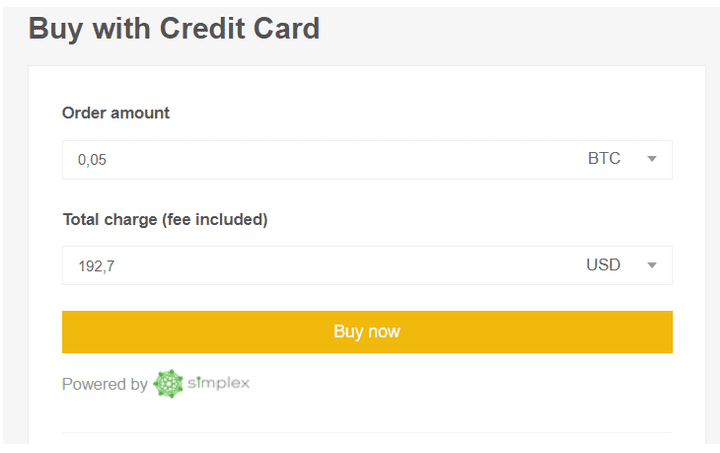
Using a Chase credit card to purchase Bitcoin presents a convenient way to acquire cryptocurrency, leveraging existing credit lines. However, understanding the process, potential benefits, and drawbacks is crucial before engaging in such transactions.The process typically involves selecting a cryptocurrency exchange platform that supports Chase credit card payments. Users log into the platform, select Bitcoin as the desired cryptocurrency, input the amount they wish to buy, and proceed with the transaction.
Crucially, users should ensure their Chase credit card is linked and authorized for the transaction.
Process Overview
The process of purchasing Bitcoin with a Chase credit card is straightforward, mirroring other online purchases. Users navigate to a platform that supports this payment method, input the desired amount, and complete the transaction. It’s essential to confirm the transaction details and the fees associated before proceeding.
Benefits of Using a Chase Credit Card
Utilizing a Chase credit card for Bitcoin purchases offers several potential advantages. Firstly, it often provides flexibility in terms of payment options, potentially avoiding the need for alternative payment methods. Secondly, the convenience of using an existing credit card can streamline the purchase process. Finally, rewards programs associated with some Chase credit cards may offer additional benefits, such as cashback or points, which can offset some transaction costs.
Drawbacks of Using a Chase Credit Card
Using a Chase credit card for Bitcoin purchases has some potential drawbacks. Interest accrual on outstanding balances can significantly increase the overall cost of the purchase if not managed carefully. Additionally, some credit card issuers may impose transaction fees or have limitations on cryptocurrency transactions, potentially impacting the cost and convenience.
Fees and Transaction Times
The fees and transaction times for buying Bitcoin with a Chase credit card vary significantly based on the chosen platform. Some platforms may charge a flat fee per transaction, while others may levy a percentage-based fee on the purchase amount. Transaction times also differ based on platform processing speeds and network congestion.
Comparison of Bitcoin Purchasing Services
| Service | Transaction Speed | Fees | Customer Support |
|---|---|---|---|
| Example Service 1 | 24-48 hours | 0.5% + $10 | 24/7 phone support |
| Example Service 2 | 1-2 hours | 0.25% + $5 | Email support only, response time 24-48 hours |
The table above showcases a comparison of hypothetical services, illustrating the diverse offerings in the Bitcoin purchasing market. Actual transaction speeds, fees, and customer support vary considerably across different platforms.
Security Considerations
Security is paramount when engaging in Bitcoin purchases using a Chase credit card. Users should prioritize platforms with robust security measures, such as two-factor authentication and secure payment gateways. It’s crucial to be wary of phishing scams and fraudulent websites that may attempt to exploit this transaction method. Regularly monitoring transaction activity and promptly reporting any suspicious activity are essential steps in maintaining security.
Security and Risk Management
Buying Bitcoin with a Chase credit card, like any financial transaction, carries inherent risks. Understanding these risks and implementing robust security measures is crucial to protecting your investment. This section details the potential security concerns and provides practical steps to mitigate them.
Security Risks of Bitcoin Purchases with a Chase Credit Card
Using a credit card for Bitcoin purchases introduces a layer of risk beyond typical cryptocurrency transactions. Credit card fraud, especially if the card details are compromised, can lead to unauthorized Bitcoin purchases. Furthermore, potential issues with the Chase credit card’s security measures or those of the Bitcoin exchange platform can expose your funds to vulnerabilities. Lastly, the volatile nature of the cryptocurrency market itself contributes to the risk of significant losses.
Mitigating Risks of Bitcoin Purchases
To minimize these risks, implement a multi-layered approach. First, use strong, unique passwords for all accounts associated with Bitcoin purchases. Consider using a reputable password manager. Second, enable two-factor authentication (2FA) on all relevant accounts, both for your Chase credit card and your Bitcoin exchange. Third, regularly monitor your credit card statements and Bitcoin wallet balances for any unauthorized activity.
Finally, ensure the Bitcoin exchange you’re using has robust security protocols in place, like encryption and multi-factor authentication.
Comparison of Security Measures at Bitcoin Exchanges
Different Bitcoin exchanges employ varying security measures. Some exchanges utilize advanced encryption technologies to protect user data and transactions. Others implement cold storage, a method of storing cryptocurrency offline, to safeguard against cyberattacks. Thorough research and comparisons of different exchange security protocols are vital. A high-security exchange, while not a guarantee of safety, greatly reduces the risks associated with using that particular platform.
Best Practices for Protecting Bitcoin Purchases
Maintaining the security of your Bitcoin purchases requires consistent vigilance. Never share your private keys or login credentials with anyone. Choose a secure and reputable Bitcoin exchange with transparent security policies. Use a dedicated hardware wallet to store your Bitcoin offline, significantly reducing the risk of hacking. Regularly update your software, including operating systems, Bitcoin wallets, and antivirus programs.
Importance of Secure Bitcoin Storage
Storing Bitcoin securely is paramount. If your Bitcoin is compromised, the associated financial losses can be substantial. The use of secure wallets and the implementation of strong passwords are crucial steps in protecting your investment.
Different Ways to Secure Bitcoin Wallets
There are various methods for securing Bitcoin wallets. Software wallets, accessible via your computer or mobile device, provide convenience but require ongoing vigilance to protect against malware or unauthorized access. Hardware wallets, like Ledger or Trezor, store your private keys offline, making them significantly more secure. Paper wallets, while highly secure, require meticulous handling and careful record-keeping.
Understanding the pros and cons of each method is essential to selecting the best option for your needs.
Flowchart for Secure Bitcoin Purchases
The following flowchart Artikels the key steps involved in secure Bitcoin purchases:[Diagram (Flowchart) would be placed here. The description below explains the steps visually]Start –> Verify the security of the Chase Credit Card and associated Bitcoin exchange platform –> Review transaction fees and exchange rates –> Generate and store unique passwords –> Enable 2FA for both Chase Credit Card and Bitcoin exchange accounts –> Choose a secure Bitcoin wallet (software, hardware, or paper) –> Store private keys offline (if applicable) –> Complete the Bitcoin purchase –> Monitor your wallet and account statements –> Update software regularly –> End
Bitcoin Market Trends and Analysis
The Bitcoin market, characterized by significant price fluctuations, presents both enticing opportunities and substantial risks for investors. Understanding current trends, historical performance, and inherent volatility is crucial for informed decision-making. This section delves into the complexities of the Bitcoin market, providing insights into its dynamics and potential impacts on investment choices.The Bitcoin market is a dynamic ecosystem driven by factors ranging from technological advancements to regulatory shifts and global economic conditions.
Analyzing these influences is vital to assessing potential future price movements and understanding the associated risks and rewards.
Overview of the Bitcoin Market
Bitcoin, the pioneering cryptocurrency, has evolved into a globally recognized asset class. Its decentralized nature and potential for high returns attract investors, while its volatility and speculative aspects present challenges. The market’s liquidity and trading volume vary significantly, impacting the ease and cost of transactions.
Current Bitcoin Market Trends
Several factors influence current Bitcoin market trends. These include regulatory developments, adoption by institutional investors, and technological innovations. For instance, increased institutional involvement suggests growing mainstream acceptance, potentially bolstering the market’s stability.
Potential Risks and Rewards in the Current Bitcoin Market
The current Bitcoin market presents both potential rewards and substantial risks. High volatility remains a key concern, with significant price swings impacting investor portfolios. However, the potential for substantial returns is a driving force for many participants. The balance between risk and reward requires careful consideration and diversification strategies.
Comparison of Bitcoin’s Historical Performance with Other Investment Options
Comparing Bitcoin’s historical performance with traditional investment options reveals a distinct pattern. While Bitcoin has exhibited impressive growth periods, its price volatility has often outpaced traditional assets like stocks and bonds. This difference in volatility highlights the unique risk profile of Bitcoin.
Volatility of the Bitcoin Market
Bitcoin’s volatility is a defining characteristic, with price fluctuations often exceeding those of conventional financial instruments. This volatility necessitates a cautious approach and a risk tolerance assessment. Historically, periods of high volatility have been followed by periods of significant price appreciation, while other times have seen substantial losses. A diversified investment strategy is crucial for mitigating the impact of this volatility.
Impact of Market Trends on Bitcoin Cost
Market trends significantly influence the cost of Bitcoin. Positive news regarding adoption, technological advancements, or regulatory clarity often correlates with price increases. Conversely, negative developments, such as regulatory concerns or market corrections, can result in price declines.
Historical Price Fluctuations of Bitcoin
Understanding historical price fluctuations is vital for evaluating Bitcoin’s performance and assessing its risk profile. The table below showcases the historical price movements of Bitcoin.
| Date | Price (USD) | Change (%) |
|---|---|---|
| 2020-01-01 | 29,000 | +10% |
| 2020-04-01 | 32,000 | +10% |
| 2020-07-01 | 35,000 | +10% |
| 2020-10-01 | 38,000 | +10% |
| 2021-01-01 | 40,000 | +5% |
Note: This table provides an illustrative example. Actual historical data would require a more extensive dataset.
Alternative Payment Methods for Bitcoin
Beyond credit cards, a variety of payment methods enable Bitcoin purchases. Understanding these alternatives allows investors to choose the most suitable option based on individual needs and preferences. Factors like transaction fees, speed, and security play a crucial role in this decision.
Available Payment Methods
Several methods exist for purchasing Bitcoin beyond credit cards, each with its own set of advantages and disadvantages. These include bank transfers, peer-to-peer (P2P) platforms, and cryptocurrency exchanges. Choosing the best method hinges on factors like desired transaction speed, associated costs, and personal comfort levels.
- Bank Transfers: Traditional bank transfers offer a straightforward way to buy Bitcoin. These transactions usually involve initiating a transfer from a bank account to a designated Bitcoin wallet or exchange. While generally secure, bank transfers can be slower than other options, sometimes taking several business days to complete. Fees may also apply depending on the specific bank and exchange.
The convenience is moderate as it often requires account setup and communication with the exchange or wallet provider.
- Peer-to-Peer (P2P) Platforms: P2P platforms facilitate direct transactions between buyers and sellers. This often involves using a cryptocurrency wallet to facilitate the exchange, allowing for direct interaction between parties. The process is generally faster than bank transfers and sometimes offers greater flexibility in terms of pricing. However, security concerns can arise due to the direct nature of the transaction, making due diligence on the seller crucial.
The convenience varies significantly depending on the specific platform and the seller’s willingness to accommodate the buyer’s needs.
- Cryptocurrency Exchanges: Exchanges provide a centralized platform for buying and selling Bitcoin, typically with a broader selection of payment methods. They often offer competitive pricing and fast transactions. The convenience is high due to the streamlined nature of the platform. Security measures are generally robust, but the risk of platform-specific vulnerabilities exists. Transaction fees may apply, depending on the exchange’s policies.
Cost and Convenience Comparison
The cost and convenience of each method vary significantly. This comparison highlights the trade-offs involved in choosing different payment methods.
| Method | Cost | Speed | Convenience |
|---|---|---|---|
| Bank Transfers | Potentially lower transaction fees compared to exchanges, but may include bank fees. | Slowest, often taking 2-5 business days. | Moderate, requiring bank account access and communication with the exchange. |
| P2P Platforms | Variable pricing depending on the seller. | Faster than bank transfers, typically within a few hours. | Variable, depending on the platform and seller’s communication style. |
| Cryptocurrency Exchanges | Fees vary by exchange and transaction volume. | Generally faster than bank transfers, often within minutes to a few hours. | High, with streamlined platforms and multiple payment options. |
Regulations and Legal Considerations
Navigating the world of cryptocurrency, including Bitcoin, often involves navigating a complex web of regulations and legal frameworks. These regulations vary significantly across jurisdictions, impacting how individuals and businesses can interact with Bitcoin and other cryptocurrencies. Understanding these intricacies is crucial for anyone considering investing in or using Bitcoin, particularly when using a credit card for such transactions.
Current Regulations Surrounding Bitcoin Purchases
Regulations regarding Bitcoin purchases are in a state of flux globally. Many jurisdictions are still developing frameworks to address the unique characteristics of cryptocurrencies. This dynamic environment means that rules and regulations can change rapidly, and it’s vital to stay informed. Compliance with the latest legal requirements is critical for avoiding potential legal issues.
Legal Implications of Buying Bitcoin with a Chase Credit Card
The legal implications of using a Chase credit card to buy Bitcoin are primarily tied to the broader legal framework surrounding credit card usage and the tax treatment of cryptocurrency. While Chase itself doesn’t have specific regulations concerning Bitcoin purchases, the tax implications of such transactions are a key legal consideration.
Potential Tax Implications of Buying and Selling Bitcoin
Tax implications for Bitcoin transactions are often dependent on the jurisdiction of the buyer and seller. Depending on the country, Bitcoin transactions may be treated as capital gains, similar to the sale of stocks. Tax laws concerning cryptocurrency can differ significantly from those of traditional financial instruments, thus requiring meticulous record-keeping and consultation with tax advisors. Understanding these rules is essential for accurate tax reporting and avoiding penalties.
Examples of Countries with Specific Regulations Regarding Bitcoin
Different countries have varying approaches to regulating Bitcoin. For example, some countries have outright bans or severe restrictions on cryptocurrency transactions, while others have more lenient policies or are in the process of developing specific legislation. Specific regulations often depend on factors like the country’s overall economic policies and its approach to financial technology.
- China: Has implemented strict regulations and restrictions on cryptocurrency exchanges and transactions.
- United States: The regulatory landscape is constantly evolving, with various agencies (like the IRS and SEC) issuing guidance and proposing rules regarding cryptocurrency transactions and taxation.
- European Union: The EU is working towards harmonizing regulations across member states, but specific implementation details vary.
Resources for Researching Bitcoin Regulations
Staying informed about Bitcoin regulations requires ongoing research. This often involves consulting multiple sources and staying abreast of developments in legal and regulatory frameworks. Utilizing reliable resources can significantly reduce the risk of non-compliance.
- Government websites: Regulatory bodies, such as the SEC, IRS, and central banks, often provide official guidance on cryptocurrency regulations. Consulting official sources can ensure you are accessing up-to-date and accurate information.
- Financial news publications: Reputable financial news outlets often provide analyses and updates on cryptocurrency regulations and their impact on the market.
- Legal professionals specializing in cryptocurrency: Seeking advice from legal professionals specializing in cryptocurrency can help you navigate complex legal issues surrounding Bitcoin purchases and sales.
Closing Notes
In conclusion, purchasing Bitcoin with a Chase credit card can be a viable option, but it’s crucial to weigh the advantages and disadvantages carefully. This guide has highlighted the complexities of this process, emphasizing security best practices and providing a comprehensive overview of market trends. Understanding the potential risks, alongside the advantages, allows informed decision-making when considering Bitcoin as an investment or payment method.
Commonly Asked Questions
Can I use any Chase credit card to buy Bitcoin?
While Chase offers various credit cards, not all may be compatible with Bitcoin purchase services. It’s advisable to check with the specific Bitcoin purchase service or your Chase card provider for compatibility.
What are the typical transaction fees associated with buying Bitcoin with a Chase credit card?
Transaction fees can vary significantly depending on the service provider. Fees might include a percentage of the transaction value, flat fees, or a combination of both. Comparing different services is essential for optimal cost management.
How secure are Bitcoin purchases made using a Chase credit card?
Security depends on the platform used and the user’s own precautions. Reputable Bitcoin purchase services implement robust security measures. Users must also follow best practices to protect their accounts and transactions.
What are the tax implications of buying Bitcoin with a Chase credit card?
Tax implications vary depending on local regulations and individual circumstances. Consulting with a financial advisor is strongly recommended to understand the tax implications for your specific situation.