May 29, 2026

bitcoin purchase

Unlocking the digital gold rush, buying Bitcoin with PayPal offers a convenient path for newcomers and seasoned crypto enthusiasts alike. This guide dives deep into the process, exploring the various platforms, security considerations, and alternative payment methods to help you navigate the exciting world of cryptocurrency transactions.

From understanding the fundamentals of Bitcoin and PayPal to comparing different transaction methods, this comprehensive resource will equip you with the knowledge and confidence to make informed decisions when purchasing Bitcoin using PayPal. We’ll also delve into the security precautions you need to take and the potential risks involved.

Introduction to Bitcoin and PayPal Transactions

Bitcoin is a decentralized digital currency, operating independently of central banks and financial institutions. It relies on cryptography for security and peer-to-peer transactions, eliminating intermediaries. This unique structure allows for faster and potentially cheaper transactions compared to traditional banking systems. PayPal, on the other hand, is a widely used online payment platform that facilitates transactions between individuals and businesses.

Understanding how these two systems work and their respective advantages and disadvantages is crucial when considering buying Bitcoin with PayPal.

Bitcoin Overview

Bitcoin’s decentralized nature stems from its use of blockchain technology. Transactions are recorded on a public ledger, secured by cryptographic hashes, making them transparent and virtually tamper-proof. This distributed ledger system ensures that no single entity controls the currency. Bitcoin’s transaction verification process, often referred to as “mining,” involves solving complex mathematical problems by computers known as miners, who are rewarded with newly created Bitcoin.

PayPal Overview

PayPal is a global online payment platform, connecting buyers and sellers across the internet. It allows for secure and convenient online transactions, providing a centralized system for handling payments. PayPal’s infrastructure is established and regulated, ensuring user security and protection. It facilitates a variety of transactions, from online shopping to peer-to-peer payments.

Bitcoin Benefits

  • Reduced transaction fees compared to traditional banking systems in some cases.
  • Increased transaction speed in certain situations, often faster than traditional bank transfers.
  • Decentralized and less susceptible to government or financial institution control.
  • Enhanced privacy for users, though the blockchain’s transparency can also be considered a drawback depending on the situation.

Bitcoin Drawbacks

  • Volatility in the Bitcoin market. Its price can fluctuate significantly, making it a potentially risky investment.
  • Complexity of the technology, which can make it challenging for some users to understand and utilize Bitcoin transactions.
  • Potential security risks if not used with caution.
  • Regulation varies from country to country, creating a dynamic regulatory environment for Bitcoin.

PayPal Benefits

  • Widely accepted and readily used for online transactions, particularly in e-commerce.
  • Enhanced security measures and buyer/seller protection features, including dispute resolution processes.
  • User-friendly interface for facilitating transactions and tracking activity.
  • Strong brand recognition and established reputation.

PayPal Drawbacks

  • Transaction fees can be applied depending on the transaction type.
  • Centralized platform with a potential for regulatory oversight and control.
  • Limited control over funds in certain situations, compared to direct bank transfers.
  • Potential for transaction delays due to system issues or network congestion.

Bitcoin vs. PayPal Comparison

Feature Bitcoin PayPal
Transaction Speed Variable, often faster than bank transfers Variable, typically faster than traditional methods
Transaction Fees Potentially lower, but not always Potentially higher, depending on the transaction
Security Decentralized, secure through cryptography Centralized, with established security measures
Regulation Dynamic and varying across jurisdictions More regulated, with established compliance
User-Friendliness Can be more complex for some users Generally user-friendly interface

Methods for Buying Bitcoin with PayPal

Purchasing Bitcoin using PayPal offers a convenient way to access the cryptocurrency market. This method bridges the gap between traditional payment systems and the digital world of cryptocurrencies, enabling users to buy Bitcoin with the familiar ease of their PayPal accounts. However, the process isn’t entirely seamless, and understanding the various methods and associated factors is crucial for a smooth transaction.

Common Methods for Bitcoin Purchases

Several platforms facilitate Bitcoin purchases using PayPal. These platforms often employ different procedures and policies, affecting transaction fees and security. A common approach involves using a cryptocurrency exchange that supports both Bitcoin and PayPal. Another strategy involves using a dedicated Bitcoin-buying service that accepts PayPal.

Reliable and Secure Platforms

Choosing a trustworthy platform is paramount for a secure Bitcoin purchase. Reputable exchanges known for their robust security measures and user-friendly interfaces are crucial for a positive experience. These platforms typically employ advanced security protocols to protect user funds and transactions. Furthermore, platforms with strong regulatory compliance and a proven track record of reliability are preferred choices.

Examples include established cryptocurrency exchanges with extensive user bases and positive reviews.

Transaction Fees

Transaction fees vary across different platforms. Fees can include platform fees, network fees (Bitcoin transaction fees), and sometimes PayPal processing fees. The amount of these fees can depend on the transaction volume and specific exchange or service policies. For instance, a higher transaction volume might result in slightly lower per-unit fees. Generally, lower fees are associated with larger, established platforms.

Verification Processes

Verification procedures are essential for ensuring the security and legitimacy of transactions. These processes are usually designed to prevent fraudulent activities. Typically, platforms require verification through ID and address confirmation, similar to traditional financial transactions. The specific requirements may vary by platform and jurisdiction, so reviewing platform guidelines is crucial.

Step-by-Step Procedure (Example): Using a Cryptocurrency Exchange

Step Action
1 Open a cryptocurrency exchange account that supports PayPal. Research and select a reputable platform with positive user reviews.
2 Verify your account according to the exchange’s guidelines, which often involves providing identity and address verification.
3 Fund your account with your PayPal balance. Navigate to the funds section and select PayPal as the deposit method.
4 Once your account has sufficient funds, locate the Bitcoin trading section. Select the Bitcoin/PayPal option.
5 Enter the desired amount of Bitcoin you wish to purchase. Review the displayed transaction details, including fees.
6 Confirm the transaction through the exchange platform. You will typically receive confirmation and the Bitcoin will be credited to your account.

Platforms and Services for Bitcoin Purchases

Several reputable platforms facilitate Bitcoin purchases using PayPal, offering varying levels of convenience, security, and customer support. Understanding the features and security measures of these platforms is crucial for a smooth and secure transaction process. Choosing the right platform ensures a positive experience and minimizes potential risks.

Popular Platforms for Bitcoin Purchases with PayPal

Numerous platforms facilitate Bitcoin purchases using PayPal. Each platform boasts distinct features, security protocols, and customer support systems. Careful consideration of these factors can lead to a more secure and user-friendly experience.

  • Coinbase: A widely recognized platform for buying and selling various cryptocurrencies. Coinbase offers a user-friendly interface and robust security measures, including two-factor authentication. Their customer support channels are generally well-regarded.
  • Kraken: Known for its advanced trading features, Kraken provides a platform for more experienced cryptocurrency traders. It offers a wider selection of cryptocurrencies beyond Bitcoin and often attracts users who need sophisticated trading tools. Kraken employs multiple security measures, including cold storage and advanced fraud detection systems.
  • Gemini: A popular exchange platform offering a user-friendly experience for buying and selling cryptocurrencies, including Bitcoin. Gemini is known for its strong security measures, with a focus on user protection. They also offer a robust customer support system.
  • Bitstamp: A European-based exchange, Bitstamp provides a platform for trading Bitcoin and other cryptocurrencies. While Bitstamp may have slightly higher fees compared to other exchanges, it is known for its strong security and user-friendly interface. They typically provide support through various channels, including email and live chat.

Comparison of Platform Features

Comparing platforms based on their features, security, and customer support allows users to make informed decisions.

Platform Features Security Customer Support
Coinbase User-friendly interface, robust security, wide range of cryptocurrencies. Two-factor authentication, advanced security protocols. Generally well-regarded support channels.
Kraken Advanced trading features, diverse selection of cryptocurrencies. Cold storage, fraud detection systems. Multiple support channels, potentially longer response times.
Gemini User-friendly interface, strong security focus, customer protection. Advanced security measures, dedicated security team. Reliable customer support.
Bitstamp European-based exchange, user-friendly interface. Strong security protocols, possibly higher fees. Various support channels, potentially longer response times.

Security Considerations and Risks

Buying Bitcoin with PayPal, while convenient, introduces security risks. Users need to be aware of potential scams and fraudulent activities, and understand the importance of secure practices to protect their funds and personal information. This section details common security concerns and provides actionable steps to mitigate these risks.Bitcoin transactions, by their nature, involve decentralized systems and limited regulatory oversight, making them susceptible to various security threats.

When coupled with the ease of use of PayPal, the potential for scams and fraud increases, highlighting the crucial role of user vigilance and informed decision-making.

Security Risks of Bitcoin Transactions

Bitcoin transactions, while generally secure, carry inherent risks. These risks are amplified when using a payment intermediary like PayPal. Common risks include unauthorized access to wallets, phishing attacks, and fraudulent exchanges. Security risks are not limited to Bitcoin, they can also impact other cryptocurrencies.

Common Scams and Fraudulent Activities

Several scams target users engaging in Bitcoin and PayPal transactions. Phishing emails and websites posing as legitimate platforms are common. These often attempt to steal login credentials or payment information. Fake Bitcoin exchanges and investment schemes are also prevalent, promising high returns but ultimately leading to financial loss. Users should verify the legitimacy of any platform or individual before sharing personal information or transferring funds.

Another risk is counterfeit cryptocurrencies or fake exchanges.

Importance of Secure Wallets and Password Management

Secure wallets and strong passwords are fundamental to protecting Bitcoin holdings. Users should utilize reputable, well-reviewed wallets known for their security features. These wallets should have multi-factor authentication (MFA) enabled. Choosing strong, unique passwords for all accounts is crucial. Consider using a password manager for secure and organized password storage.

A strong password is one that is complex, long, and unique. Never reuse passwords across different accounts.

Protecting Personal Information During Transactions

Protecting personal information during Bitcoin and PayPal transactions is paramount. Users should avoid sharing sensitive data like bank account details or social security numbers in unrelated transactions. Verify the legitimacy of websites and platforms before entering any information. Avoid clicking on suspicious links or downloading files from untrusted sources. Review all transaction details carefully before confirming any payment.

Security Tips for Users

  • Verify the legitimacy of platforms and individuals: Research platforms and exchanges thoroughly to ensure their authenticity before engaging in any transactions.
  • Use strong, unique passwords: Create complex passwords and utilize a password manager to enhance security. Avoid reusing passwords across different accounts.
  • Enable two-factor authentication (2FA): Implement 2FA wherever possible to add an extra layer of security to your accounts.
  • Be cautious of phishing attempts: Exercise caution when receiving emails or messages requesting sensitive information. Verify the sender’s identity before responding.
  • Monitor your accounts regularly: Actively monitor your Bitcoin and PayPal accounts for any suspicious activity.
  • Avoid clicking on unknown links: Do not click on links from unknown sources, as these may lead to phishing websites.
  • Use reputable and well-reviewed wallets: Choose wallets with a strong reputation and robust security features.
  • Report suspicious activity immediately: If you encounter any suspicious activity, report it to the relevant authorities and platform administrators immediately.
  • Do not disclose personal information: Avoid sharing sensitive information like bank account details or social security numbers in unrelated transactions.

Alternatives to PayPal for Buying Bitcoin

Beyond PayPal, a range of payment methods facilitate Bitcoin purchases. Understanding these alternatives allows users to choose the option best suited to their individual needs and preferences, considering factors like transaction speed, fees, and security.While PayPal offers convenience for many, other methods may offer advantages in specific scenarios. This section explores these alternatives, outlining their pros and cons, and providing examples of popular options.

Alternative Payment Methods

Several methods besides PayPal can be used to acquire Bitcoin. These options cater to diverse preferences and needs, from instant transactions to those prioritizing lower fees. Understanding the nuances of each method is key to selecting the most suitable one for a given transaction.

  • Credit/Debit Cards: Directly linking credit or debit cards to Bitcoin exchange platforms allows for quick purchases. However, fees can vary, and transaction speed is generally comparable to using PayPal. Security measures are in place to protect user data, but users should still exercise caution.
  • Bank Transfers: Wire transfers, often facilitated by bank-to-bank transfers or international money transfer services, are suitable for larger Bitcoin purchases. They offer potentially lower transaction fees than credit/debit cards but involve longer processing times, typically ranging from several hours to several days. Security measures are implemented by the institutions involved, but user diligence in verifying the recipient’s identity is vital.

  • Cryptocurrency Exchanges: Direct exchanges between cryptocurrencies allow for instant and potentially low-fee transactions. The specific method may vary depending on the exchange platform used. Users must ensure the platform is reputable and has appropriate security measures in place. This can be a faster option than traditional banking methods for certain cryptocurrency transactions.
  • Prepaid Cards: Prepaid cards, loaded with funds, offer a level of anonymity compared to using credit or debit cards. They are often linked to a particular Bitcoin exchange, and fees and transaction times are usually comparable to those of credit/debit cards. The level of security depends on the prepaid card provider.

Comparison of Transaction Speed and Fees

The speed and cost of transactions vary significantly across these alternatives. Analyzing these factors is crucial for users to select the optimal payment method for their specific circumstances.

Payment Method Transaction Speed Typical Fees
Credit/Debit Cards Instant to a few minutes Variable, often including platform and card network fees
Bank Transfers Several hours to several days Typically lower than credit/debit cards but can vary
Cryptocurrency Exchanges Instant to a few minutes Potentially low, but can vary based on platform and exchange rates
Prepaid Cards Instant to a few minutes Variable, often including platform and card network fees

Examples of Popular Alternatives

Several platforms and services offer alternative payment methods for Bitcoin purchases. These options often cater to specific user needs and preferences.

  • Coinbase: A popular cryptocurrency exchange platform that allows users to buy and sell Bitcoin using various payment methods, including credit/debit cards and bank transfers. Their security measures and user experience are well-regarded.
  • Kraken: A cryptocurrency exchange platform that provides users with a diverse range of payment options. It’s known for its security and user-friendly interface. It offers competitive fees and supports various cryptocurrencies, not just Bitcoin.
  • LocalBitcoins: A peer-to-peer Bitcoin marketplace where users can buy and sell Bitcoin directly with other individuals. It allows for flexibility in payment methods, but users should exercise caution and verify the identity of their trading partners.

Buying Bitcoin – General Information

Acquiring Bitcoin involves more than just selecting a platform. Understanding the process, available methods, and associated risks is crucial for making informed decisions. This section provides a comprehensive overview of the various aspects involved in buying Bitcoin, encompassing a range of approaches beyond PayPal.Bitcoin, as a digital asset, is acquired through various channels, each with its own set of characteristics and implications.

Choosing the right method hinges on factors like transaction fees, speed, security, and the buyer’s familiarity with the process. This overview highlights these considerations and the necessity of thorough research.

Methods of Acquiring Bitcoin

Different platforms and services facilitate Bitcoin purchases, each with its own strengths and weaknesses. Understanding these methods is essential for navigating the digital asset landscape.

  • Cryptocurrency Exchanges: These platforms typically offer a wide array of cryptocurrencies, including Bitcoin. Users can buy Bitcoin with fiat currency (like USD or EUR) directly on the exchange. Examples include Coinbase, Kraken, and Binance.
  • Peer-to-Peer (P2P) Platforms: These platforms connect buyers and sellers directly, allowing for transactions outside of centralized exchanges. This can offer flexibility in terms of pricing and potentially lower fees compared to exchanges. However, security and verification procedures vary widely between platforms.
  • Brokerage Platforms: Some brokerage firms now allow investors to buy and sell cryptocurrencies alongside traditional assets. This integration can provide a convenient one-stop shop for managing both traditional and digital assets, but the level of support and features may differ from dedicated cryptocurrency exchanges.
  • Specialized Bitcoin ATMs: These ATMs allow users to buy Bitcoin directly with cash. They are often found in public locations and provide a fast, albeit potentially less secure, way to acquire Bitcoin. However, transaction fees can be significant.

Factors to Consider When Choosing a Method

Several factors need consideration when selecting a Bitcoin acquisition method. A thorough evaluation is essential for minimizing risks and maximizing potential gains.

  • Transaction Fees: Fees vary widely across platforms. Exchanges often have lower fees compared to P2P platforms. Compare fees across platforms to find the most economical option.
  • Security Measures: The security protocols implemented by each platform are crucial. Platforms with robust security measures, such as two-factor authentication and secure storage, should be prioritized.
  • Ease of Use: Some platforms are more user-friendly than others. Assess the platform’s user interface and available support resources to ensure a smooth transaction process.
  • Transaction Speed: The time it takes to complete a transaction varies. Platforms with faster transaction speeds may be more desirable for immediate use of the acquired Bitcoin.

Risks Involved in Buying Bitcoin

Investing in Bitcoin, like any investment, carries inherent risks. Understanding these risks is vital to mitigating potential losses.

  • Market Volatility: Bitcoin prices are notoriously volatile. Significant price fluctuations can lead to substantial gains or losses. Investors should be prepared for price swings and understand the inherent risks associated with such fluctuations.
  • Security Breaches: Cryptocurrency exchanges and platforms are susceptible to security breaches. Always be mindful of the security measures implemented by the platform you choose. Loss of funds due to hacking or fraud is a real possibility.
  • Regulatory Uncertainty: The regulatory landscape surrounding cryptocurrencies is evolving. Changes in regulations can impact the availability and usability of platforms or the legal status of Bitcoin itself.
  • Scams and Fraud: Be wary of fraudulent platforms or schemes promising unrealistic returns. Conduct thorough research and stick to reputable platforms.

Importance of Research

Thorough research is paramount before making any Bitcoin purchase. Diligence and due diligence are crucial to making informed decisions and mitigating potential risks.

  • Platform Reviews: Seek out reviews and analyses of various platforms. Read reviews from other users to gauge their experiences and identify potential issues.
  • Security Audits: Look for platforms with transparent security audits and reports. These reports can provide insight into the platform’s security measures and their effectiveness.
  • Legal Compliance: Understand the legal implications of buying Bitcoin in your jurisdiction. Consult with financial advisors or legal professionals if needed.

Illustrative Examples of Transactions

Purchasing Bitcoin with PayPal involves a series of steps and potential scenarios. Understanding these scenarios, from simple transactions to potential fraudulent activities, is crucial for navigating the process safely. This section provides hypothetical examples to illustrate these various possibilities.

Hypothetical Scenario: A User Buying Bitcoin with PayPal

A user, Sarah, wants to acquire Bitcoin. She selects a reputable platform known for its PayPal integration. Sarah initiates the transaction on the platform’s website, entering the desired amount of Bitcoin she wishes to purchase. The platform verifies the PayPal transaction, confirming the funds are available. Once the verification is complete, the Bitcoin is credited to Sarah’s designated wallet address.

Fictional Scenario: A Fraudulent Bitcoin and PayPal Transaction Attempt

A user, David, receives an email claiming to be from a legitimate Bitcoin exchange platform. The email contains a link to a seemingly identical website. David enters his PayPal credentials and Bitcoin wallet address on this fraudulent site. The attackers successfully capture his PayPal login information and the Bitcoin wallet address, enabling them to steal the Bitcoin from his account.

This highlights the critical importance of verifying the platform’s authenticity.

Fictional Case Study: A Secure Transaction

Mark uses a reputable Bitcoin exchange known for its security measures and PayPal integration. He reviews the platform’s security protocols, ensuring it uses SSL encryption for secure transactions. Mark completes the Bitcoin purchase through PayPal, and the transaction is confirmed within the expected timeframe. He receives a confirmation email from the platform with the details of his Bitcoin purchase and the corresponding transaction ID.

Scenario: User Facing Issues with a Platform

A user, Emily, attempts to buy Bitcoin using a platform offering PayPal integration. However, the platform’s website encounters technical difficulties during the transaction. The system is unresponsive, and the transaction fails. Emily contacts the platform’s customer support, receiving assistance in troubleshooting the issue. The platform eventually resolves the problem, and Emily is able to complete the purchase.

This demonstrates the importance of choosing a platform with responsive customer support.

User Experience Narrative: Buying Bitcoin with PayPal

“I was hesitant at first, but the platform’s clear instructions and secure interface reassured me. The PayPal integration was seamless; I just followed the prompts, and the transaction went through smoothly. I received a confirmation email almost immediately. The whole process felt safe and efficient. I’m glad I explored this method of purchasing Bitcoin.”

Further Exploration and Resources

Staying informed about Bitcoin and PayPal transactions is crucial for a secure and profitable experience. Reliable resources provide up-to-date information and help you navigate the complexities of this market. Understanding the potential risks and exploring reputable platforms is essential for making informed decisions.

Credible Resources for Bitcoin Information

Reliable sources are essential for understanding the complexities of Bitcoin and related transactions. They provide accurate information and guidance on various aspects, including security protocols, market trends, and regulatory updates. Staying informed through trustworthy sources helps you make sound financial decisions.

  • Bitcoin.org: This official website provides comprehensive information about Bitcoin, including its history, technology, and community. It offers a valuable overview for newcomers and seasoned investors.
  • CoinMarketCap: A leading platform for tracking cryptocurrency market data, CoinMarketCap offers real-time price charts, market capitalization, and other key metrics. This is a great resource for understanding market trends and potential investment opportunities.
  • Investopedia: This financial resource offers in-depth articles and guides on various financial topics, including Bitcoin and cryptocurrency. Investopedia provides clear explanations and analysis for a wider understanding.
  • Nasdaq: This well-known financial marketplace often publishes articles and analyses about the crypto market. Staying updated on these resources provides a broader view of the market and helps to interpret news and events.

Reputable Websites and Communities

Exploring reputable websites and online communities can provide valuable insights and support. These platforms often feature discussions, tutorials, and resources from experienced users and experts. It is important to discern between trustworthy and potentially misleading sources.

  • Reddit’s r/Bitcoin subreddit: A large and active community where users share information, ask questions, and discuss Bitcoin-related topics. It can be a valuable source of information, but users should be cautious about misinformation and scams.
  • CoinGecko: A comprehensive platform providing real-time data on various cryptocurrencies, including detailed information on specific coins, exchanges, and market trends. It offers valuable insights into the crypto ecosystem.
  • BlockFi: A cryptocurrency platform that provides lending and investment services. It offers insights into market trends and analyses, although it’s essential to evaluate the information critically.

Significance of Legitimate Sources

Distinguishing between credible and unreliable sources is critical for making informed decisions. Misinformation can lead to financial losses or compromise your security. Seeking out reputable sources ensures you have accurate and up-to-date information. This helps prevent mistakes and protect your interests.

  • Verifying Information: Always verify information from multiple sources to confirm accuracy and prevent the spread of false information.
  • Evaluating Websites: Scrutinize websites for evidence of bias or potential conflicts of interest. Look for clear author information and transparency.
  • Checking User Reviews: Look for reviews and ratings of websites and platforms to assess user experiences and trustworthiness.

Wrap-Up

In conclusion, buying Bitcoin with PayPal is a viable option for those seeking a streamlined cryptocurrency purchase. This guide has covered various aspects of the process, from the basics of Bitcoin and PayPal to platform comparisons, security considerations, and alternative methods. Remember, thorough research and a proactive approach to security are paramount when entering the digital currency market.

Commonly Asked Questions

What are the typical transaction fees when using PayPal to buy Bitcoin?

Transaction fees vary depending on the platform. Some platforms charge a flat fee, while others may incorporate a percentage-based fee on the transaction amount. Always check the platform’s terms and conditions for the most up-to-date information.

What security measures should I take when using PayPal for Bitcoin purchases?

Employ strong passwords, enable two-factor authentication wherever possible, and be cautious of suspicious links or emails. Never share your login credentials or personal information with anyone who contacts you unsolicited. Prioritize platforms with robust security protocols.

Are there any Bitcoin platforms that offer excellent customer support?

Some platforms offer dedicated customer support channels, like email or live chat, to assist users with issues. Research different platforms to find one that provides the level of support you require.

What are some common scams related to Bitcoin and PayPal?

Common scams include fake platforms promising high returns, phishing emails requesting personal information, and fraudulent promises for quick Bitcoin gains. Always verify the legitimacy of any platform or individual before engaging in transactions.
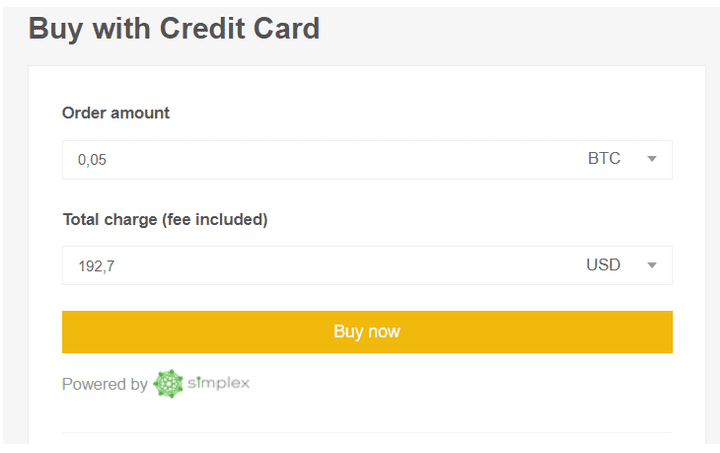
Purchasing Bitcoin using a prepaid credit card is becoming increasingly popular. This guide explores various platforms offering this service, highlighting key factors for a secure and cost-effective transaction. Understanding the different methods and associated risks is crucial for a smooth experience.

We’ll delve into the specifics of different platforms, comparing transaction speeds, fees, and security measures. We’ll also examine alternative methods and consider the legal and regulatory aspects surrounding Bitcoin purchases. Finally, we’ll address common questions and potential risks.

Methods for Purchasing Bitcoin with Prepaid Cards

Purchasing Bitcoin with a prepaid credit card offers a convenient way to acquire the cryptocurrency without linking a traditional bank account. This method is particularly attractive for those seeking a degree of financial privacy or who prefer to manage their funds independently. However, the process isn’t without nuances, and understanding the various platforms and associated fees is crucial for a smooth transaction.Different platforms offer varying approaches to buying Bitcoin with prepaid cards, reflecting the diversity of the cryptocurrency market.

These platforms typically utilize secure payment gateways to process the transactions, ensuring a safe and reliable exchange process. Transaction fees and processing times are key considerations, as these can significantly impact the overall cost and convenience of the purchase.

Bitcoin Exchange Platforms

Several cryptocurrency exchange platforms facilitate Bitcoin purchases using prepaid cards. These platforms typically have user-friendly interfaces and offer a range of payment options. The specific security measures implemented vary between platforms, but they generally employ industry-standard security protocols to safeguard user funds.

Comparison of Bitcoin Purchase Platforms

Platform Transaction Speed Fees Security Measures
Coinbase Generally quick, often within minutes. Variable, often a percentage of the transaction value or a flat fee. Can be influenced by the volume of the transaction. Utilizes multi-factor authentication, robust encryption, and secure cold storage for safeguarding user funds. Coinbase has a strong reputation for security.
Kraken Typically faster than other platforms, with transactions often completing within 15 minutes or less. Usually a percentage of the transaction amount, with varying rates depending on the transaction volume. Known for its advanced security measures, including multi-factor authentication and advanced encryption techniques. Kraken maintains stringent security protocols.
Binance Can be quick, but transaction speed can vary depending on network conditions and transaction volume. Usually a percentage of the transaction value, sometimes with a flat fee. Similar to Coinbase, fees can fluctuate. Binance employs a variety of security measures, including multi-factor authentication and advanced security protocols to protect user funds. The platform is known for its large user base.

Transaction Fees and Processing Times

Transaction fees for purchasing Bitcoin with prepaid cards can vary significantly depending on the platform. Some platforms may impose a percentage-based fee on the transaction amount, while others might charge a fixed flat fee. Processing times also differ across platforms. Some platforms may process transactions instantly, while others may take a few minutes or even hours to complete.

Security Considerations

Security is paramount when purchasing Bitcoin with a prepaid card. Reputable platforms implement robust security measures to protect user funds. These measures often include multi-factor authentication, encryption of sensitive data, and secure storage of funds. Furthermore, platforms may require users to verify their identities to mitigate fraudulent activities. It’s essential to research and choose a platform with a proven track record of security.

Factors to Consider When Choosing a Platform

Selecting the right platform for purchasing Bitcoin with a prepaid card is crucial for a smooth and secure transaction. A poorly chosen platform can lead to lost funds, inflated fees, or even security risks. Carefully evaluating various factors, such as reputation, fees, security, and customer support, is paramount to a positive experience.Choosing a reliable platform minimizes potential issues and ensures a safe and profitable Bitcoin purchase.

This involves assessing the platform’s track record, transaction fees, security measures, and available customer support channels. Transparency and clear communication are key indicators of a trustworthy platform.

Platform Reputation and User Reviews

A platform’s reputation is a critical factor in determining its trustworthiness. Positive user reviews, testimonials, and a strong online presence often suggest a reliable and user-friendly experience. Conversely, numerous negative reviews or a lack of user feedback could indicate potential issues. Scrutinizing reviews across various sources like independent review sites, social media, and forums provides a comprehensive perspective on the platform’s performance.

Investigate any reported scams or controversies associated with the platform.

Transaction Fees and Processing Times

Transaction fees and processing times significantly impact the overall cost of purchasing Bitcoin. Platforms often charge fees for processing the transaction, and these fees can vary considerably. Compare fees across different platforms to identify the most economical option. Also, assess the typical processing time for transactions. Faster processing times are generally preferred, but it’s essential to weigh this against the fees charged.

Platforms with transparent fee structures and predictable processing times are more attractive. For example, a platform with a 0.5% fee and a 24-hour processing time may be more advantageous than one with a 1% fee and a 48-hour processing time, even if the initial fee is lower.

Security Measures and User Protection Policies

Security measures and user protection policies are essential considerations for safeguarding funds and personal information. A robust platform employs multiple layers of security, including encryption, two-factor authentication, and secure payment gateways. Scrutinize the platform’s security protocols and policies. Ensure the platform adheres to industry best practices. Look for platforms that offer insurance or other protection against fraud or loss.

Investigate the platform’s history and track record of security breaches or vulnerabilities. Understanding the platform’s user protection policies is vital for managing risks.

Available Payment Methods and Transaction Impact

Different payment methods on these platforms can affect the overall transaction. Platforms accepting prepaid cards often have associated fees. Check if the platform supports the specific prepaid card type. Compare the fees and transaction processing times associated with different payment methods. Some platforms may offer discounts or rewards programs for specific payment methods.

Consider if the available payment methods align with your needs. The ability to use your preferred payment method can streamline the purchase process.

Platform Customer Support

Evaluating the platform’s customer support is vital for resolving issues and addressing concerns. Look for platforms that offer multiple support channels, such as email, phone, or live chat. The responsiveness and helpfulness of customer support staff can significantly impact your experience. Read customer testimonials or reviews related to customer support. Contact the support team directly to assess their responsiveness and competence.

A platform with responsive and helpful customer support is an asset for resolving potential problems during or after the transaction.

Security and Risk Assessment

Using prepaid cards for Bitcoin purchases introduces specific security considerations. While convenient, this method necessitates a heightened awareness of potential risks. Understanding these risks and implementing proactive security measures are crucial to safeguarding your funds.Prepaid cards, by design, are not inherently tied to traditional banking systems. This detachment can present vulnerabilities when used for crypto purchases. Moreover, the decentralized nature of Bitcoin introduces unique security challenges that are distinct from traditional financial transactions.

Risks Associated with Prepaid Cards

Using prepaid cards for Bitcoin purchases carries several risks. These cards often lack robust security features compared to traditional bank cards, making them potentially more susceptible to fraud. Furthermore, the lack of readily available dispute resolution mechanisms can make recovering lost funds challenging. This is a crucial point to consider when choosing a platform for your purchase.

Importance of Secure Platforms

Utilizing secure and reputable platforms is paramount. Platforms that employ strong encryption and adhere to industry best practices for data security minimize the risk of unauthorized access to your funds. Verify a platform’s security credentials and check for relevant certifications before initiating any transaction. This proactive step safeguards your investment.

Precautions for Bitcoin Purchases with Prepaid Cards

Implementing precautions is critical to mitigate the risks involved. Review the terms and conditions of the prepaid card provider thoroughly to understand any limitations or restrictions. Be vigilant about phishing attempts and suspicious emails or websites that might request your card information. Always scrutinize the platform’s security protocols before entering any sensitive information. This vigilance is essential for maintaining the safety of your funds.

  • Verify Platform Security: Carefully evaluate the platform’s security measures, including encryption protocols and security certifications. Look for features like two-factor authentication, which adds an extra layer of security to your account. Avoid platforms with unclear or inadequate security policies.
  • Strong Passwords: Create strong, unique passwords for your Bitcoin wallet and the platform you’re using. Avoid using easily guessable passwords or repeating passwords across multiple accounts. This is vital to prevent unauthorized access to your funds.
  • Monitor Transactions: Regularly monitor your Bitcoin wallet and transaction history for any suspicious activity. Be alert to unauthorized transactions or unusual activity that might signal a security breach.

Potential for Fraud and Scams

Fraudulent activities targeting prepaid card users are a significant concern. Scammers often create fake platforms or use deceptive tactics to trick users into revealing their card details. Be cautious of unsolicited emails or messages offering unusually high returns on Bitcoin investments. Be skeptical of any platform promising extraordinary gains without reasonable explanation. Thorough verification and caution are essential to avoid falling prey to these scams.

Examples of Common Scams

  • Fake Bitcoin Exchange Platforms: Scammers often set up fake Bitcoin exchange platforms that look legitimate. These platforms are designed to steal your funds. Always research the platform’s reputation and legitimacy before using it.
  • Phishing Emails and Texts: Scammers may send emails or text messages that appear to be from legitimate platforms or companies. These messages often contain links to fraudulent websites designed to steal your prepaid card details. Do not click on suspicious links.
  • “Too-Good-to-Be-True” Offers: Be wary of offers promising high returns on Bitcoin investments. These offers are often fraudulent and designed to entice users into providing their personal information or funds.

Importance of Regular Transaction Monitoring

Regular monitoring of your transactions and account activity is vital. Set up alerts for unusual transactions to promptly detect any fraudulent activity. Review your transactions and keep records of all your Bitcoin purchases and sales. This diligent monitoring helps to ensure the security of your investment.

Alternative Methods for Buying Bitcoin

Beyond prepaid cards, various avenues allow Bitcoin acquisition. These alternative methods cater to diverse financial situations and preferences, each with its own set of advantages and drawbacks. Understanding these options empowers informed decisions when engaging in cryptocurrency transactions.

Alternative Purchasing Methods

Several methods exist for purchasing Bitcoin beyond prepaid cards, each with unique attributes. These include using bank transfers, debit cards, and other digital wallets. Choosing the right method depends on individual needs and circumstances.

  • Bank Transfers: Direct bank transfers to a cryptocurrency exchange are a common approach. This involves initiating a wire transfer from your bank account to the exchange’s designated account. While secure, this method often requires verifying your identity and can be subject to processing fees. The speed of transactions can vary, depending on the bank and the exchange’s internal processing times.

  • Debit Cards: Many cryptocurrency exchanges support purchasing Bitcoin using debit cards. This method offers convenience, allowing for quick transactions. However, transaction fees and potential limitations on the amount purchased might apply. The security of this method hinges on the security of the exchange platform and your card’s protection mechanisms.
  • Other Digital Wallets: Digital wallets, like those provided by cryptocurrency exchanges, facilitate transactions using various methods. These wallets often allow for sending and receiving Bitcoin between users. Depending on the wallet, various payment methods may be integrated, including bank transfers, credit cards, and even other cryptocurrencies.
  • Peer-to-Peer (P2P) Exchanges: These platforms connect buyers and sellers directly. This method often offers flexibility in terms of pricing and transaction terms. However, buyer protection is not as comprehensive as with reputable exchanges. Security is paramount in P2P transactions, and users should take precautions to verify the seller’s legitimacy.

Comparison of Methods

A comparative analysis of these methods reveals crucial distinctions in cost, speed, and security.

Method Pros Cons Security
Bank Transfers Generally secure, often lower fees compared to credit cards. Can be slower than other methods due to bank processing times. Requires a verified account. High, if the exchange is reputable. Verification procedures reduce risk.
Debit Cards Convenient and relatively fast transactions. Transaction fees may be higher compared to bank transfers. Potential limitations on purchase amounts might apply. Medium, reliant on the exchange’s security protocols and the user’s card protection.
Other Digital Wallets Offer flexibility in payment methods and can be used for other cryptocurrency transactions. Security relies on the wallet provider’s reputation and the user’s own security measures. Fees may vary based on the platform. Medium to High, contingent on the platform’s security measures and user vigilance.
P2P Exchanges Potential for lower fees and flexible pricing. Limited buyer protection. Requires thorough verification of the seller. Higher risk of scams. Low, significant risk if not careful. Verify the seller meticulously.

General Information about Buying Bitcoin

Bitcoin, a digital or virtual currency, functions as a peer-to-peer payment system, operating independently of central banks or governments. It utilizes cryptography for security and transaction verification, making it decentralized and accessible globally. This decentralized nature distinguishes it from traditional fiat currencies, which are controlled by central authorities.Understanding Bitcoin’s history and evolution provides context to its current role in the financial landscape.

Bitcoin’s creation was spurred by the desire for a digital currency free from government interference, initially conceptualized as a solution to traditional banking limitations. Its rise and subsequent fluctuations in value have attracted both significant investment and considerable scrutiny.

Bitcoin’s Core Principles

Bitcoin’s design rests on the principles of decentralization and cryptographic security. Transactions are recorded on a public ledger, the blockchain, ensuring transparency and immutability. This decentralized approach eliminates intermediaries, facilitating direct peer-to-peer transactions. Crucially, the cryptographic security ensures that transactions are secure and tamper-proof.

History and Evolution of Bitcoin

Bitcoin’s development can be traced back to the concept of a digital currency independent of central authorities. Its genesis is often attributed to the 2008 publication of a whitepaper detailing the technology behind Bitcoin. Early adopters recognized the potential of this revolutionary technology, leading to its gradual adoption and recognition as a legitimate form of digital currency. Over the years, Bitcoin has experienced periods of substantial price volatility, reflecting its inherent characteristics as a nascent and potentially disruptive technology.

Cryptocurrency and its Characteristics

Cryptocurrencies, like Bitcoin, are digital or virtual currencies designed to operate independently of central banks. They leverage cryptography for security and transaction verification. A defining characteristic is their decentralization, operating outside the control of any single entity. Cryptocurrencies also exhibit volatility, with fluctuating values based on market forces and investor sentiment. The underlying cryptographic protocols and distributed ledger technology underpin the security and transparency of these transactions.

The Process of Buying Bitcoin

Purchasing Bitcoin involves selecting a reputable cryptocurrency exchange or broker. Users typically create an account, fund their account with fiat currency, and then utilize the platform’s interface to buy Bitcoin. The process generally involves verifying the user’s identity, ensuring compliance with applicable regulations. The exchange rate between the fiat currency and Bitcoin is dynamically determined by market forces, affecting the cost of acquisition.

Overview of Bitcoin: Benefits and Drawbacks

Bitcoin offers the potential for global, borderless transactions, facilitating payments without intermediaries. The decentralized nature eliminates reliance on central authorities, a significant attraction for users concerned about government control. However, the volatility of Bitcoin’s value can pose significant risks, with potential for substantial losses. Moreover, the regulatory landscape surrounding Bitcoin is still evolving, creating uncertainty for investors and businesses.

The environmental impact of Bitcoin mining is another critical consideration, prompting ongoing debate and exploration of sustainable alternatives.

Legal and Regulatory Considerations

The legal landscape surrounding Bitcoin is constantly evolving, with different regions adopting varying approaches. Understanding these nuances is crucial for anyone considering purchasing Bitcoin, especially with prepaid cards, to avoid potential legal issues. Navigating the regulatory environment and tax implications is vital for responsible investment.

Legal Status of Bitcoin Globally

Bitcoin’s legal status varies significantly across countries. Some jurisdictions have embraced cryptocurrencies, while others remain cautious or even prohibit their use. This diversity can create complexities for users seeking to purchase Bitcoin with prepaid cards. For instance, countries with stricter regulations might limit the availability of platforms facilitating such transactions. A thorough understanding of local laws is essential before engaging in any Bitcoin purchase.

Regulatory Landscape Surrounding Bitcoin Purchases

Regulations concerning Bitcoin purchases are evolving rapidly. Governments worldwide are grappling with how to regulate digital assets. This includes establishing clear guidelines for exchanges, custodians, and users. This often involves defining the classification of Bitcoin (as currency, security, or commodity), which impacts the regulatory approach.

Relevant Regulations and Guidelines

Numerous regulations and guidelines influence the Bitcoin market. These range from tax laws to financial regulations. Understanding these rules is crucial for navigating the legal complexities. Examples include KYC (Know Your Customer) regulations that mandate the verification of users’ identities and AML (Anti-Money Laundering) guidelines designed to prevent illicit activities.

  • Financial Action Task Force (FATF) Recommendations: The FATF, an intergovernmental organization, sets global standards for combating money laundering and terrorist financing. Compliance with these recommendations is often a requirement for financial institutions operating in the cryptocurrency space.
  • Specific Country Regulations: Each country has its own unique set of regulations. For example, some countries have imposed restrictions on certain exchanges or platforms. This is crucial to know before considering Bitcoin purchases. Some jurisdictions may categorize Bitcoin as a security or commodity, impacting how it is taxed and regulated.

Legal Aspects of Buying Bitcoin with Prepaid Cards

Using prepaid cards to buy Bitcoin might encounter specific legal considerations in various jurisdictions. Platforms facilitating these transactions might be subject to local laws regarding payment processing or financial institutions. In some regions, prepaid cards might not be allowed to be used for crypto purchases.

Tax Implications of Bitcoin Transactions

Bitcoin transactions may have tax implications. The specific tax treatment of Bitcoin varies from country to country, depending on the categorization of Bitcoin (as currency, security, or commodity). In some cases, Bitcoin transactions are taxed as capital gains. For instance, when a user sells Bitcoin for a profit, the profit is often taxed as income. In some jurisdictions, the purchase of Bitcoin with prepaid cards might be subject to a sales tax or other taxes.

Always consult with a tax professional for personalized advice.

Closing Summary

In conclusion, purchasing Bitcoin with a prepaid card offers a convenient alternative to traditional methods. However, careful consideration of platform reputation, fees, and security measures is paramount. Understanding the risks, alternative methods, and legal considerations will empower you to make informed decisions. By comparing various options and prioritizing security, you can navigate the Bitcoin market with confidence.

Questions and Answers

What are the common scams associated with buying Bitcoin?

Be wary of platforms promising extremely low fees or unusually fast transactions. Verify the platform’s legitimacy through independent reviews and check for any suspicious communication methods. Always avoid clicking on links or downloading files from untrusted sources.

What are the tax implications of Bitcoin transactions?

Tax implications vary by jurisdiction. Consult with a tax professional for personalized advice on your region’s regulations regarding cryptocurrency transactions.

What are some reliable platforms for buying Bitcoin with a prepaid card?

Several reputable platforms facilitate Bitcoin purchases with prepaid cards. Research thoroughly and compare different platforms based on factors like transaction fees, security measures, and user reviews.

What are the risks of using prepaid cards to buy Bitcoin?

Prepaid cards, while convenient, may pose risks if used with untrusted platforms. Ensure the platform employs robust security measures and has a proven track record of protecting user funds. Never disclose your prepaid card details or sensitive information to unverified sources.

Bitcoin, a digital currency, has gained significant traction as an investment and payment option. Purchasing Bitcoin with a Chase credit card presents a unique opportunity, but it’s essential to understand the associated risks and rewards. This guide delves into the process, examining the potential benefits, drawbacks, and security considerations involved.

We’ll explore various services that facilitate Bitcoin purchases using Chase credit cards, compare their transaction speeds and fees, and discuss the overall security measures in place. Additionally, a thorough analysis of the Bitcoin market and alternative payment methods will provide a broader perspective. Finally, we’ll touch upon the legal and regulatory landscape surrounding Bitcoin transactions.

Introduction to Bitcoin Purchasing

Bitcoin is a decentralized digital currency, operating independently of central banks and financial institutions. It’s based on blockchain technology, a secure and transparent ledger that records all transactions. This decentralized nature makes it attractive to some as an alternative to traditional financial systems.The process of buying Bitcoin typically involves selecting a Bitcoin exchange platform, verifying your account, depositing funds, and then placing an order to buy Bitcoin.

Different platforms offer varying features and levels of security. Choosing the right platform is crucial for a smooth and secure purchasing experience.

Bitcoin Purchasing Methods

Understanding the diverse methods for acquiring Bitcoin is vital for informed decision-making. Different approaches cater to various preferences and financial situations.

  • Using a bank account or debit/credit card:
  • Directly purchasing Bitcoin with traditional payment methods is a common approach. This usually involves transferring funds from a bank account or using a debit/credit card. However, this can be subject to transaction fees and potentially higher purchase prices, reflecting market conditions and processing costs.

  • Using an existing cryptocurrency wallet:
  • If you already possess cryptocurrency in a compatible wallet, you can exchange these funds for Bitcoin. This approach often involves navigating exchange platforms that facilitate the conversion.

  • Employing peer-to-peer (P2P) platforms:
  • These platforms connect buyers and sellers directly, enabling transactions outside the typical exchange structure. This allows for potentially lower fees, but buyers must exercise caution to ensure the legitimacy of the seller.

Comparison of Bitcoin Exchange Platforms

Choosing the right exchange platform is critical for a secure and efficient Bitcoin purchase. Factors like fees, security measures, and available features should be considered.

Platform Fees Security Features
Coinbase Variable, typically 0.5% – 1.5% High, with multi-factor authentication and robust security measures User-friendly interface, diverse deposit/withdrawal options, educational resources
Kraken Variable, typically 0.1% – 1% High, known for strong security protocols and cold storage Advanced trading tools, a wide range of cryptocurrencies available, 24/7 support
Gemini Variable, typically 0.5% – 1.5% High, with rigorous security procedures and regulatory compliance Excellent security and user experience, intuitive interface, various payment options

Note: Fees and security ratings are approximate and may vary depending on specific transactions and market conditions. Always verify details directly with the platform.

Buying Bitcoin with Chase Credit Card

Using a Chase credit card to purchase Bitcoin presents a convenient way to acquire cryptocurrency, leveraging existing credit lines. However, understanding the process, potential benefits, and drawbacks is crucial before engaging in such transactions.The process typically involves selecting a cryptocurrency exchange platform that supports Chase credit card payments. Users log into the platform, select Bitcoin as the desired cryptocurrency, input the amount they wish to buy, and proceed with the transaction.

Crucially, users should ensure their Chase credit card is linked and authorized for the transaction.

Process Overview

The process of purchasing Bitcoin with a Chase credit card is straightforward, mirroring other online purchases. Users navigate to a platform that supports this payment method, input the desired amount, and complete the transaction. It’s essential to confirm the transaction details and the fees associated before proceeding.

Benefits of Using a Chase Credit Card

Utilizing a Chase credit card for Bitcoin purchases offers several potential advantages. Firstly, it often provides flexibility in terms of payment options, potentially avoiding the need for alternative payment methods. Secondly, the convenience of using an existing credit card can streamline the purchase process. Finally, rewards programs associated with some Chase credit cards may offer additional benefits, such as cashback or points, which can offset some transaction costs.

Drawbacks of Using a Chase Credit Card

Using a Chase credit card for Bitcoin purchases has some potential drawbacks. Interest accrual on outstanding balances can significantly increase the overall cost of the purchase if not managed carefully. Additionally, some credit card issuers may impose transaction fees or have limitations on cryptocurrency transactions, potentially impacting the cost and convenience.

Fees and Transaction Times

The fees and transaction times for buying Bitcoin with a Chase credit card vary significantly based on the chosen platform. Some platforms may charge a flat fee per transaction, while others may levy a percentage-based fee on the purchase amount. Transaction times also differ based on platform processing speeds and network congestion.

Comparison of Bitcoin Purchasing Services

Service Transaction Speed Fees Customer Support
Example Service 1 24-48 hours 0.5% + $10 24/7 phone support
Example Service 2 1-2 hours 0.25% + $5 Email support only, response time 24-48 hours

The table above showcases a comparison of hypothetical services, illustrating the diverse offerings in the Bitcoin purchasing market. Actual transaction speeds, fees, and customer support vary considerably across different platforms.

Security Considerations

Security is paramount when engaging in Bitcoin purchases using a Chase credit card. Users should prioritize platforms with robust security measures, such as two-factor authentication and secure payment gateways. It’s crucial to be wary of phishing scams and fraudulent websites that may attempt to exploit this transaction method. Regularly monitoring transaction activity and promptly reporting any suspicious activity are essential steps in maintaining security.

Security and Risk Management

Buying Bitcoin with a Chase credit card, like any financial transaction, carries inherent risks. Understanding these risks and implementing robust security measures is crucial to protecting your investment. This section details the potential security concerns and provides practical steps to mitigate them.

Security Risks of Bitcoin Purchases with a Chase Credit Card

Using a credit card for Bitcoin purchases introduces a layer of risk beyond typical cryptocurrency transactions. Credit card fraud, especially if the card details are compromised, can lead to unauthorized Bitcoin purchases. Furthermore, potential issues with the Chase credit card’s security measures or those of the Bitcoin exchange platform can expose your funds to vulnerabilities. Lastly, the volatile nature of the cryptocurrency market itself contributes to the risk of significant losses.

Mitigating Risks of Bitcoin Purchases

To minimize these risks, implement a multi-layered approach. First, use strong, unique passwords for all accounts associated with Bitcoin purchases. Consider using a reputable password manager. Second, enable two-factor authentication (2FA) on all relevant accounts, both for your Chase credit card and your Bitcoin exchange. Third, regularly monitor your credit card statements and Bitcoin wallet balances for any unauthorized activity.

Finally, ensure the Bitcoin exchange you’re using has robust security protocols in place, like encryption and multi-factor authentication.

Comparison of Security Measures at Bitcoin Exchanges

Different Bitcoin exchanges employ varying security measures. Some exchanges utilize advanced encryption technologies to protect user data and transactions. Others implement cold storage, a method of storing cryptocurrency offline, to safeguard against cyberattacks. Thorough research and comparisons of different exchange security protocols are vital. A high-security exchange, while not a guarantee of safety, greatly reduces the risks associated with using that particular platform.

Best Practices for Protecting Bitcoin Purchases

Maintaining the security of your Bitcoin purchases requires consistent vigilance. Never share your private keys or login credentials with anyone. Choose a secure and reputable Bitcoin exchange with transparent security policies. Use a dedicated hardware wallet to store your Bitcoin offline, significantly reducing the risk of hacking. Regularly update your software, including operating systems, Bitcoin wallets, and antivirus programs.

Importance of Secure Bitcoin Storage

Storing Bitcoin securely is paramount. If your Bitcoin is compromised, the associated financial losses can be substantial. The use of secure wallets and the implementation of strong passwords are crucial steps in protecting your investment.

Different Ways to Secure Bitcoin Wallets

There are various methods for securing Bitcoin wallets. Software wallets, accessible via your computer or mobile device, provide convenience but require ongoing vigilance to protect against malware or unauthorized access. Hardware wallets, like Ledger or Trezor, store your private keys offline, making them significantly more secure. Paper wallets, while highly secure, require meticulous handling and careful record-keeping.

Understanding the pros and cons of each method is essential to selecting the best option for your needs.

Flowchart for Secure Bitcoin Purchases

The following flowchart Artikels the key steps involved in secure Bitcoin purchases:[Diagram (Flowchart) would be placed here. The description below explains the steps visually]Start –> Verify the security of the Chase Credit Card and associated Bitcoin exchange platform –> Review transaction fees and exchange rates –> Generate and store unique passwords –> Enable 2FA for both Chase Credit Card and Bitcoin exchange accounts –> Choose a secure Bitcoin wallet (software, hardware, or paper) –> Store private keys offline (if applicable) –> Complete the Bitcoin purchase –> Monitor your wallet and account statements –> Update software regularly –> End

Bitcoin Market Trends and Analysis

The Bitcoin market, characterized by significant price fluctuations, presents both enticing opportunities and substantial risks for investors. Understanding current trends, historical performance, and inherent volatility is crucial for informed decision-making. This section delves into the complexities of the Bitcoin market, providing insights into its dynamics and potential impacts on investment choices.The Bitcoin market is a dynamic ecosystem driven by factors ranging from technological advancements to regulatory shifts and global economic conditions.

Analyzing these influences is vital to assessing potential future price movements and understanding the associated risks and rewards.

Overview of the Bitcoin Market

Bitcoin, the pioneering cryptocurrency, has evolved into a globally recognized asset class. Its decentralized nature and potential for high returns attract investors, while its volatility and speculative aspects present challenges. The market’s liquidity and trading volume vary significantly, impacting the ease and cost of transactions.

Current Bitcoin Market Trends

Several factors influence current Bitcoin market trends. These include regulatory developments, adoption by institutional investors, and technological innovations. For instance, increased institutional involvement suggests growing mainstream acceptance, potentially bolstering the market’s stability.

Potential Risks and Rewards in the Current Bitcoin Market

The current Bitcoin market presents both potential rewards and substantial risks. High volatility remains a key concern, with significant price swings impacting investor portfolios. However, the potential for substantial returns is a driving force for many participants. The balance between risk and reward requires careful consideration and diversification strategies.

Comparison of Bitcoin’s Historical Performance with Other Investment Options

Comparing Bitcoin’s historical performance with traditional investment options reveals a distinct pattern. While Bitcoin has exhibited impressive growth periods, its price volatility has often outpaced traditional assets like stocks and bonds. This difference in volatility highlights the unique risk profile of Bitcoin.

Volatility of the Bitcoin Market

Bitcoin’s volatility is a defining characteristic, with price fluctuations often exceeding those of conventional financial instruments. This volatility necessitates a cautious approach and a risk tolerance assessment. Historically, periods of high volatility have been followed by periods of significant price appreciation, while other times have seen substantial losses. A diversified investment strategy is crucial for mitigating the impact of this volatility.

Impact of Market Trends on Bitcoin Cost

Market trends significantly influence the cost of Bitcoin. Positive news regarding adoption, technological advancements, or regulatory clarity often correlates with price increases. Conversely, negative developments, such as regulatory concerns or market corrections, can result in price declines.

Historical Price Fluctuations of Bitcoin

Understanding historical price fluctuations is vital for evaluating Bitcoin’s performance and assessing its risk profile. The table below showcases the historical price movements of Bitcoin.

Date Price (USD) Change (%)
2020-01-01 29,000 +10%
2020-04-01 32,000 +10%
2020-07-01 35,000 +10%
2020-10-01 38,000 +10%
2021-01-01 40,000 +5%

Note: This table provides an illustrative example. Actual historical data would require a more extensive dataset.

Alternative Payment Methods for Bitcoin

Beyond credit cards, a variety of payment methods enable Bitcoin purchases. Understanding these alternatives allows investors to choose the most suitable option based on individual needs and preferences. Factors like transaction fees, speed, and security play a crucial role in this decision.

Available Payment Methods

Several methods exist for purchasing Bitcoin beyond credit cards, each with its own set of advantages and disadvantages. These include bank transfers, peer-to-peer (P2P) platforms, and cryptocurrency exchanges. Choosing the best method hinges on factors like desired transaction speed, associated costs, and personal comfort levels.

  • Bank Transfers: Traditional bank transfers offer a straightforward way to buy Bitcoin. These transactions usually involve initiating a transfer from a bank account to a designated Bitcoin wallet or exchange. While generally secure, bank transfers can be slower than other options, sometimes taking several business days to complete. Fees may also apply depending on the specific bank and exchange.

    The convenience is moderate as it often requires account setup and communication with the exchange or wallet provider.

  • Peer-to-Peer (P2P) Platforms: P2P platforms facilitate direct transactions between buyers and sellers. This often involves using a cryptocurrency wallet to facilitate the exchange, allowing for direct interaction between parties. The process is generally faster than bank transfers and sometimes offers greater flexibility in terms of pricing. However, security concerns can arise due to the direct nature of the transaction, making due diligence on the seller crucial.

    The convenience varies significantly depending on the specific platform and the seller’s willingness to accommodate the buyer’s needs.

  • Cryptocurrency Exchanges: Exchanges provide a centralized platform for buying and selling Bitcoin, typically with a broader selection of payment methods. They often offer competitive pricing and fast transactions. The convenience is high due to the streamlined nature of the platform. Security measures are generally robust, but the risk of platform-specific vulnerabilities exists. Transaction fees may apply, depending on the exchange’s policies.

Cost and Convenience Comparison

The cost and convenience of each method vary significantly. This comparison highlights the trade-offs involved in choosing different payment methods.

Method Cost Speed Convenience
Bank Transfers Potentially lower transaction fees compared to exchanges, but may include bank fees. Slowest, often taking 2-5 business days. Moderate, requiring bank account access and communication with the exchange.
P2P Platforms Variable pricing depending on the seller. Faster than bank transfers, typically within a few hours. Variable, depending on the platform and seller’s communication style.
Cryptocurrency Exchanges Fees vary by exchange and transaction volume. Generally faster than bank transfers, often within minutes to a few hours. High, with streamlined platforms and multiple payment options.

Regulations and Legal Considerations

How to Buy Bitcoin With A Credit Card On Binance | UseTheBitcoin

Navigating the world of cryptocurrency, including Bitcoin, often involves navigating a complex web of regulations and legal frameworks. These regulations vary significantly across jurisdictions, impacting how individuals and businesses can interact with Bitcoin and other cryptocurrencies. Understanding these intricacies is crucial for anyone considering investing in or using Bitcoin, particularly when using a credit card for such transactions.

Current Regulations Surrounding Bitcoin Purchases

Regulations regarding Bitcoin purchases are in a state of flux globally. Many jurisdictions are still developing frameworks to address the unique characteristics of cryptocurrencies. This dynamic environment means that rules and regulations can change rapidly, and it’s vital to stay informed. Compliance with the latest legal requirements is critical for avoiding potential legal issues.

Legal Implications of Buying Bitcoin with a Chase Credit Card

The legal implications of using a Chase credit card to buy Bitcoin are primarily tied to the broader legal framework surrounding credit card usage and the tax treatment of cryptocurrency. While Chase itself doesn’t have specific regulations concerning Bitcoin purchases, the tax implications of such transactions are a key legal consideration.

Potential Tax Implications of Buying and Selling Bitcoin

Tax implications for Bitcoin transactions are often dependent on the jurisdiction of the buyer and seller. Depending on the country, Bitcoin transactions may be treated as capital gains, similar to the sale of stocks. Tax laws concerning cryptocurrency can differ significantly from those of traditional financial instruments, thus requiring meticulous record-keeping and consultation with tax advisors. Understanding these rules is essential for accurate tax reporting and avoiding penalties.

Examples of Countries with Specific Regulations Regarding Bitcoin

Different countries have varying approaches to regulating Bitcoin. For example, some countries have outright bans or severe restrictions on cryptocurrency transactions, while others have more lenient policies or are in the process of developing specific legislation. Specific regulations often depend on factors like the country’s overall economic policies and its approach to financial technology.

  • China: Has implemented strict regulations and restrictions on cryptocurrency exchanges and transactions.
  • United States: The regulatory landscape is constantly evolving, with various agencies (like the IRS and SEC) issuing guidance and proposing rules regarding cryptocurrency transactions and taxation.
  • European Union: The EU is working towards harmonizing regulations across member states, but specific implementation details vary.

Resources for Researching Bitcoin Regulations

Staying informed about Bitcoin regulations requires ongoing research. This often involves consulting multiple sources and staying abreast of developments in legal and regulatory frameworks. Utilizing reliable resources can significantly reduce the risk of non-compliance.

  • Government websites: Regulatory bodies, such as the SEC, IRS, and central banks, often provide official guidance on cryptocurrency regulations. Consulting official sources can ensure you are accessing up-to-date and accurate information.
  • Financial news publications: Reputable financial news outlets often provide analyses and updates on cryptocurrency regulations and their impact on the market.
  • Legal professionals specializing in cryptocurrency: Seeking advice from legal professionals specializing in cryptocurrency can help you navigate complex legal issues surrounding Bitcoin purchases and sales.

Closing Notes

In conclusion, purchasing Bitcoin with a Chase credit card can be a viable option, but it’s crucial to weigh the advantages and disadvantages carefully. This guide has highlighted the complexities of this process, emphasizing security best practices and providing a comprehensive overview of market trends. Understanding the potential risks, alongside the advantages, allows informed decision-making when considering Bitcoin as an investment or payment method.

Commonly Asked Questions

Can I use any Chase credit card to buy Bitcoin?

While Chase offers various credit cards, not all may be compatible with Bitcoin purchase services. It’s advisable to check with the specific Bitcoin purchase service or your Chase card provider for compatibility.

What are the typical transaction fees associated with buying Bitcoin with a Chase credit card?

Transaction fees can vary significantly depending on the service provider. Fees might include a percentage of the transaction value, flat fees, or a combination of both. Comparing different services is essential for optimal cost management.

How secure are Bitcoin purchases made using a Chase credit card?

Security depends on the platform used and the user’s own precautions. Reputable Bitcoin purchase services implement robust security measures. Users must also follow best practices to protect their accounts and transactions.

What are the tax implications of buying Bitcoin with a Chase credit card?

Tax implications vary depending on local regulations and individual circumstances. Consulting with a financial advisor is strongly recommended to understand the tax implications for your specific situation.