May 29, 2026

affiliate marketing

Unlocking the potential of online commerce is easier than ever with Amazon’s affiliate program in Canada. This comprehensive guide dives deep into the specifics, equipping you with the knowledge and strategies needed to thrive in this competitive landscape. From navigating the unique Canadian market to mastering effective marketing techniques, we’ll cover it all.

Discover the intricacies of commissions, requirements, and the best practices for building a successful affiliate business centered around Amazon Canada. Learn how to leverage your expertise to maximize your earning potential and build a sustainable income stream.

Introduction to Affiliate Programs

Affiliate marketing is a performance-based marketing strategy where a business rewards one or more affiliates for each visitor or customer brought about by their marketing efforts. Essentially, affiliates promote a product or service and earn a commission for each successful referral. This mutually beneficial arrangement drives sales for the merchant and provides an income stream for the affiliate.Affiliate programs streamline this process by providing a structure for merchants to connect with affiliates and for affiliates to promote products.

This framework facilitates the exchange of value, with merchants gaining access to a wider audience and affiliates receiving compensation for their efforts. A key component is the commission structure, which dictates how much the affiliate earns for each sale.

Affiliate Program Fundamentals

Affiliate programs connect merchants with affiliates, providing a structured channel for driving sales. Merchants benefit by reaching a wider audience through the affiliates’ marketing efforts, while affiliates earn a commission for successful referrals. This mutually beneficial relationship forms the core of affiliate marketing.

Amazon as an Affiliate Platform

Amazon’s affiliate program is a prominent example of how online marketplaces can facilitate affiliate marketing. It provides a robust platform for merchants to connect with affiliates, offering tools and resources for promoting their products. This accessibility makes it a popular choice for both merchants and affiliates seeking to expand their reach and generate revenue. Amazon’s vast product selection and global reach further enhance the program’s potential.

Advantages and Disadvantages of Amazon Affiliate Programs

Amazon’s affiliate program presents significant advantages for both merchants and affiliates, but also certain drawbacks. Merchants gain access to a large pool of potential customers through the program’s extensive network. Affiliates benefit from the ease of access to Amazon’s products and the established platform. However, the program’s high level of competition may require dedicated effort to stand out.

Commission rates can vary significantly, and the program’s terms and conditions should be carefully reviewed.

Comparison of Affiliate Program Types

Program Type Commission Structure Requirements Advantages Disadvantages
Amazon Associates Commission based on sales, with rates varying per product. Account creation, adherence to Amazon’s policies, and fulfilling promotional requirements. Large customer base, easy product access, extensive resources for promotion. High competition, commission rates may be lower compared to some specialized programs.
Specialized Affiliate Programs Commission structures can vary significantly, often higher than general programs. Stricter requirements, including specific product knowledge and targeted audience engagement. Higher commission rates, focused audience, potentially stronger relationships with merchants. Requires more effort to gain acceptance, limited product selection.
Social Media Affiliate Programs Commission models often tied to conversions or engagement, including clicks and shares. Strong social media presence, active engagement, ability to drive traffic to affiliate links. Direct access to a large social media audience, potential for high engagement. Requires strong social media skills, competition can be intense.

Amazon Affiliate Program in Canada

The Amazon Associates program, a powerful affiliate marketing platform, extends its reach to the Canadian market, offering unique opportunities for Canadian-based content creators and businesses. This program provides a direct pathway to monetize online content by promoting Amazon products and earning commissions on qualified sales. Understanding the nuances of the Canadian market is key to maximizing your success.The Canadian market presents specific characteristics that impact affiliate marketing strategies.

Factors such as diverse consumer preferences, regional variations in purchasing habits, and the prevalence of e-commerce platforms alongside traditional retail channels all contribute to the complexities of a successful Canadian affiliate marketing campaign. Navigating these intricacies requires a tailored approach to achieve optimal results.

Specifics of the Amazon Affiliate Program in Canada

The Amazon Associates program in Canada operates under the same core principles as the global program. Affiliates earn commissions on eligible sales generated through their unique affiliate links. This program leverages Amazon’s extensive product catalog and vast customer base to provide substantial earning potential for participants.

Unique Aspects of the Canadian Market

The Canadian market is characterized by a diverse population with varied preferences, influencing product demand and purchasing habits. Understanding these variations and tailoring content to specific regional needs is crucial. For instance, product recommendations for a Canadian winter enthusiast differ from those for a southern Canadian shopper.

Joining the Amazon Affiliate Program in Canada

The application process for joining the Amazon Associates program in Canada mirrors the global process. Applicants need to create an account, meet the eligibility criteria, and demonstrate a commitment to promoting Amazon products ethically and transparently. Thorough understanding of Amazon’s policies is essential.

Common Mistakes Made by Canadian Affiliates

Some common mistakes include failing to tailor content to the Canadian audience, neglecting to optimize affiliate links for search engines, and not adhering to Amazon’s terms of service. Additionally, a lack of clear branding and a failure to consistently provide high-quality content are also detrimental. Understanding these pitfalls can help avoid them and ensure a more successful campaign.

Creating a Successful Affiliate Marketing Strategy in Canada

A well-structured affiliate marketing strategy in Canada involves researching trending products and services relevant to the target audience. Creating engaging content that resonates with Canadian consumers, including in-depth reviews, comparisons, and product demos, is crucial. Optimizing affiliate links for relevant s and incorporating a clear call-to-action within the content are vital components of a successful strategy.

Payment Methods and Terms

Amazon’s payment methods and terms for the Canadian affiliate program are consistent with the global program. Affiliates receive payment based on qualified sales made through their unique links. Understanding the payment cycle and the various payout options, as well as the specific commission rates and required minimum payouts, is vital for Canadian affiliates. Adhering to Amazon’s terms and conditions ensures a smooth and compliant experience.

A detailed understanding of Amazon’s policies regarding product restrictions, promotional activities, and content creation is also essential.

Benefits of the Amazon Affiliate Program in Canada

The Amazon Affiliate Program in Canada presents numerous advantages for individuals seeking to monetize their online presence and build a sustainable income stream. This program leverages Amazon’s vast platform and established customer base to provide affiliates with opportunities for significant earning potential. Understanding the intricacies of this program, including its financial incentives and successful strategies, is crucial for maximizing its benefits.The Amazon Affiliate Program in Canada offers a range of attractive financial incentives for affiliates.

These benefits are structured to reward effective marketing strategies and genuine value creation for the audience. By effectively promoting Amazon products through engaging content and targeted marketing, affiliates can generate substantial revenue.

Financial Benefits and Incentives

The program’s structure provides a tiered commission system based on product sales. Higher commission rates are typically awarded for higher-value items, driving affiliates to promote products aligning with their target audience’s needs. This incentivizes the promotion of relevant products. Moreover, recurring sales, or subscriptions, offer substantial long-term revenue potential.

Examples of Successful Canadian Affiliates

Several Canadian affiliates have achieved notable success with the Amazon program. Many successful affiliates focus on niche markets like parenting, specific hobbies, or particular interests, such as gardening or home decor. By creating valuable and engaging content related to these niches, they successfully drive targeted traffic to Amazon products. Their strategies frequently involve in-depth reviews, product comparisons, and valuable information alongside promotional links.

Building a Sustainable Income Stream

Building a sustainable income stream through the Amazon affiliate program necessitates consistent effort and strategic planning. It requires developing a dedicated following, producing high-quality content, and maintaining a consistent posting schedule. Building trust with an audience is paramount to long-term success.

Advantages Over Other Affiliate Programs

  • Extensive Product Selection: Amazon’s vast product catalog allows affiliates to find a wide range of products to promote, catering to diverse interests and needs. This broader selection allows for more varied content creation and targeting.
  • Established Customer Base: Amazon’s massive customer base provides a significant pool of potential buyers for promoted products, significantly increasing the chance of conversions.
  • Established Infrastructure: Amazon’s robust infrastructure and secure payment processing ensure a smooth and efficient transaction process for both affiliates and customers. This reliability minimizes risk for all parties involved.
  • Comprehensive Marketing Tools: The platform provides affiliates with various tools and resources to enhance their marketing strategies, including tracking and reporting functionalities.

Strategies for Success with Amazon Affiliate Programs in Canada
Is The Amazon Affiliate Program Worth It?

Maximizing your earnings from Amazon’s affiliate program in Canada requires a multifaceted approach. A well-defined strategy, focusing on attracting the right audience and promoting products effectively, is crucial for sustained success. Understanding the nuances of the Canadian market and leveraging suitable marketing channels are key components of this strategy.Effective affiliate marketing relies on understanding the target audience and tailoring content to their interests.

This involves careful selection of products, strategic promotion, and consistent engagement. A strong online presence is vital to attract and retain customers.

Driving Traffic to Affiliate Links

Attracting a significant volume of traffic to your affiliate links is paramount. Various strategies can be employed to achieve this, including search engine optimization () and social media marketing. High-quality content, optimized for search engines, can draw organic traffic to your website. Furthermore, leveraging social media platforms frequented by your target audience is a valuable strategy.

Creating Engaging Content

Content that resonates with the target audience is essential for driving engagement and conversions. High-quality, informative, and entertaining content will attract readers and build trust. This could include product reviews, comparisons, and tutorials. Creating visually appealing content through images and videos is also important.

Choosing the Right Products to Promote

Product selection is critical for success. Consider products that align with your niche and audience interests. Research popular and trending items in Canada. Analyze competitor strategies and identify gaps in the market.

Building a Targeted Audience in Canada

Developing a focused audience is key to maximizing your affiliate marketing efforts. Understanding the specific interests and needs of the Canadian market is crucial. Analyzing Canadian online trends and demographics can help you tailor your content and product selection accordingly.

Marketing Channels for Affiliate Links

Understanding different marketing channels and their respective advantages and disadvantages is critical for optimal results. A well-rounded approach often yields the best outcomes.

Channel Description Target Audience Examples Advantages Disadvantages
Search Engine Optimization () Optimizing website content and structure to rank higher in search engine results pages (SERPs). Users actively searching for information related to products. Blog posts, product reviews, long-form articles. High potential for organic traffic, cost-effective in the long run. Time-consuming and requires ongoing effort for maintaining rankings.
Social Media Marketing Promoting affiliate links through platforms like Facebook, Instagram, and Twitter. Users actively engaged on social media platforms. Product posts, engaging stories, interactive polls. High reach to a large audience, allows for targeted advertising. Requires consistent posting and engagement, can be competitive.
Email Marketing Building an email list and sending promotional emails to subscribers. Users who have opted-in to receive promotional content. Newsletter, promotional offers, product updates. Direct communication with a loyal customer base, high conversion potential. Requires building an email list and maintaining subscriber engagement.
Influencer Marketing Partnering with influencers to promote affiliate products to their followers. Users who trust and follow influencers’ recommendations. Collaborating with bloggers, social media personalities, or industry experts. High credibility and reach, potential for viral marketing. Requires finding relevant influencers, potentially high costs involved.
Paid Advertising (e.g., Google Ads) Utilizing paid advertising platforms to drive traffic to affiliate links. Users actively searching for products or services. Targeted ads on search engines or social media platforms. Immediate visibility, precise targeting options. Requires budget allocation, can be expensive if not managed effectively.

Challenges and Considerations for Canadian Affiliates

Navigating the Canadian market as an affiliate marketer presents unique considerations beyond the general challenges of affiliate programs. Understanding these intricacies is crucial for success and ensuring compliance with local regulations. Canadian consumers have specific expectations and preferences, and affiliates need to adapt their strategies accordingly.

Competition and Market Saturation

The Canadian e-commerce market is highly competitive, with numerous established retailers and affiliate programs vying for consumer attention. Affiliates need to differentiate themselves to stand out from the crowd. This might involve focusing on niche markets, developing high-quality content, or leveraging specialized expertise. Strong brand recognition and a loyal audience can provide a competitive edge. For instance, building a following on social media platforms popular in Canada, or showcasing in-depth knowledge on Canadian products or services, can help establish a unique brand identity.

Specific Canadian Regulations

Canadian regulations regarding consumer protection and advertising are specific and need to be meticulously adhered to. Failure to comply can lead to legal repercussions.

  • Consumer Protection Laws: Canadian consumer protection laws, like those Artikeld in the Competition Act, and provincial regulations, require transparency and accuracy in advertising and disclosure. Affiliates must clearly disclose their affiliate relationships and avoid misleading or deceptive practices.
  • Advertising Standards: The Canadian Standards Authority (CSA) provides guidelines for advertising, particularly online advertising. Adherence to these standards is essential to maintain a strong reputation and avoid potential legal issues.
  • Privacy Regulations: Canada’s Personal Information Protection and Electronic Documents Act (PIPEDA) dictates how personal information is collected, used, and disclosed. Affiliates must ensure compliance with PIPEDA when collecting or using data related to Canadian consumers.

Currency Fluctuations and Exchange Rates

The Canadian dollar’s fluctuations against other currencies, particularly the US dollar, can impact affiliate earnings. Affiliates should monitor exchange rates and factor them into their projections and pricing strategies. They may also need to adjust their targeting and promotions to account for potential price differences compared to other regions.

Cultural Nuances and Preferences

Canadian consumers have diverse cultural backgrounds and preferences. Affiliates need to tailor their content and marketing strategies to resonate with these varied tastes and sensitivities. Understanding Canadian cultural nuances is vital for building trust and credibility with the target audience. For example, using inclusive language and representing diverse perspectives in product reviews can significantly enhance the affiliate’s appeal.

Maintaining Compliance

Thorough understanding and compliance with Canadian regulations are paramount for affiliate marketers. It’s recommended to consult with legal professionals specializing in affiliate marketing and Canadian laws to ensure complete compliance.

Legal Consideration Explanation
Disclosure of Affiliate Relationships Clearly and prominently stating the affiliate relationship to consumers.
Truthful and Non-Misleading Advertising Avoiding deceptive or misleading claims in product descriptions or promotions.
Compliance with Consumer Protection Laws Adhering to regulations regarding product safety, warranties, and consumer rights.
Privacy Regulations (PIPEDA) Handling personal information in accordance with Canadian privacy laws.

Comparison to Other Affiliate Programs

Comparing Amazon’s affiliate program with other platforms provides valuable insights into its strengths and weaknesses within the broader affiliate marketing landscape. Understanding the nuances of different programs helps potential affiliates make informed decisions about which platform best suits their goals and strategies. This comparison examines commission structures, requirements, and overall experience across various popular options.

Commission Structure Analysis

Different affiliate programs employ various commission structures. Some offer flat rates, others tiered commissions based on sales volume, while others utilize a complex matrix combining these approaches. Amazon’s program, in particular, often provides tiered commissions, although these can be influenced by product category and other factors. A crucial aspect to consider is how commission rates fluctuate, impacting overall earnings potential.

This comparison delves into the specifics of commission structures across several major platforms.

Requirements and Application Processes

The application and acceptance criteria for different affiliate programs can vary significantly. Some programs have minimal requirements, while others may have stringent conditions, including specific product categories or traffic sources. This difference directly impacts the ease of entry for new affiliates and the potential pool of products available for promotion. Understanding these prerequisites is essential for determining which program best aligns with individual resources and goals.

Payment Methods and Processing Times

The methods and timing for receiving payments differ across programs. Factors such as minimum payout thresholds, processing time, and payment methods available (e.g., direct deposit, checks) can impact the overall affiliate experience. Consistency and efficiency in payment processing are critical considerations for affiliates. This section details payment options and processing timelines for various programs.

Overall Affiliate Experience

The user experience, support, and resources offered by affiliate platforms can significantly influence the success of an affiliate. Some platforms may provide comprehensive training materials, dedicated support teams, and marketing tools to assist affiliates. Others might offer limited resources or less robust support systems. Assessing the value proposition of the support and resources offered by each platform is essential for determining the long-term viability of an affiliate partnership.

Comparative Analysis Table

Program Commission Structure Requirements Payment Methods Advantages Disadvantages
Amazon Associates (Canada) Tiered commission, influenced by product category Account verification, product approval Direct deposit, check Large product selection, established marketplace, comprehensive resources Competition can be intense, commission rates can vary significantly, potentially complex commission structure
Example Affiliate Program 1 Flat rate commission per sale Basic account verification Direct deposit, PayPal Simple commission structure, potentially higher commission rate for specific categories Limited product selection, potentially less established platform
Example Affiliate Program 2 Tiered commission based on sales volume Specific product category requirements Direct deposit, wire transfer Higher earning potential for high-volume sellers, potentially dedicated support Stricter requirements, potential limitations on promotion strategies

Best Practices for Affiliate Marketing in Canada

Affiliate marketing in Canada, like anywhere else, thrives on building trust and fostering strong relationships with potential customers. Effective strategies involve understanding Canadian consumer preferences, implementing ethical practices, and adapting to the ever-evolving digital landscape. This section Artikels key best practices to optimize your affiliate marketing campaigns and achieve sustainable success.Effective affiliate marketing in Canada necessitates a deep understanding of the Canadian market.

This includes cultural nuances, purchasing habits, and preferences for various product categories. By tailoring your approach to these factors, you can resonate more effectively with your target audience and boost conversions.

Building Trust and Credibility

Building trust and credibility is paramount in affiliate marketing. Authenticity is key. Don’t try to portray yourself as an expert in every niche. Instead, focus on areas where you have genuine knowledge and experience. Transparency is also crucial.

Clearly disclose your affiliate relationships and avoid misleading claims. This fosters trust and encourages genuine engagement with your audience. Showcase your expertise through informative content and engaging interactions with your audience. Share valuable insights, opinions, and experiences related to the products or services you promote. This builds authority and trust with your audience.

Dos and Don’ts for Canadian Affiliates

Following ethical guidelines and best practices is essential for long-term success in affiliate marketing. This section Artikels key considerations for Canadian affiliates.

  • Do: Conduct thorough research on the products or services you promote. Understanding the specifics of the product, its benefits, and its target audience will help you tailor your marketing efforts. Always ensure that the information you share aligns with the facts and avoid misleading or exaggerated claims.
  • Do: Maintain a professional and engaging online presence. Build a strong social media presence and actively interact with your audience. Consistent communication and responsiveness are key for nurturing relationships.
  • Do: Focus on providing valuable content. Offer insightful reviews, comparisons, and tutorials related to the products or services you promote. Creating helpful content not only engages your audience but also positions you as a valuable resource.
  • Don’t: Engage in deceptive or misleading marketing tactics. Avoid exaggerating product benefits or making false claims to attract customers. This erodes trust and can have serious consequences.
  • Don’t: Neglect customer service. Respond promptly to inquiries and address concerns. Building strong customer relationships is crucial for long-term success. A prompt response demonstrates your commitment to customer satisfaction.
  • Don’t: Ignore the Canadian market’s unique characteristics. Tailor your marketing efforts to reflect the cultural nuances and preferences of Canadian consumers. Understanding the specific market conditions will help optimize your strategies.

Building Lasting Relationships with Customers

Building lasting relationships with customers requires consistent effort and genuine engagement. It’s about more than just promoting products; it’s about building a community around shared interests. Engage with your audience regularly. Respond to comments, answer questions, and participate in discussions. This creates a sense of community and strengthens your relationship with your followers.

Demonstrate expertise and build trust by sharing relevant and useful information. Show your audience that you value their time and attention.

Customer Service Strategies

Excellent customer service is vital for establishing trust and fostering long-term relationships with customers. Respond to inquiries promptly and address concerns professionally. Provide clear and concise information. This builds customer confidence and encourages future interactions.

  • Provide multiple communication channels: Offer various methods for customers to reach you, such as email, social media, and phone. This caters to diverse preferences and ensures that customers can connect with you in a way that suits them best.
  • Be proactive in addressing customer concerns: Look for potential issues and address them before they escalate. Anticipating and addressing customer needs proactively demonstrates a commitment to customer satisfaction.
  • Follow up after interactions: Send a follow-up email or message to thank customers for their inquiries and to address any outstanding questions. This demonstrates appreciation and reinforces your commitment to customer service.

Epilogue

In conclusion, the Amazon Canada affiliate program presents a fantastic opportunity for Canadian entrepreneurs to leverage the platform’s vast reach and generate revenue. By understanding the program’s nuances, implementing effective strategies, and navigating potential challenges, you can establish a profitable and sustainable online business. This guide provides a roadmap to success, empowering you to make informed decisions and maximize your earning potential within the Amazon ecosystem.

Question Bank

What are the typical payment methods for Amazon affiliate program in Canada?

Amazon typically uses methods like direct bank transfers, or in some cases, PayPal for payouts, but specific details can be found on the Amazon affiliate program page.

What are some common mistakes that Canadian affiliates make?

Some common mistakes include neglecting research, not having a clear niche, and not optimizing for conversions.

What are some crucial legal considerations for affiliate marketing in Canada?

Adherence to Canadian advertising standards and regulations, transparency in disclosure of affiliate relationships, and compliance with consumer protection laws are essential.

How do I choose the right products to promote in the Amazon Canada affiliate program?

Consider product demand, your target audience’s needs, your niche, and the potential for high commissions when selecting products to promote.
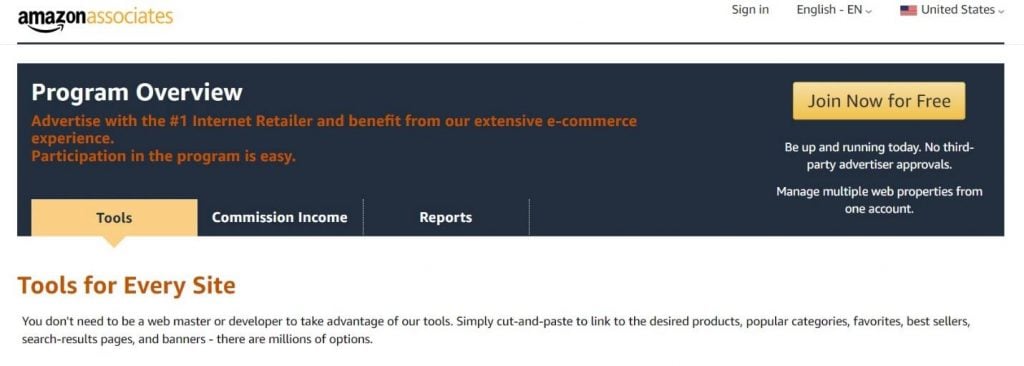

The Amazon Affiliate Program offers a fantastic opportunity for individuals to earn money by promoting Amazon products. This comprehensive guide dives deep into the sign-up process for 2023, providing essential information and strategies for success. From understanding the program’s benefits to mastering effective promotion techniques, this resource is your key to maximizing your potential as an Amazon affiliate.

This guide will cover everything from the basics of the program to advanced strategies for maximizing your earnings, helping you navigate the complexities of affiliate marketing on Amazon. We’ll also compare Amazon’s program to others, providing a broader perspective on the affiliate landscape.

Introduction to Amazon Affiliate Program

How to Join the Amazon Affiliate Program in 2024

The Amazon Affiliate Program is a performance-based marketing program that allows individuals and businesses to earn commissions by promoting Amazon products on their websites, blogs, social media, or other online platforms. This program offers a powerful way to monetize online content and generate income.By partnering with Amazon, affiliates can tap into a vast marketplace of products and reach a global audience, potentially driving significant sales and earning substantial revenue.

This detailed guide will cover the essentials of the program, including benefits, requirements, commission structure, and product promotion possibilities.

Program Benefits for Affiliates

The Amazon Affiliate Program provides numerous advantages to participating affiliates. These benefits include access to a wide selection of products, the ability to reach a global customer base, and the potential for passive income streams. The program’s extensive reach allows affiliates to promote products relevant to their specific niche, connecting them with a large pool of potential customers.

Requirements for Becoming an Affiliate

To become an Amazon affiliate, individuals must meet certain criteria. These requirements are generally straightforward and designed to ensure the integrity of the program. A crucial element is having a website or online presence, where you can direct customers to Amazon product pages. Furthermore, you’ll need a valid payment method to receive your commissions.

Commission Structure and Payment Methods

The commission structure is a crucial aspect of the program, directly influencing the affiliate’s earning potential. The commission rate for each product varies depending on the product itself and is often set by Amazon. Amazon typically calculates the commission based on the sale price of the item. This structured approach ensures transparency for affiliates and consistency in the program’s operations.The program typically uses a secure online platform for managing payments.

The payment method options are usually determined by Amazon’s policies. Payment cycles and methods are often standardized across the program, ensuring smooth transactions for all participants.

Types of Products Affiliates Can Promote

The Amazon Affiliate Program offers a vast array of products across diverse categories. Affiliates can promote books, electronics, clothing, home goods, and virtually any other product offered on the Amazon platform. The key to success lies in choosing products aligned with your target audience and promoting them effectively.A diverse range of product offerings allows for niche-specific promotions. For instance, a travel blog can promote travel accessories, while a parenting blog could promote children’s toys.

This flexibility in product selection ensures there’s a suitable opportunity for nearly any affiliate.

Sign-up Process in 2023

Joining the Amazon Affiliate Program in 2023 is a straightforward process, requiring careful attention to detail. Understanding the steps and the importance of accurate information will significantly increase your chances of successful enrollment. This section provides a comprehensive overview of the sign-up procedure, highlighting key aspects and potential pitfalls.

Step-by-Step Sign-up Procedure

The Amazon Affiliate Program enrollment process typically involves several key steps. Carefully following each step is crucial for a smooth application.

  • Account Creation: You’ll need to create an Amazon seller account if you don’t already have one. This account serves as the foundation for your affiliate relationship with Amazon. This is the first and most crucial step, as it unlocks access to the program’s enrollment portal.
  • Application Submission: Once your Amazon seller account is established, navigate to the Amazon Affiliate Program application page. Complete the online application form, providing necessary information and details about your intended website or social media presence.
  • Review and Approval: Amazon reviews your application thoroughly. This includes evaluating your website or social media presence to ensure alignment with the program’s guidelines. This review process can take a few days or even weeks, depending on the volume of applications.
  • Confirmation and Onboarding: Upon approval, you’ll receive a confirmation email. This email will provide access to the affiliate program dashboard and tools to manage your affiliate account.

Required Information During Sign-up

Accurate and complete information is essential for a successful application. The following are typical examples of the details required:

  • Website or Social Media Information: Specific details about your website or social media platforms, including URLs, descriptions, and traffic estimates.
  • Business Information: Your business name, address, and contact details are critical for verification purposes.
  • Personal Information: Accurate personal details, such as your name, email address, and phone number, are essential for communication and account management.
  • Payment Information: Providing accurate bank account details is crucial for receiving payments from Amazon.

Importance of Accurate Information

Providing accurate information is vital for a smooth and efficient application process. Inaccuracies may lead to delays or rejection of your application. Ensure all information is correct and up-to-date.

Common Sign-up Errors and How to Avoid Them

Mistakes during the sign-up process can potentially lead to rejection or difficulties. Here’s a table outlining some common errors and how to avoid them:

Error Explanation How to Avoid
Incomplete Application Failing to provide all required information Carefully review the application form and ensure all fields are filled accurately.
Inaccurate Information Providing incorrect or outdated information Double-check all details before submitting the application.
Non-compliant Website/Social Media Your platform does not meet Amazon’s standards Thoroughly review the Amazon Affiliate Program guidelines and ensure your website/social media presence aligns with the requirements.
Lack of Business Verification Insufficient evidence of a legitimate business Provide comprehensive documentation to support your business legitimacy.

Strategies for Success

Successfully navigating the Amazon Affiliate Program requires a strategic approach beyond simply signing up. This involves careful planning, consistent effort, and a deep understanding of the program’s nuances. A well-defined strategy, including targeted product selection and compelling content creation, is crucial for generating meaningful income and building a sustainable affiliate marketing business.Effective affiliate marketing on Amazon hinges on a multifaceted approach.

Understanding the intricacies of product selection, crafting engaging content, and driving traffic to your affiliate links are paramount to success. Furthermore, learning from the experiences of successful campaigns can significantly accelerate your journey.

Key Product Selection Criteria

Choosing the right products is fundamental to affiliate success. A well-researched selection will attract a targeted audience and align with your existing brand or niche. A comprehensive understanding of market demand, product profitability, and competition is essential for making informed decisions.

  • Demand Analysis: Identifying products with a high demand and consistent sales volume is crucial. Market trends and seasonal variations play a significant role. Analyze Amazon’s best-selling lists and customer reviews to understand what resonates with buyers.
  • Profitability Assessment: Determine the commission rate offered by Amazon and your potential earnings. Calculate the profit margin you can achieve by considering the product’s price and your commission rate. Products with a high commission rate and relatively low cost to the customer tend to be more lucrative.
  • Competition Evaluation: Analyze the level of competition for each product. A high degree of competition might require a more specialized or unique approach to stand out.

Crafting Engaging Content

Creating compelling content is vital to attract and retain an audience. This content must provide value and establish you as a trusted resource. This can include in-depth product reviews, comparisons, or tutorials that benefit customers.

  • High-Quality Product Reviews: Provide detailed and honest reviews, focusing on key features, benefits, and drawbacks. Include visuals like screenshots or videos to enhance engagement.
  • Compelling Product Comparisons: Compare similar products to highlight the best fit for different needs. This creates a valuable resource for customers.
  • Informative Tutorials and Guides: Provide step-by-step instructions on how to use or incorporate the product. This demonstrates expertise and offers practical value to the audience.

Driving Traffic to Affiliate Links

Driving traffic to your affiliate links is crucial for generating sales. Utilizing various platforms and strategies will expand your reach and visibility.

  • Utilizing Social Media Platforms: Share engaging content, reviews, and comparisons on platforms like Instagram, TikTok, Facebook, or Twitter to increase visibility and drive traffic to your Amazon affiliate links.
  • Search Engine Optimization (): Optimize your website and blog content with relevant s to improve search engine rankings and attract organic traffic.
  • Email Marketing: Building an email list allows you to nurture leads and promote your affiliate links directly to your subscribers.

Examples of Successful Affiliate Marketing Campaigns

Numerous successful Amazon affiliate campaigns demonstrate the effectiveness of strategic implementation. For instance, niche-focused websites dedicated to specific products or categories have seen considerable success. These campaigns demonstrate that a clear understanding of the target audience and a focus on providing valuable content are crucial factors for achieving desired results.

Successful affiliate marketing campaigns often showcase a strong understanding of their target audience, providing valuable content tailored to their needs.

Key Considerations for 2023

Navigating the ever-shifting landscape of affiliate marketing in 2023 requires a keen understanding of the specific challenges and opportunities presented by the Amazon Affiliate Program. This section delves into crucial comparisons with other programs, essential considerations for affiliates, and the evolving trends impacting Amazon’s affiliate ecosystem. Understanding these factors empowers affiliates to adapt strategies and maximize potential returns.

Comparison with Other Affiliate Programs

The Amazon Affiliate Program, while immensely popular, isn’t the only option. Comparing it to other programs reveals distinct strengths and weaknesses. Other platforms, such as ClickBank, ShareASale, and CJ Affiliate, often focus on niche markets or offer specialized commission structures. Some may provide broader product selection, but Amazon’s vast inventory and established consumer base remain a significant advantage.

Understanding these differences allows affiliates to strategically choose the programs that best align with their individual goals and target audience.

Important Considerations for Affiliates in 2023

Several key factors demand attention for affiliate success in 2023. The changing digital landscape and evolving consumer expectations necessitate a proactive approach. Maintaining a strong online presence, optimizing content for search engines, and building a loyal audience are crucial elements for continued success.

  • Maintaining a Strong Online Presence: A robust website or social media presence is essential. Engaging content, consistent updates, and proactive community building cultivate trust and drive traffic. Successful affiliates leverage multiple channels to reach a wider audience.
  • Optimizing Content for Search Engines (): Search engine optimization remains a cornerstone of effective affiliate marketing. s, meta descriptions, and high-quality content all contribute to higher search rankings, increasing visibility to potential customers.
  • Building a Loyal Audience: Creating a community around a specific niche or interest fosters customer loyalty and engagement. This translates to increased trust and higher conversion rates from visitors to buyers. Building a community involves actively interacting with followers and providing valuable content.

Changing Landscape of Affiliate Marketing and Its Impact on Amazon

Affiliate marketing is constantly evolving. The rise of social media marketing, the increasing use of artificial intelligence, and the shift toward mobile-first strategies significantly impact how consumers discover products and interact with brands. Amazon, recognizing these shifts, continues to adapt its affiliate program, integrating these new trends to remain competitive.

Evolving Trends in the Amazon Affiliate Market

Several key trends are shaping the Amazon affiliate market. The shift towards video content, influencer marketing, and the increasing use of AI tools are significant factors. These trends necessitate adapting strategies to stay ahead of the curve.

  • Video Content: Video content is increasingly important. Tutorials, reviews, and demonstrations can significantly enhance product understanding and drive sales.
  • Influencer Marketing: Collaborating with relevant influencers can expose products to a wider audience. Finding the right influencers to target specific demographics is critical for maximizing impact.
  • AI Tools: AI-powered tools are emerging to analyze data, optimize content, and personalize affiliate marketing strategies. Leveraging AI tools allows for more targeted campaigns and improved efficiency.

Potential Challenges and Solutions for Affiliates in 2023

Affiliate marketing, while lucrative, presents challenges. Competition is fierce, and maintaining profitability requires constant adaptation. Understanding these challenges and implementing suitable solutions is essential.

  • Competition: The affiliate market is highly competitive. Standing out from the crowd requires innovative strategies, unique content, and a strong brand presence.
  • Maintaining Profitability: Commission rates can fluctuate. Maintaining profitability requires continuous optimization of strategies, identifying high-value products, and maximizing conversion rates. Affiliate programs with competitive commission rates can be crucial for profitability.
  • Staying Updated: The digital landscape is constantly evolving. Affiliates need to stay informed about new trends, algorithms, and best practices. Keeping up with the latest developments is key to adapting strategies for maximum effectiveness.

Related Information on Amazon Affiliate

The Amazon Affiliate Program, while popular, isn’t the only avenue for affiliate marketing. Understanding alternative programs and Amazon’s specific policies is crucial for making informed decisions. This section provides valuable insights into comparative affiliate programs, Amazon’s terms, maintaining a positive relationship, avoiding common pitfalls, and the importance of adhering to guidelines.Exploring other affiliate programs alongside Amazon offers a wider perspective and potential avenues for growth.

A comprehensive understanding of Amazon’s policies is essential for successful participation.

Comparison of Affiliate Marketing Programs

Understanding the landscape of affiliate marketing programs beyond Amazon allows for a more strategic approach. Different platforms cater to various niches and offer distinct advantages.

Program Focus Strengths Weaknesses
Amazon Associates Wide range of products, established platform High volume of potential customers, proven track record Competition can be intense, limited customization options
ShareASale Diverse product categories, focus on commission structure Extensive merchant network, flexibility in commission models Higher fees or lower commission rates in certain cases
CJ Affiliate Wide product range, strong reporting tools Large advertiser base, robust analytics platform Potential for higher initial setup requirements
ClickBank Digital products, strong focus on online marketing Large selection of digital products, established audience Might have lower commission rates for physical products

Note: Commission rates, merchant networks, and other specifics can vary between programs.

Amazon Affiliate Marketing Policies and Terms of Service

Amazon’s Affiliate Program Terms of Service Artikel the rules for participating and are crucial for maintaining a positive account status. Understanding these policies is essential to avoid violations and maintain a good standing with Amazon.

Amazon’s terms detail acceptable and unacceptable marketing practices, such as restrictions on deceptive advertising, content quality standards, and ethical promotion. They also define the responsibilities of affiliates in terms of product reviews, disclosure requirements, and compliance with regulations.

Tips for Maintaining a Positive Relationship with Amazon

Maintaining a positive relationship with Amazon is essential for sustained participation in the affiliate program. Adhering to their policies fosters trust and ensures long-term success.

  • Adhere strictly to Amazon’s policies on product reviews and advertising. Accurate and transparent content is paramount.
  • Maintain a professional and compliant approach to promotion. Avoid aggressive or misleading tactics.
  • Actively monitor Amazon’s guidelines and updates. Staying informed is key to navigating any changes in policy.
  • Address any issues promptly and professionally, communicating clearly and respectfully.

Common Mistakes to Avoid When Promoting Affiliate Products

Understanding common mistakes in affiliate marketing helps to avoid jeopardizing an account and maintain a good standing with Amazon.

  • Deceptive or misleading advertising practices, such as false reviews or exaggerated claims, are strictly prohibited and can result in account suspension.
  • Promoting products without proper disclosure is a serious violation and can lead to termination of the account.
  • Using inappropriate or offensive language in promotional content is unethical and unprofessional.
  • Neglecting compliance with Amazon’s terms of service and guidelines can have severe consequences for an affiliate’s account.

Importance of Compliance with Amazon’s Policies

Compliance with Amazon’s policies is critical for maintaining a successful affiliate program participation. This ensures a positive experience for both the affiliate and Amazon.Adherence to the terms of service and ethical marketing practices demonstrates professionalism and integrity. This ultimately leads to trust and long-term sustainability in the program. Violating policies can result in account suspension or termination, which significantly impacts earning potential.

Content Structure and Formatting

Effective content structure is crucial for attracting and retaining readers interested in Amazon affiliate programs. A well-organized presentation, coupled with clear formatting, makes complex information digestible and engaging. This section Artikels various methods for structuring and formatting content related to Amazon affiliate programs.

Content Organization Structures

A well-structured presentation of information about Amazon affiliate programs significantly enhances comprehension and reader engagement. Different organizations can be used to effectively convey information, making the content easier to digest and navigate.

Organization Type Description Example Headings
Chronological Presents information in a sequential order, like the steps in a process. Getting Started, Navigating the Program, Tracking Success
Categorical Groups information based on themes or topics, offering a focused approach. Product Selection, Marketing Strategies, Monetization Techniques
Problem-Solution Identifies a problem related to Amazon affiliate marketing and offers solutions. Overcoming Challenges in Affiliate Marketing, Maximizing Your Income, Mastering Amazon Affiliate Tactics
Comparative Compares different aspects of Amazon affiliate programs or various strategies. Comparing Affiliate Networks, Evaluating Commission Structures, Analyzing Different Strategies

Bullet Point Structure

Using bullet points effectively enhances readability and highlights key takeaways. A well-structured list of bullet points provides concise and focused information, enhancing user engagement.

A clear and concise format, presented in bullet points, is ideal for showcasing key information, such as program requirements, commission structures, and popular affiliate products. Using bullet points for these aspects ensures a highly readable and easily digestible format.

  • Program Requirements: Verification of eligibility, account setup, and compliance with Amazon’s policies.
  • Commission Structure: Details of commission rates, payout frequency, and any applicable fees.
  • Popular Affiliate Products: Examples of high-demand products suitable for affiliate marketing.

Presenting Affiliate Products

Effective product presentation is key to attracting potential customers. Using bulleted lists can help highlight key product features and benefits, making the content more engaging and persuasive.

Highlighting key product features and benefits in a bulleted format can encourage readers to explore affiliate products further.

  • Product A: High-quality, durable material, available in various colors.
  • Product B: Versatile design, suitable for multiple uses, with a user-friendly interface.
  • Product C: Eco-friendly manufacturing process, supporting sustainable practices, with a low price point.

Commission Rates Table

A table clearly displaying commission rates for different product categories provides a quick overview and aids comparison. This structured presentation allows for easy reference and facilitates quick comprehension of commission rates.

Affiliate Commission Rates by Product Category
Product Category Estimated Commission Rate (%)
Electronics 5-15%
Books 4-10%
Home & Kitchen 3-8%
Beauty & Personal Care 5-12%
Toys & Games 4-9%

Formatting for Readability and Engagement

Proper formatting is essential for creating engaging and readable content. Clear formatting enhances user experience and increases the likelihood of readers absorbing the information.

Employing various formatting techniques, such as headings, subheadings, bullet points, and tables, contributes significantly to content readability. These formatting choices also enhance user experience, making it easier to scan and absorb the information.

  • Use Headings and Subheadings: Break down large sections of text into smaller, more manageable units for better navigation.
  • Employ Visual Aids: Tables and charts can effectively communicate data and information.
  • Optimize for Scannability: Use bullet points and short paragraphs for improved readability.
  • Maintain Consistency: Adhere to a consistent font style, size, and color scheme for a cohesive look.

Illustrative Examples

Successful affiliate marketing hinges on compelling visuals and persuasive copy. This section provides practical examples to showcase effective strategies for attracting customers and driving conversions. Illustrative examples demonstrate the tangible impact of well-designed landing pages, promotions, and content.

Successful Affiliate Marketing Landing Page

A successful affiliate landing page is a crucial component of the affiliate journey. It should seamlessly guide visitors from discovery to purchase, acting as a mini-sales funnel. A visually appealing landing page with clear call-to-actions (CTAs) is paramount. A well-designed page is immediately recognizable, highlighting the benefits of the product or service.

  • Visual Appeal: A high-quality, professionally shot product image or video, ideally showcasing the product in action. Consider a lifestyle image that portrays how the customer can benefit from using the product.
  • Clear Product Description: Concisely highlight the product’s key features and benefits. Use strong verbs and benefit-driven language. For example, instead of “Lightweight material,” use “Experience unparalleled comfort with our feather-light fabric.” Avoid jargon and focus on the customer’s needs.
  • Compelling Headline: A catchy headline that grabs attention and clearly communicates the product’s value proposition. For instance, “Unlock Your Inner Productivity with This Ergonomic Keyboard.”
  • Strong Call to Action: A prominent, visually distinct button or link that encourages immediate action. “Shop Now,” “Learn More,” or “Get Yours Today” are effective choices. Ensure the CTA is easily identifiable and positioned prominently.
  • Trust Signals: Include trust badges (e.g., security seals, customer testimonials, or reviews) to build credibility and encourage conversions.

Well-Designed Affiliate Product Promotion

A well-crafted affiliate product promotion will increase engagement and conversions. This involves strategic product highlighting and effective communication.

  • Strategic Product Placement: Integrate the product promotion seamlessly into existing content, such as blog posts, social media updates, or email newsletters. This increases visibility and encourages relevant engagement.
  • Benefit-Driven Language: Focus on the customer’s needs and desires. Emphasize how the product solves problems, improves lives, or enhances experiences. For example, instead of “This software has a new feature,” write “Streamline your workflow with this intuitive new feature.” Showcase the benefits over features.
  • Engaging Visuals: Incorporate high-quality images or videos to showcase the product or service. Visuals can significantly enhance engagement and attract potential customers.
  • Clear and Concise Copy: Use persuasive language to highlight the product’s value proposition. Avoid overly technical or complex language. Keep the message simple and easy to understand.
  • Social Proof: Include testimonials, customer reviews, or social media endorsements to build trust and demonstrate social validation.

Compelling Product Descriptions

Compelling descriptions are key to converting visitors into customers. These descriptions must be concise, benefit-oriented, and persuasive.

  • Benefit-Driven Language: Instead of listing features, highlight the advantages for the customer. For example, instead of “This phone has a 12MP camera,” use “Capture stunning photos and videos with our 12MP camera.”
  • Problem/Solution Approach: Identify the customer’s problem and clearly explain how the product solves it. “Tired of messy cables?” “This wireless charging pad is the solution.”
  • Strong Verbs: Use powerful verbs to create a sense of urgency and excitement. For example, “Unlock,” “Experience,” “Transform,” “Simplify.”
  • Concise and Engaging Tone: Keep the description brief and engaging. Avoid overly technical language and focus on delivering a concise and memorable message.

Engaging Infographic

An infographic can effectively showcase key data and statistics related to the affiliate program. It should be visually appealing and easy to understand.

Statistic Visual Representation Description
Conversion Rate Bar graph Visually represents the conversion rate of affiliate links, highlighting the effectiveness of various campaigns.
Average Revenue Per Click Line graph Demonstrates the average revenue generated per click over time, allowing for trend analysis.
Top-Performing Products Pie chart Visualizes the products that contribute most to the overall revenue, enabling identification of high-performing items.
Affiliate Network Growth Growth chart Visually illustrates the growth of the affiliate network over a period of time, emphasizing the expansion of the program.

A well-designed infographic combines clear data with visually appealing elements, making complex information accessible and engaging for viewers. Use colors and icons strategically to enhance readability and impact.

Visual Support for Affiliate Marketing Content

Visual elements can significantly enhance the effectiveness of affiliate marketing content. They can improve engagement and help convey information more effectively.

  • High-Quality Images: Professional product photography or illustrations should be used to showcase products or services.
  • Compelling Videos: Videos demonstrating product usage, customer testimonials, or behind-the-scenes glimpses can be highly engaging.
  • Infographics: Visually represent complex data or statistics, making them more accessible and engaging.
  • Social Media Graphics: Utilize eye-catching graphics to promote affiliate products on social media platforms.

Conclusive Thoughts

In conclusion, the Amazon Affiliate Program presents a compelling opportunity for anyone looking to leverage their online presence to generate income. This guide has equipped you with the knowledge to navigate the sign-up process, understand crucial strategies for success, and stay informed about the ever-evolving landscape of affiliate marketing on Amazon. Remember to stay updated on Amazon’s policies and adapt your strategies to maintain a successful partnership.

Quick FAQs

What are the typical commission rates for the Amazon Affiliate Program?

Commission rates vary significantly depending on the product category. Amazon provides a detailed breakdown of these rates in their program documentation.

What is the difference between Amazon’s affiliate program and other programs?

Amazon’s program offers a vast selection of products and a large customer base. Other programs might focus on specific niches or have different commission structures.

What are common mistakes to avoid during the sign-up process?

Providing inaccurate or incomplete information is a common mistake. Carefully review the requirements and ensure you provide all necessary details accurately.

How can I maintain a positive relationship with Amazon during the partnership?

Adhering to Amazon’s policies and terms of service, promoting products ethically, and maintaining clear communication are essential for maintaining a positive relationship.

Ready to earn money online without investing a dime? Free affiliate programs that pay daily are a fantastic opportunity for beginners. This guide will walk you through the ins and outs of these programs, highlighting reputable platforms, strategies for success, and crucial steps to avoid common pitfalls.

These programs offer a chance to build a passive income stream by promoting other companies’ products or services. Imagine earning money while you sleep, all while following a simple and straightforward process. Let’s explore the world of free, daily-paying affiliate programs and discover how you can join the movement!

Introduction to Affiliate Marketing

Affiliate marketing is a performance-based marketing strategy where individuals or businesses (affiliates) earn commissions by promoting other companies’ products or services. Essentially, affiliates act as brand ambassadors, driving traffic and generating sales for a business in exchange for a pre-determined percentage of each sale they facilitate. This system benefits both the affiliate and the business, incentivizing both parties to actively participate in the process.Affiliate programs come in diverse formats.

Some programs offer one-time commissions for each sale generated, while others provide recurring commissions if the customer remains a subscriber or continues to use the service. The structure of the commission directly affects the affiliate’s earning potential and their strategy for promotion.

Understanding Affiliate Program Types

Different affiliate programs cater to diverse business models and customer needs. The type of commission significantly impacts the affiliate’s earnings. One-time commissions are paid when a customer completes a specific action, like purchasing a product. Recurring commissions, conversely, are paid for each customer who remains subscribed or continues to use a service. This distinction underscores the variation in affiliate program structures and their associated income streams.

Key Steps to Join an Affiliate Program

Joining an affiliate program typically involves several straightforward steps. First, find a program that aligns with your interests and target audience. Next, register with the program and complete any required onboarding. This often includes reviewing the terms and conditions, creating a unique affiliate link, and setting up tracking tools. Once approved, you can begin promoting the products or services and monitoring your earnings.

Elements of a Successful Affiliate Program

A successful affiliate program encompasses several crucial elements, each contributing to its effectiveness. The table below Artikels some key components.

Element Description
Commission Structure Defines the percentage or amount earned for each sale or action. One-time or recurring commission models are common.
Payment Methods Specifies how affiliates receive their earnings, such as direct deposit, PayPal, or check. Frequency of payments is also crucial.
Required Actions Artikels the activities affiliates must undertake to qualify for commissions. This might include creating promotional content, driving traffic, or completing specific actions.
Tracking Mechanisms Explains how affiliate activities are tracked and sales attributed to specific affiliates. Essential for accurate reporting and commission payouts.
Support and Resources Highlights the support provided to affiliates, including promotional materials, training, and ongoing assistance.
Program Terms & Conditions Includes guidelines, restrictions, and expectations to maintain program integrity and avoid conflicts of interest.

Free Affiliate Programs Overview

Discovering reputable free affiliate programs is a crucial step in starting your affiliate journey. These programs often lack the upfront investment of traditional methods, but still offer opportunities to earn. Understanding the available options and their specific characteristics will empower you to choose the right platform for your needs. Navigating these programs can seem daunting, but a structured approach, including a clear comparison of platforms, will help you make informed decisions.

Reputable Platforms Offering Free Affiliate Programs

Numerous platforms offer free affiliate programs, varying in their scope and specific offerings. Some popular choices include established e-commerce sites, specialized product directories, and even social media marketing platforms. Each platform attracts a particular audience, which influences the potential earnings and the overall experience. Careful consideration of these differences is essential.

Comparison of Free Affiliate Programs

This table provides a concise overview of different free affiliate programs, comparing key factors. It’s crucial to evaluate the payment frequency, commission rates, and the required effort for each program to align with your goals and lifestyle.

Platform Payment Frequency Commission Rate Required Effort
Online retailer A Daily 2-5% Moderate (needs consistent promotion)
Product directory B Weekly 1-3% Low (mostly passive)
Social media platform C Monthly Variable (per post/engagement) High (needs active engagement)
Content aggregator D Weekly 0.5-2% Low (can be automated)

Commission Structure in Daily-Paying Affiliate Programs

Daily-paying affiliate programs typically employ a commission structure based on sales generated through your unique affiliate link. This is a percentage of the sale price, calculated based on the item or service sold. The percentage often varies significantly across different programs and products.

Example: If a product costs $100 and your commission rate is 5%, your daily commission would be $5.

Benefits and Drawbacks of Daily-Paying Free Affiliate Programs

Daily-paying affiliate programs offer a compelling advantage in providing immediate feedback on your efforts. This allows you to track progress and adjust your strategy more rapidly.

  • Benefits: The immediate feedback loop allows for quick adjustments to your strategy and can be motivating for consistent efforts. This structure also helps build momentum, as you see results daily. The immediacy also offers more opportunities to track performance and adapt to changing trends in the market.
  • Drawbacks: The high frequency of payouts can require a greater commitment to consistent promotion and effort. Daily payouts might not always translate to substantial earnings in the short term, especially if sales are lower.

Daily Payment Affiliate Programs

12 Best Affiliate Programs That Pay Daily (2025) FAST Payout

Daily payment affiliate programs, while enticing with their promise of immediate rewards, often come with specific strategies, potential pitfalls, and unique considerations. Understanding these nuances is crucial for evaluating the legitimacy and potential risks involved in these programs. It’s important to approach these opportunities with caution and a critical eye.These programs often rely on a quick turnaround time for payouts, which might influence their marketing strategies.

This aspect necessitates a careful assessment of the program’s offerings to discern whether the promises align with reality. The allure of immediate returns can mask potential challenges, highlighting the need for a thorough evaluation process.

Common Strategies Used

Daily payment affiliate programs often employ marketing strategies focused on quick commissions and high transaction volume. This might involve promoting products with high-turnover rates, such as digital downloads, subscriptions, or low-cost items. They might also focus on driving a high volume of traffic to generate quick commissions. This approach, however, can be challenging to maintain profitability and sustainability.

Potential Pitfalls

Numerous potential pitfalls can arise with daily payment affiliate programs. The frequency of payouts might be a red flag if it seems too good to be true, as it could indicate a high risk of financial instability or a lack of sufficient volume in the program. Be wary of unrealistic promises of high earnings, as these programs might be unsustainable.

Furthermore, inflated commissions or unrealistic performance targets should raise concerns.

  • Unrealistic Commission Structures: Programs promising exceptionally high commissions per day, with minimal effort, are likely to be problematic.
  • High-Pressure Sales Tactics: Aggressive sales tactics, often employed to maximize short-term conversions, can indicate a program prioritizing quick profits over ethical sales practices.
  • Limited Product Selection: A narrow selection of products or services to promote might restrict earning potential and make it harder to find a profitable niche.
  • Lack of Transparency: Programs that avoid disclosing details about their payment structure, commissions, or product selection should be viewed with suspicion.

Criteria for Evaluating Trustworthiness

Assessing the trustworthiness of daily payment affiliate programs requires careful consideration of several factors. Look for established businesses with a strong reputation. Transparency in the program’s structure and payment process is essential. Thoroughly research the products or services offered and the affiliate program’s history.

  • Program Reputation: Check online reviews and forums for feedback from other affiliates.
  • Company Background: Research the company behind the program to understand their experience and history.
  • Payment Terms: Examine the payment terms, including the frequency, minimum payout threshold, and processing time.
  • Product Quality: Assess the quality of the products or services promoted, considering customer reviews and feedback.

Potential Limitations or Risks

Daily payment frequency, while appealing, might mask underlying limitations or risks. Programs might require a significant volume of traffic to generate enough commissions for daily payouts. This might be challenging to maintain consistently, leading to inconsistent earnings or even losses.

  • Volume-Driven Model: The program’s profitability relies on maintaining a consistent flow of transactions, which can be difficult to sustain.
  • High Turnover Rate: Products or services associated with these programs might have a high turnover rate, which can make it challenging to sustain profitability for affiliates.
  • Inconsistency of Earnings: Daily payments might not be consistent, and fluctuations in earnings could occur, making it difficult to plan for financial stability.
  • Potential for Fraud: Be aware of the possibility of fraudulent programs that exploit the allure of daily payments to deceive affiliates.

No Investment Affiliate Programs

Many affiliate programs don’t require upfront investments to get started. This accessibility makes them appealing to a wide range of individuals, from students to seasoned marketers, enabling them to begin earning income without significant financial risk. These programs often rely on promoting products or services, earning a commission for each successful referral. Understanding the mechanics of these programs is crucial to effectively leveraging them for income generation.This section explores various no-investment affiliate programs, their earning mechanisms, and characteristics of successful initiatives.

We will also contrast them with programs that do require initial investment.

Examples of No-Investment Programs

A range of programs exist without initial investment requirements. Social media marketing platforms, for example, frequently feature affiliate programs that don’t need a large investment. Some blogs and online publications also have affiliate programs where the only requirement might be a link in a blog post or social media share. These programs are attractive due to their minimal barrier to entry.

Methods for Earning Commissions (No Investment)

The typical method for earning commissions in no-investment programs involves promoting products or services through various channels. This typically entails creating content, such as blog posts, social media posts, or videos, that highlight the benefits of the products or services being promoted. Promoting these through links is often the core component. The key to success lies in attracting a relevant audience and building trust.

Characteristics of Successful No-Investment Programs

Several key characteristics contribute to the success of no-investment affiliate programs. Strong product-market fit is crucial; the program should align with a product or service that resonates with a target audience. A clear and compelling marketing strategy is essential, encompassing content creation and targeted promotion. Furthermore, a high-quality website or online presence can significantly improve visibility and credibility.

Comparison of Investment vs. No-Investment Programs

Characteristic No Upfront Investment Upfront Investment Required
Initial Cost Minimal or Zero Significant
Risk Low Medium to High
Time to ROI Variable, potentially longer Potentially shorter
Scalability Often lower initially, but potential to scale Higher potential for scalability
Required Skills Content creation, marketing, promotion Similar, but may require additional business acumen or specialized skills

The table above illustrates the core differences between programs with and without upfront investment. No-investment programs are often easier to get started, but they may require a longer time to see a return on investment (ROI) compared to programs with upfront costs.

Amazon Affiliate Program

The Amazon Associates program is one of the most popular and established affiliate programs online. It offers a vast selection of products and a large pool of potential customers, making it an attractive option for affiliate marketers. Understanding its structure and mechanics is key to success.The program operates on a commission-based model, where affiliates earn a percentage of the sale price for each product they refer.

This commission structure can vary depending on the product category and individual seller agreements. This model contrasts with some daily-paying affiliate programs, which might offer a fixed payment for a specific action or referral.

Program Structure and Mechanics

The Amazon Associates program’s structure is built around product listings. Affiliates create unique links associated with specific products, and when a customer clicks on these links and makes a purchase, the affiliate earns a commission. This process relies on tracking technologies to attribute sales to individual affiliates. The program’s mechanics are well-established and reliable, with detailed guidelines available on the Amazon Associates website.

Comparison to Other Daily-Paying Programs

While Amazon’s program is not a daily-paying one, the sheer volume of potential sales and the commission structure often leads to higher earnings over time. Daily-paying programs might offer quicker payouts, but they often come with restrictions on the type of products or services promoted, and often with a lower potential for significant income.

Advantages of Using Amazon as an Affiliate

  • Large Product Selection: Amazon offers a vast catalog of products, from electronics to clothing to books, providing affiliates with diverse options to promote. This broad selection increases the potential for finding a niche and attracting customers with specific interests.
  • Established Customer Base: Amazon boasts a massive customer base, which translates into a large pool of potential buyers for affiliate links. This inherent advantage gives affiliates a strong foundation for driving sales.
  • Reliable Platform: Amazon is a trusted e-commerce giant, and the Associates program operates with a proven track record. This reliability is reassuring for affiliates and customers alike, fostering trust in the system.

Disadvantages of Using Amazon as an Affiliate

  • Competition: The large number of affiliates in the Amazon program creates intense competition. Standing out and attracting customers requires a strong marketing strategy and unique selling points.
  • Commission Rates: Commission rates can vary considerably, and they are often lower compared to specialized niche affiliate programs. This requires careful selection of products and marketing strategies to maximize earnings.
  • Affiliate-Specific Challenges: Affiliates must navigate the terms and conditions of the program to avoid violations, which might result in account restrictions or penalties.

Actionable Steps for Beginners

  1. Create a Seller Account: Register for an Amazon Associates account and familiarize yourself with the program’s policies and guidelines. This initial step establishes your presence in the affiliate network.
  2. Identify Niches: Research and identify product categories or niches where you have specific knowledge or interest. This specialization helps you target a specific audience and promote products effectively.
  3. Develop Content: Create high-quality content, such as blog posts, articles, or videos, that promote the products and engage your target audience. This could include product reviews, comparisons, or tutorials related to specific items.
  4. Promote Effectively: Use various marketing channels, including social media, email marketing, and strategies, to drive traffic to your affiliate links. This multi-channel approach increases visibility and reach.
  5. Monitor Performance: Track your affiliate link performance, analyze sales data, and adjust your strategies based on the results. Regular monitoring helps identify what works and what needs improvement.

Strategies for Success

Maximizing earnings from free daily-paying affiliate programs requires a strategic approach. Simply joining a program isn’t enough; consistent effort and smart strategies are crucial for building a sustainable income stream. This section details effective methods to boost your affiliate earnings, focusing on traffic generation, product selection, and consistent engagement.

Traffic Generation Strategies

Driving traffic to your affiliate links is paramount. A high volume of targeted visitors increases the likelihood of conversions and commissions. Diverse traffic generation methods are essential for long-term success.

  • Content Marketing: Creating valuable, engaging content (blog posts, articles, videos) related to the products or services you promote establishes you as an authority. This draws organic traffic and builds trust with your audience.
  • Social Media Marketing: Active participation on platforms like Instagram, Facebook, TikTok, and Twitter can expose your affiliate links to a wider audience. Engaging posts and targeted ads can direct significant traffic to your promotions.
  • Search Engine Optimization (): Optimizing your website and content for relevant s helps attract organic search traffic. This method ensures that your content appears in search results, increasing visibility and driving traffic to your affiliate links.
  • Email Marketing: Building an email list allows direct communication with your audience. Regular newsletters with affiliate promotions can nurture leads and generate conversions.
  • Paid Advertising: Platforms like Google Ads and social media ads allow you to target specific demographics and interests. This can be an effective way to quickly drive traffic to your affiliate links, although it often requires a budget.

Choosing Products or Services to Promote

Selecting the right products or services is crucial for affiliate success. Products with high demand, competitive commission rates, and a strong market position are more likely to generate income.

  • Niche Selection: Identifying a specific niche or area of expertise allows you to create targeted content and attract a more engaged audience interested in those specific products.
  • Market Research: Understanding the current market trends, customer needs, and competitor offerings helps identify products that are in demand and have high conversion potential.
  • Commission Structure: Evaluate the commission structure offered by different affiliate programs. Higher commissions incentivize promotion and potentially lead to greater earnings.
  • Product Quality: Promote products that align with your values and that you believe in. This builds trust and credibility, leading to more satisfied customers and repeat purchases.

Importance of Consistent Effort and Marketing Strategies

Affiliate marketing is not a get-rich-quick scheme. Building a successful affiliate program requires consistent effort and well-defined marketing strategies.

  • Regular Posting/Updates: Consistent posting and updating of content keeps your audience engaged and interested. Regular communication builds trust and encourages interaction.
  • Analyzing Performance: Monitoring key metrics like website traffic, conversion rates, and sales figures allows you to identify areas for improvement and adjust your strategies accordingly.
  • Adaptation and Refinement: Affiliate marketing is dynamic; adapting to changes in the market, customer behavior, and competitor strategies is essential for maintaining success.
  • Long-Term Vision: Building a successful affiliate program takes time and dedication. Focus on building a long-term strategy that prioritizes consistent effort, quality content, and a customer-centric approach.

Avoiding Common Pitfalls

Affiliate marketing, while offering lucrative potential, is fraught with pitfalls. Many aspiring affiliates fall prey to scams and deceptive practices, leading to wasted time and lost funds. Understanding these common traps is crucial for navigating the space successfully and maximizing your chances of success. Knowing how to spot red flags and evaluate programs rigorously can save you significant headaches and potentially financial losses.Identifying fraudulent schemes and illegitimate programs requires a critical eye and a healthy dose of skepticism.

The affiliate marketing landscape is constantly evolving, and new scams emerge regularly. This necessitates a proactive approach to staying informed and updated on the latest trends and tactics employed by those seeking to deceive.

Spotting Scams and Fraudulent Schemes

Affiliate marketing scams often exploit the desire for quick profits. These schemes often promise unrealistic returns with minimal effort, a hallmark of many fraudulent programs. Look out for programs that promise high payouts with little to no effort or a suspiciously low barrier to entry. Often, these programs will ask for upfront payments or personal information before allowing you to start promoting.

These red flags should trigger immediate suspicion.

Distinguishing Legitimate from Illegitimate Programs

Evaluating the legitimacy of an affiliate program involves more than just looking at the promised payouts. Investigate the program’s history, track record, and the reputation of the company behind it. Look for verifiable reviews and testimonials from other affiliates. Check if the program has clear terms and conditions, including a detailed description of the payment process and policies.

If the program lacks transparency or critical information, it’s likely not legitimate.

Common Mistakes to Avoid in Affiliate Marketing

One common mistake is neglecting to thoroughly research the program. Failing to understand the program’s terms, policies, and commission structure can lead to frustration and financial loss. Another common mistake is promoting products or services you don’t believe in or understand. Authenticity is crucial, and promoting products genuinely beneficial to your audience increases your chances of success.

  • Choosing the wrong niche: Selecting a niche without understanding its market or the needs of your audience can lead to low engagement and poor results.
  • Ignoring : Neglecting search engine optimization () can hinder your website’s visibility and limit your reach. Proper helps your content rank higher in search results.
  • Lack of content marketing: Creating high-quality content, such as blog posts, articles, or videos, is essential for attracting and engaging your audience. Without valuable content, you won’t be able to drive traffic and sales.
  • Insufficient promotion: Effective promotion is vital to increasing visibility and driving traffic to your affiliate links. Without a strong promotion strategy, your efforts will likely fall short.

Evaluating Affiliate Program Legitimacy

Evaluating affiliate programs is a critical step in avoiding potential losses. Look for evidence of a robust and transparent business model. A well-established company with a clear history and a strong track record of paying affiliates is a more trustworthy option. Analyze the company’s website, look for testimonials, and check for complaints or negative reviews from other affiliates.

Finally, always check the program’s payment terms and conditions, and make sure you understand the process. Review the terms of service and check for red flags like hidden fees or unusual requirements.

Building a Sustainable Affiliate Business

Successfully transitioning from a novice affiliate marketer to a seasoned professional involves building a sustainable business model. This hinges on attracting and retaining a loyal customer base, providing consistent value, and maintaining a strong online presence. A steady stream of qualified leads and sales is the cornerstone of long-term success in affiliate marketing.Building a lasting affiliate business isn’t just about promoting products; it’s about fostering a community and establishing trust with your audience.

This requires a commitment to delivering value, providing helpful content, and building genuine relationships. Successful affiliate marketers recognize that consistent effort and strategic planning are paramount to sustainable growth.

Importance of a Loyal Audience and Customer Base

A loyal customer base is the bedrock of any successful business, especially in affiliate marketing. Building a strong community of engaged followers who trust your recommendations significantly increases the likelihood of conversions. These loyal customers are more likely to revisit your content, explore your recommendations, and become repeat buyers. They also become valuable advocates, promoting your affiliate links to their own networks.

This organic growth significantly contributes to long-term success.

Significance of Providing Value to Potential Customers

Providing value is crucial for attracting and retaining customers. It goes beyond simply promoting products. Focus on creating informative and engaging content that addresses your audience’s needs and interests. This might involve blog posts, articles, videos, or social media updates that offer insights, tips, or solutions relevant to the products you’re promoting. Content that educates and entertains, rather than just pushing products, builds trust and establishes you as a valuable resource.

Necessity of Consistent Content Creation and Marketing Efforts

Consistency is key to building a sustainable affiliate business. Regularly posting valuable content keeps your audience engaged and encourages repeat visits. This reinforces your presence and keeps your brand top-of-mind. A consistent marketing strategy, including social media engagement, email newsletters, and other promotional activities, helps to nurture leads and drive conversions. Regular engagement demonstrates dedication and builds anticipation for new content, fostering a stronger relationship with your audience.

Step-by-Step Plan for Building a Sustainable Affiliate Business

A well-structured plan is essential for long-term success. The following table Artikels a practical step-by-step approach to building a sustainable affiliate business.

Step Action Description
1 Niche Selection Carefully select a niche that aligns with your interests and expertise. Research the demand and competition within that niche. This crucial step ensures your efforts are focused and effective.
2 Audience Building Actively engage with your target audience through relevant content creation, social media interaction, and community building. This stage fosters a loyal following and helps establish credibility.
3 Content Creation Develop high-quality, valuable content that addresses your audience’s needs and interests. This might include blog posts, articles, videos, or social media updates.
4 Affiliate Program Selection Choose affiliate programs that align with your niche and target audience. Consider factors like commission rates, product quality, and customer reviews.
5 Marketing and Promotion Develop a comprehensive marketing strategy to promote your affiliate links and products to your audience. This involves a variety of channels, including social media, email marketing, and optimization.
6 Conversion Optimization Continuously analyze and refine your approach to maximize conversions. Track key metrics like click-through rates and conversion rates to identify areas for improvement.
7 Building Relationships Foster genuine relationships with your audience. Engage with comments, respond to inquiries, and build a sense of community.
8 Continuous Learning and Adaptation Stay updated on the latest trends and strategies in affiliate marketing. Continuously adapt your approach based on performance data and industry insights.

Last Point

In conclusion, the world of free affiliate programs that pay daily without investment presents a compelling opportunity to generate income online. By understanding the dynamics of these programs, implementing effective strategies, and proactively mitigating risks, you can increase your chances of success. This guide provided a comprehensive overview, from the basics of affiliate marketing to advanced strategies for building a sustainable online business.

Remember to choose reputable programs, consistently promote, and avoid common pitfalls. The key is to learn, adapt, and persist!

Common Queries

What are the common pitfalls of daily-paying affiliate programs?

Be wary of programs promising unrealistic earnings or requiring excessive effort for minimal returns. Always verify the program’s legitimacy and track record. Look for transparent information about commission structures and payment methods.

How do I evaluate the trustworthiness of a daily-paying affiliate program?

Thoroughly research the program and its reputation. Check reviews from other affiliates. Look for a clear commission structure, transparent payment terms, and evidence of established customer support. Beware of programs lacking a visible presence or history.

What are some strategies to maximize earnings from these programs?

Focus on building a targeted audience. Choose products or services you genuinely believe in and can promote effectively. Create valuable content around the products you promote. Maintain consistent effort and adapt your strategy based on performance analysis.

How can I drive traffic to my affiliate links?

Utilize social media marketing, email marketing, and search engine optimization. Create engaging content that attracts your target audience. Engage with your audience and participate in relevant online communities.

Affiliate marketing is booming in the UK, offering a win-win for brands and affiliates. This guide explores the landscape of UK brands utilizing affiliate programs, from the popular to the niche. We’ll delve into the benefits, challenges, and future trends of this dynamic marketing channel.

This overview will highlight prominent UK brands with affiliate programs, examining their strategies, commission structures, and overall performance. We’ll also analyze the vital role of Amazon’s affiliate program within the UK market and compare it with other prominent options.

Introduction to Affiliate Programs in the UK

Affiliate marketing is a popular performance-based marketing strategy in the UK, enabling brands to expand their reach and drive sales through partnerships with external websites, bloggers, and social media influencers. It leverages the existing audience of these affiliates to promote products or services to a wider target market. This approach proves cost-effective for brands seeking to grow their customer base without extensive initial investment in advertising.Affiliate programs are mutually beneficial, providing brands with increased exposure and sales, while offering affiliates a chance to earn commissions and build their own revenue streams.

The UK affiliate market is thriving, with significant opportunities for both parties to succeed.

Overview of Affiliate Marketing in the UK

Affiliate marketing in the UK is a dynamic and evolving landscape. It encompasses a wide variety of products and services, from fashion and beauty to technology and financial services. The UK’s strong online presence and active e-commerce sector provide fertile ground for affiliate programs to flourish. This sector often benefits from a highly targeted approach, enabling brands to reach specific demographics and interests, thereby increasing the chances of conversions.

Benefits of Affiliate Programs

Affiliate programs offer significant advantages for both brands and affiliates. For brands, these programs facilitate broader reach and increased sales without substantial upfront marketing costs. Affiliate marketers, or affiliates, gain an income stream based on their performance and ability to drive sales.

  • For Brands: Enhanced brand visibility, increased sales, cost-effective marketing, and access to new customer segments are key advantages. A well-structured program can lead to substantial returns on investment compared to traditional advertising methods.
  • For Affiliates: Affiliate programs provide a passive income stream, leveraging existing audiences and expertise to generate revenue. This can be a valuable addition to an existing online presence, enabling a direct correlation between effort and earnings.

Common Misconceptions about Affiliate Programs

Some common misconceptions about affiliate programs include the belief that they are a “get-rich-quick” scheme or that success is guaranteed. In reality, building a successful affiliate program requires strategic planning, consistent effort, and a focus on building genuine relationships with affiliates and understanding their target audience. It is a performance-based model where success hinges on effective promotion.

  • Affiliate programs aren’t a guaranteed income source. Results depend on the affiliate’s skills, audience engagement, and the quality of the product or service being promoted.
  • Building a network takes time and effort. Affiliate programs often involve ongoing engagement and building relationships with partners to ensure long-term success.

Key Metrics for Tracking Affiliate Program Success

Tracking and analyzing key metrics are essential for optimizing affiliate programs. These metrics help brands understand the performance of their affiliates and adjust strategies for better results. Key performance indicators (KPIs) are crucial to monitor the effectiveness of the program.

  • Conversion Rate: The percentage of visitors who complete a desired action, such as making a purchase. High conversion rates are desirable, indicating effective affiliate marketing.
  • Click-Through Rate (CTR): The proportion of users who click on an affiliate link. A higher CTR suggests that affiliate promotions are well-received by the target audience.
  • Cost Per Acquisition (CPA): The cost incurred to acquire a customer through an affiliate program. Lower CPA figures indicate greater efficiency and effectiveness of the program.

Types of Affiliate Programs

Different affiliate programs employ various compensation models. Understanding these distinctions is critical for both brands and affiliates.

Type Description Example Benefit
Commission-Based Affiliates earn a fixed percentage of each sale they generate. A 10% commission on every book sold through an affiliate link. Simple and transparent structure for both parties.
Revenue-Sharing Affiliates receive a share of the revenue generated from sales made through their referrals. A 5% share of the revenue from every product sold via an affiliate link. Encourages long-term partnerships and shared growth.
Performance-Based Affiliates are compensated based on specific actions, such as leads generated or trial sign-ups. £20 for every lead generated through a particular affiliate link. Targets specific actions and encourages measurable results.
Hybrid Combines elements of different models, offering flexibility. A combination of commission and revenue-sharing, depending on the product category. Provides more tailored compensation structures.

Popular Brands with Affiliate Programs in the UK

Numerous UK brands offer affiliate programs, providing a lucrative opportunity for online marketers to earn commissions by promoting their products or services. Understanding the various brands, their product portfolios, and commission structures is crucial for affiliate marketers seeking to maximize their earnings and effectively target their audiences.

Prominent UK Brands with Affiliate Programs

Several prominent UK brands have established affiliate programs, catering to diverse consumer needs. These programs offer a range of commission structures and opportunities for affiliates to partner with leading brands.

  • ASOS: A major online fashion retailer, ASOS boasts a wide selection of clothing, accessories, and beauty products. Their affiliate program allows affiliates to promote these items to their audience. ASOS offers a tiered commission structure, incentivizing higher sales and engagement.
  • Boots: A well-established pharmacy and health and beauty retailer, Boots offers a comprehensive range of products, including skincare, makeup, and pharmaceuticals. Their affiliate program provides opportunities to promote a wide selection of products to a broad customer base. The commission structure is often based on a percentage of sales.
  • Superdrug: A prominent UK retailer focusing on health and beauty products, Superdrug provides a wide selection of cosmetics, skincare, and health products. Their affiliate program aligns with their product range and targets a customer base interested in beauty and well-being. The commission structure is comparable to other retailers in the health and beauty sector.
  • Currys: A leading electronics retailer in the UK, Currys offers a broad range of consumer electronics, from TVs and laptops to kitchen appliances. Affiliates can promote a variety of products, potentially generating commissions from a substantial market segment. Their commission structure is likely competitive, reflecting the value of electronics sales.
  • Amazon UK: A global e-commerce giant, Amazon UK has a vast inventory of products across various categories. Affiliates can promote anything from books and electronics to toys and clothing. Their affiliate program offers a tiered structure, with commission percentages varying depending on the product and the affiliate’s performance.

Comparison of Commission Structures

Commission structures vary significantly between different brands. Some brands offer fixed percentages on all sales, while others utilize tiered structures that reward higher sales volumes. Understanding the specific commission model is crucial for calculating potential earnings.

Brand Industry Commission Structure Strengths Weaknesses
ASOS Fashion Tiered commission structure, typically 5-10% Large product selection, diverse audience, competitive rates High competition, stringent criteria for acceptance
Boots Health & Beauty Percentage-based, varies by product Established brand, broad product range Potential for lower commission rates compared to other retailers
Superdrug Health & Beauty Percentage-based, potential for higher commission rates Strong brand recognition Lower product variety compared to other retailers
Currys Technology Percentage-based, potentially tiered Wide selection of electronics High competition, potential for low commission rates on lower-value products
Amazon UK E-commerce Tiered commission structure, varying percentages Massive product selection, global reach Extremely high competition, complex program

Strengths and Weaknesses of Affiliate Programs

Each brand’s affiliate program presents unique advantages and disadvantages. Understanding these factors allows affiliates to make informed decisions about which programs to participate in.

  • ASOS: High commission potential, but stringent eligibility criteria may hinder entry.
  • Boots: Established brand, but commission rates might not be as high as other options.
  • Superdrug: Strong brand presence, but commission structures may not match other opportunities.
  • Currys: Wide selection, but the competitiveness of the market could limit earnings.
  • Amazon UK: Massive scale, but extremely competitive, demanding high performance.

Analyzing the Amazon Affiliate Program in the UK Context

The Amazon affiliate program, a cornerstone of online commerce in the UK, offers a lucrative opportunity for website owners and bloggers to monetize their content. Understanding its intricacies, advantages, and disadvantages is crucial for anyone considering participation. This analysis will delve into the specifics of the program within the UK market, contrasting it with other prominent affiliate schemes.The Amazon affiliate program, while global in scope, is tailored to the UK market by providing UK-specific product listings and customer data.

This allows affiliates to target UK consumers effectively, increasing the likelihood of conversions. However, the program’s success is contingent on a nuanced understanding of the program’s mechanics and its position in the competitive affiliate landscape.

Role of Amazon’s Affiliate Program in the UK

Amazon’s affiliate program plays a significant role in the UK’s online retail landscape. It provides a platform for both established and emerging businesses to earn revenue by promoting Amazon products. This often involves strategically placing affiliate links within blog posts, product reviews, or website content, thereby driving traffic and sales to Amazon’s UK marketplace. This can also facilitate brand discovery for smaller businesses by directing potential customers to their listings.

Advantages of Promoting Amazon Products via Affiliate Links

Promoting Amazon products through affiliate links offers several benefits. A substantial advantage is the extensive product catalog, ensuring a wide range of potential products to promote. Amazon’s established brand recognition and trusted customer service are significant assets for affiliates, fostering customer trust and increasing conversion rates. The platform’s robust tracking and reporting tools allow affiliates to monitor their performance closely.

Disadvantages of Promoting Amazon Products via Affiliate Links

While the advantages are numerous, promoting Amazon products through affiliate links has potential drawbacks. Competition can be fierce, with many affiliates vying for the same customers and sales. Moreover, fluctuating commissions and the possibility of changes in Amazon’s affiliate policies could impact earnings. Finally, reliance on a single platform might limit diversification strategies and revenue streams.

Amazon’s Affiliate Commission Structure

Amazon’s affiliate commission structure is based on a percentage of the sale price. The commission rate varies depending on the product category, with some categories offering higher rates than others. For example, electronics and consumer electronics might have higher commission percentages compared to books or stationery. Crucially, this structure provides incentives for promoting a broad range of products.

Amazon’s commission structure is dynamic and subject to change, so affiliates should regularly review the current rates.

Comparison to Other UK-Based Affiliate Programs

Numerous other affiliate programs exist in the UK, each with its own unique structure and commission model. These programs often cater to specific niches or industries, such as fashion, travel, or technology. Direct comparisons between Amazon’s program and others are complex, as program features vary significantly. It is important to understand the nuances of each program to determine which best aligns with individual business objectives.

Key Features Comparison Table

Feature Amazon Affiliate Program Other UK Affiliate Programs (e.g., Booking.com, ASOS)
Product Range Vast, encompassing virtually every product category Often more specialized, focused on a particular niche
Commission Structure Percentage-based, varying by product category Can be percentage-based, fixed amount, or tiered
Marketing Tools Robust tracking and reporting tools Varying levels of support, sometimes less comprehensive
Customer Support Generally good, but may not be as personalized as some smaller programs Customer support varies greatly by program
Competition Very high Variable, depending on the program and niche

Factors Influencing Affiliate Program Success in the UK

Affiliate programs in the UK are increasingly important for businesses looking to expand their reach and drive sales. Understanding the key factors that contribute to their success is crucial for maximizing returns and building a strong online presence. These factors, encompassing consumer preferences, marketing strategies, legal compliance, and trust-building, are integral to a thriving affiliate marketing ecosystem.Successful affiliate programs in the UK must adapt to the dynamic landscape of consumer trends and preferences.

This requires a keen understanding of the UK market, encompassing regional nuances, demographics, and prevailing consumer attitudes. By aligning with these factors, affiliate programs can establish a more effective connection with their target audience.

Consumer Trends and Preferences

Consumer preferences in the UK are continuously evolving. This includes a growing emphasis on ethical and sustainable practices, a preference for personalized experiences, and a heightened awareness of online security and privacy. Affiliate programs that resonate with these trends will likely achieve greater success.

  • Emphasis on Ethical and Sustainable Practices: Consumers are increasingly conscious of the environmental and social impact of their purchases. Affiliate programs that partner with brands that promote sustainable practices, ethical sourcing, and fair labor conditions can appeal to this segment. For instance, brands offering eco-friendly products or supporting fair trade initiatives could attract environmentally conscious consumers.
  • Personalized Experiences: The ability to tailor marketing materials and promotions to individual consumer preferences is critical. Affiliate programs that leverage data to personalize recommendations and offers will likely see improved engagement and conversions. For example, an affiliate program for clothing retailers could use browsing history to recommend related products.
  • Online Security and Privacy Concerns: Consumer trust in online retailers is paramount. Affiliate programs that prioritize data security and demonstrate transparency in their privacy policies are more likely to attract and retain customers. Displaying clear security certifications, such as SSL, and emphasizing secure payment gateways, is crucial for building trust.

Marketing Strategies

Effective marketing strategies are crucial for driving performance within affiliate programs. These strategies must be tailored to the UK market, encompassing diverse online channels and engaging content. A strategic approach is essential for maximizing the potential of affiliate programs.

  • Content Marketing: Creating high-quality, engaging content that educates and entertains consumers can significantly improve affiliate program performance. This includes blog posts, articles, videos, and social media updates that provide value to the target audience. Affiliate marketers could offer in-depth product reviews, or share user testimonials to build trust and credibility.
  • Social Media Marketing: Utilizing social media platforms to promote affiliate products is an important aspect of a robust affiliate program. Effective social media campaigns will engage consumers, build brand awareness, and drive traffic to affiliate links. Platforms like Instagram, TikTok, and YouTube are ideal for showcasing products visually and connecting with audiences.
  • Search Engine Optimization (): Optimizing content and affiliate links for search engines can significantly increase visibility and attract organic traffic. By targeting relevant s and employing best practices, affiliate programs can improve their online presence and attract qualified leads. This is particularly important in driving traffic to product pages.

Compliance with UK Regulations and Laws

Adherence to UK regulations and laws is paramount for affiliate programs. This includes adhering to consumer protection laws, advertising standards, and data protection regulations. Failing to comply with these rules can result in legal issues and damage the reputation of the program.

  • Consumer Protection Laws: Affiliate programs must ensure that they clearly disclose any potential conflicts of interest and accurately represent the products or services they promote. This includes providing full and transparent details about the products, avoiding misleading statements, and clearly labeling affiliate links.
  • Advertising Standards: Adherence to advertising standards is crucial for maintaining consumer trust. Affiliate programs should avoid misleading or deceptive advertising practices. This includes avoiding exaggerated claims, presenting accurate product information, and refraining from making unsubstantiated promises.
  • Data Protection Regulations: The use of consumer data must be in compliance with UK data protection laws, such as the General Data Protection Regulation (GDPR). Affiliate programs must obtain consent for data collection and ensure data is handled securely. Transparency about data usage is essential.

Building Trust and Credibility

Establishing trust and credibility is vital for affiliate program success. This involves building relationships with affiliates, promoting transparency, and maintaining ethical practices. Building trust through consistent, reliable performance is key to a successful program.

  • Building Relationships with Affiliates: Strong relationships between brands and affiliates are essential for mutual success. Providing support, training, and clear communication fosters a collaborative environment. This includes clear guidelines and support systems for affiliates.
  • Promoting Transparency: Affiliate programs should be transparent about their operations, including disclosure of affiliate relationships and potential conflicts of interest. This builds trust and credibility with consumers. Transparency in commission structures, payment terms, and any potential conflicts of interest is crucial.
  • Maintaining Ethical Practices: Affiliate programs should adhere to ethical standards in all aspects of their operations. This includes avoiding misleading or deceptive practices, promoting accurate information, and respecting consumer rights. Maintaining ethical practices builds lasting trust and credibility.

Specific Examples of Affiliate Programs

Affiliate programs are crucial for driving sales and expanding reach for UK-based brands. Successful programs demonstrate a deep understanding of the target audience, tailored promotion strategies, and a strong partnership with affiliates. This section provides concrete examples of successful affiliate programs across various industries, highlighting their key characteristics.Successful affiliate programs are not simply about placing links; they are strategic partnerships built on mutual benefit.

They represent a win-win scenario for both the brand and the affiliate, driving revenue and expanding visibility for both parties.

Examples of Successful Affiliate Programs in the UK

Several affiliate programs have demonstrated effectiveness in the UK. These programs often showcase unique strategies and tailored approaches to target specific demographics and market niches.

  • Fashion and Beauty: ASOS, a major UK fashion retailer, maintains a robust affiliate program that focuses on fashion-conscious individuals and bloggers. This program provides affiliates with access to high-quality product images and detailed descriptions, enabling them to create engaging content that resonates with their audience. The program also offers various commission structures and promotional materials to incentivize affiliates and facilitate seamless sales tracking.

    The target audience for this program includes fashion influencers, lifestyle bloggers, and online fashion enthusiasts.

  • Technology: Currys, a leading UK electronics retailer, offers an affiliate program designed to attract tech-savvy individuals and online communities. This program leverages the growing demand for technology products by focusing on providing comprehensive information about products and services, and offering substantial commission rates. A notable element of this program is the provision of promotional tools and materials to affiliates.

    The program’s target audience includes technology enthusiasts, online reviewers, and individuals interested in purchasing electronic devices. The promotion strategies typically include content marketing and social media campaigns.

  • Travel: Booking.com, a global travel agency, has a significant affiliate program in the UK. This program is targeted at travel enthusiasts, bloggers, and individuals seeking travel inspiration and deals. The affiliate program offers a range of tools, including promotional banners and landing pages, to help affiliates effectively drive bookings. Their approach to promoting the program often involves collaborations with travel bloggers and creating engaging travel content that appeals to their target audience.

Program Implementation and Target Audience

Understanding the target audience is paramount to the success of any affiliate program. Effective programs meticulously define their ideal affiliate, recognizing their expertise and audience.

  • The programs often utilize a combination of targeted marketing and outreach to connect with the right individuals. For example, fashion-focused affiliate programs may prioritize partnerships with fashion bloggers and influencers.
  • Careful consideration is given to the selection process for affiliate partners, ensuring that they align with the brand’s values and target audience.

Program Promotion Strategies

Effective promotion is key to maximizing participation and driving sales through affiliate programs.

  • These programs frequently employ a multifaceted approach to reach their target audience. This might involve utilizing social media platforms, email marketing campaigns, and strategic partnerships with other businesses.
  • Clear and comprehensive affiliate program guidelines and resources are provided to new affiliates to ensure their understanding and successful participation.

Summary Table of Affiliate Programs

Industry Target Audience
Fashion & Beauty Fashion influencers, lifestyle bloggers, online fashion enthusiasts
Technology Tech-savvy individuals, online reviewers, individuals interested in electronic devices
Travel Travel enthusiasts, bloggers, individuals seeking travel inspiration and deals

The Future of Affiliate Marketing in the UK

Affiliate marketing in the UK is poised for continued growth, driven by evolving consumer behaviour and technological advancements. The increasing reliance on online shopping and the rise of social commerce are significant factors that will shape the future landscape. Brands are actively seeking innovative ways to engage customers through affiliate programs, highlighting the potential for substantial returns.

Potential Future Trends

The UK affiliate marketing landscape is dynamic, and several trends are likely to emerge. The rise of influencer marketing and social commerce will continue to drive affiliate partnerships, as consumers increasingly rely on recommendations from trusted sources. Moreover, the focus on personalization and targeted advertising will become even more critical. Brands will need to understand their audience better to ensure their affiliate programs align with consumer needs and preferences.

This will require data analysis and sophisticated targeting strategies.

Technological Advancements

Technological advancements will undoubtedly reshape the affiliate marketing landscape. AI-powered tools will become more prevalent, automating tasks such as campaign management, performance tracking, and identifying high-performing affiliates. This will allow brands to optimize their programs more efficiently and scale their efforts more effectively. Further, augmented and virtual reality experiences will offer exciting opportunities for immersive affiliate marketing campaigns, potentially transforming how products are showcased and promoted.

The integration of AI-powered chatbots into affiliate programs will provide 24/7 customer support and personalized recommendations, enhancing the overall customer experience.

Changes in Consumer Behaviour

Consumer behaviour is evolving, and affiliate marketing must adapt. The demand for transparency and ethical practices is increasing, prompting brands to prioritize authenticity and build trust with their affiliates. Consumers are also seeking personalized experiences, leading to a focus on targeted and relevant recommendations. Mobile-first strategies will be essential for reaching a wide audience. The increasing use of mobile devices for online shopping and product research will make mobile-optimized affiliate campaigns critical for success.

Opportunities for Brand Optimization

Brands can optimize their affiliate programs by focusing on several key areas. Developing a clear affiliate program structure, with detailed guidelines and incentives, will be crucial for driving engagement and performance. Stronger brand-affiliate relationships will be vital for fostering trust and promoting long-term partnerships. Moreover, embracing data-driven insights to personalize campaigns and optimize targeting strategies will be essential.

This involves tracking key performance indicators (KPIs) and using analytics to understand what works and what doesn’t. Ultimately, brands that prioritize building relationships with their affiliates and tailoring their strategies to consumer preferences will achieve greater success.

Summary Table of Predicted Future Trends

Trend Impact Example
Rise of Social Commerce Increased opportunities for affiliate partnerships through influencer marketing and social media platforms. Brands collaborating with social media personalities to promote products within their social media feeds.
Personalization and Targeting Enhanced customer experience and improved campaign performance through targeted recommendations. Affiliate programs using AI to tailor product recommendations based on individual customer profiles.
AI-Powered Tools Automation of tasks, optimization of campaigns, and improved performance tracking. Using AI-powered tools to identify high-performing affiliates and optimize campaign strategies.
Mobile-First Strategies Improved reach and engagement with consumers on mobile devices. Developing mobile-optimized affiliate landing pages and campaigns to cater to mobile users.
Transparency and Ethics Building trust with consumers and affiliates by prioritizing ethical practices and transparency. Clearly outlining affiliate program guidelines and compensation structures to maintain transparency.

Wrap-Up

30+ Best Affiliate Programs UK For 2024 (High Paying)

In conclusion, UK affiliate programs present a vast opportunity for brands to expand their reach and for affiliates to earn income. Navigating this landscape requires understanding the nuances of each program and adapting to the ever-evolving trends. This comprehensive exploration provides a strong foundation for anyone seeking to succeed in this sector.

Frequently Asked Questions

What are the common misconceptions about affiliate programs?

Some common misconceptions include the belief that affiliate programs are only for large brands, or that success relies solely on driving high traffic. In reality, well-structured programs and targeted marketing efforts are key, regardless of brand size.

What are the key factors impacting affiliate program success in the UK?

Consumer trends, effective marketing strategies, and adherence to UK regulations are critical factors. Building trust and credibility with affiliates and consumers is essential for sustained success.

How can brands maximize the reach and effectiveness of their affiliate marketing in the UK?

Brands can maximize reach through strategic campaign development, building a strong affiliate network, and selecting the right affiliates aligned with their brand values and target audience.

What are some specific examples of successful affiliate programs within different UK industries?

Success stories vary widely, but common themes include well-defined target audiences, clear commission structures, and effective promotional strategies tailored to the industry.