May 29, 2026

cryptocurrency

The digital age brought a revolutionary currency, Bitcoin. This exploration delves into the intricacies of acquiring Bitcoin in 2010, a time when the cryptocurrency landscape was nascent. Understanding its early accessibility, limitations, and the overall market context provides valuable insights into Bitcoin’s evolution.

The year 2010 marked a pivotal moment in the history of Bitcoin. The nascent cryptocurrency was a complex entity, offering opportunities and challenges to those seeking to participate in this emerging market. This article will provide a comprehensive look at the technical and financial considerations surrounding Bitcoin purchases in 2010.

Bitcoin’s Early Days

In 2010, Bitcoin was a nascent technology, still finding its footing in a world largely unfamiliar with its potential. Its value was extremely volatile and its accessibility limited to a small, dedicated community. This early period offers a fascinating glimpse into the genesis of a transformative technology.

Bitcoin’s Value and Accessibility in 2010

Bitcoin’s value in 2010 was remarkably low compared to its current state. Transactions were often valued in fractions of a US dollar, and the overall market capitalization was minuscule. Accessibility was similarly constrained. The technology required a degree of technical proficiency to understand and utilize, and the infrastructure for widespread adoption was non-existent.

Technological Landscape of 2010

The technological landscape of 2010 significantly impacted Bitcoin’s availability. The internet, while ubiquitous, was still primarily focused on web browsing and email. Mobile phones were starting to become more prevalent, but their capabilities were relatively limited compared to today’s standards. Cryptography, while understood by specialists, was not a mainstream concept. These factors all contributed to the niche nature of Bitcoin in 2010.

Methods for Purchasing Bitcoin in 2010

Acquiring Bitcoin in 2010 was a significantly different process compared to today. Early methods involved peer-to-peer transactions, often facilitated through forums and online marketplaces. A common approach was trading other cryptocurrencies or services for Bitcoin. The lack of established exchanges meant that purchasing Bitcoin often involved direct interaction with other users, creating a degree of risk and uncertainty.

Difficulty and Cost Associated with Acquiring Bitcoin in 2010

The process of acquiring Bitcoin in 2010 was both technically challenging and financially costly. Understanding the underlying technology and navigating complex transactions required significant effort. Fees for transactions were often high, and the availability of suitable payment methods was limited. Furthermore, the lack of regulatory frameworks and consumer protection measures added to the overall difficulty.

Public Understanding of Bitcoin in 2010

Public understanding of Bitcoin in 2010 was limited and often characterized by a combination of skepticism and fascination. Many saw it as a novel, potentially disruptive technology, while others viewed it as a speculative investment or even a fad. The lack of widespread media coverage and educational resources hindered broader public awareness.

Comparison of Early Bitcoin Exchanges

Exchange Name Availability Fees Key Features
Early P2P Forums Limited, often location-based Variable, often dependent on individual agreement Direct interaction, high degree of risk
Specialized Online Marketplaces Emerging, fragmented High, often expressed as a percentage of transaction value Facilitated trades, sometimes with intermediary services
Bitstamp (potential early example) If existed, limited and niche Unknown If existed, likely with specific, less transparent procedures

Note: Information on specific 2010 exchanges is limited and often fragmented. The table reflects the general landscape, rather than precise data.

Buying Bitcoin in 2010

Purchasing Bitcoin in 2010 was a drastically different experience compared to today. The nascent cryptocurrency market lacked the established infrastructure and user-friendliness of modern platforms. Early adopters faced significant hurdles, including limited accessibility and a steep learning curve. However, this early ecosystem fostered a unique community spirit and laid the foundation for the global cryptocurrency landscape we see today.

Steps Involved in 2010 Bitcoin Purchases

Acquiring Bitcoin in 2010 required a degree of technical proficiency. The process typically involved interacting directly with the Bitcoin network, using software like Bitcoin-Qt. Users would generate a Bitcoin address, send the desired amount of money in exchange for Bitcoins. This transaction was recorded on the blockchain. Early Bitcoin exchanges were rudimentary, and many involved manual processes.

For example, exchanges often used email or forums for transaction coordination.

Challenges Faced by Early Bitcoin Buyers

Significant obstacles hindered 2010 Bitcoin purchases. The lack of readily available and user-friendly exchanges meant that users often had to navigate complex technical processes. Security concerns were paramount. The anonymity inherent in Bitcoin transactions, while attractive, also presented risks. Moreover, the limited understanding of Bitcoin’s value and potential, coupled with the absence of established regulatory frameworks, made it difficult to predict the future of the currency.

Comparison of Initial and Modern Bitcoin Ecosystems

The Bitcoin ecosystem in 2010 was vastly different from today’s. Modern platforms offer user-friendly interfaces, diverse payment methods, and robust security measures. Initial platforms were predominantly decentralized, relying on community-driven support. Today, established exchanges and services provide greater accessibility and transparency. Early adopters were largely driven by community involvement and the potential of the technology, whereas modern users are influenced by broader market factors and established infrastructure.

Key Players and Communities in 2010 Bitcoin Transactions

Early Bitcoin communities were small and largely based on online forums. These forums facilitated discussions, trading, and the exchange of information about Bitcoin. Early Bitcoin developers and enthusiasts played crucial roles in guiding the development and use of the technology. A significant part of the community operated on specialized online forums, where discussions about the technical aspects of Bitcoin and potential use cases were frequent.

The community-driven aspect was a defining characteristic of the initial ecosystem.

Security Measures and Risks Associated with 2010 Bitcoin Purchases

Security was a significant concern for 2010 Bitcoin purchases. The decentralized nature of Bitcoin transactions meant that users were responsible for safeguarding their private keys. Phishing and scams were a considerable risk. Lack of regulatory oversight meant that there was limited protection for users in the event of fraud or disputes. The absence of robust security measures in the early days made users vulnerable to security risks and highlighted the importance of secure practices.

Early Bitcoin Forums and Discussion Boards

The following list highlights some of the forums that were central to the early Bitcoin community:

  • BitcoinTalk.org: This forum served as a central hub for Bitcoin discussions, announcements, and information exchange. The forum facilitated communication and collaboration among early adopters.
  • Bitcointalk.org’s predecessors: Numerous other forums existed before BitcoinTalk.org, providing a platform for early Bitcoin enthusiasts to share their knowledge and experience.

The “Could You Buy Bitcoin” Concept

Purchasing Bitcoin in 2010 was a far cry from the modern, user-friendly experience. The nascent cryptocurrency market was largely decentralized, and access to it was limited. This presented significant hurdles for potential investors. Navigating this early landscape required technical proficiency and a willingness to embrace the complexities of the nascent technology.The feasibility of purchasing Bitcoin in 2010 was contingent upon several factors, including technical knowledge, access to the necessary tools, and the overall market conditions.

The environment was significantly different from today’s sophisticated exchange platforms and widely accessible wallets.

Factors Influencing Bitcoin Purchase Feasibility in 2010

The limited accessibility of Bitcoin in 2010 stemmed from the rudimentary state of the cryptocurrency ecosystem. Specialized knowledge and a willingness to learn about Bitcoin’s mechanics were prerequisites for participating in the market. Direct exchanges were not commonplace; most transactions were facilitated through forums and specialized Bitcoin wallets. The availability of user-friendly platforms was almost nonexistent. Security concerns were also paramount, as the technology was relatively new, and vulnerabilities were prevalent.

The limited understanding of Bitcoin’s potential value further compounded the difficulties of convincing individuals to invest.

Comparison of Bitcoin Purchase Ease in 2010 and Present

Acquiring Bitcoin in 2010 was considerably more challenging than it is today. The present-day cryptocurrency market boasts numerous exchanges, offering intuitive interfaces for users of all technical levels. The ease of purchase is a significant improvement over the decentralized, often complex, methods of 2010. The user experience has evolved dramatically, thanks to the proliferation of digital wallets, mobile applications, and user-friendly exchange platforms.

This evolution has democratized access to Bitcoin and broadened its potential investor base.

Potential for Investment in Bitcoin During That Period

The potential for investment in Bitcoin in 2010 was largely unknown. The market was highly speculative, with little historical data to guide decisions. The lack of regulatory frameworks and the volatility of the early market made the investment risk exceptionally high. However, for those with the technical know-how and a tolerance for risk, the potential rewards were also significant.

The early adopters who understood the technology and grasped the implications of Bitcoin’s potential could have made substantial gains if the investment was successful.

Market Conditions and Economic Climate in 2010

The economic climate in 2010 was marked by the lingering effects of the 2008 financial crisis. Uncertainty and volatility were common characteristics of the market. The global economy was still recovering, and the nascent cryptocurrency market was largely uncorrelated to traditional financial indicators. Understanding the complexities of the market and the limited knowledge of the implications of Bitcoin were critical to making informed decisions.

The macroeconomic environment created a challenging backdrop for investing in Bitcoin, requiring a thorough understanding of the cryptocurrency’s unique characteristics.

Timeline of Bitcoin Purchase Advancements (2010-Present)

Year Event/Advancement Impact on Bitcoin Purchase
2010 Satoshi Nakamoto publishes Bitcoin whitepaper. Foundation of the technology, but limited accessibility for purchase.
2011 Early Bitcoin exchanges emerge. Facilitated initial transactions, but limited user experience.
2013 Notable Bitcoin price spikes and crashes. Increased awareness and volatility in the market.
2014 Growth of Bitcoin wallets and services. Improved accessibility and security for users.
2017 Major mainstream media coverage and adoption. Widespread recognition and significant increase in market interest.
2020-Present Establishment of institutional investment and regulation. Increased maturity and acceptance of Bitcoin as an asset class.

Buying Bitcoin

Bitcoin’s journey from a nascent digital currency to a global phenomenon is intricately linked to the evolution of its purchasing methods. Understanding how people acquired Bitcoin over time provides valuable insight into the factors driving its adoption and the obstacles it overcame. This section delves into the broader perspective of Bitcoin purchases, comparing early methods with modern approaches and examining the key factors that propelled its rise.

Bitcoin Purchase Evolution

The availability and accessibility of Bitcoin purchasing methods have dramatically transformed over time. Early adopters faced significant hurdles in acquiring Bitcoin, while today’s landscape offers a much wider array of options. This evolution mirrors the broader shift in the digital economy and the increasing sophistication of financial technologies.

Early Bitcoin Purchase Methods (2010)

Bitcoin’s initial purchase methods were largely based on direct exchanges between individuals. These transactions often involved forums, bulletin boards, and personal contacts, necessitating a high level of trust and careful verification. A common method involved trading Bitcoin for other digital currencies or goods, creating a decentralized, peer-to-peer marketplace. The lack of established platforms meant that individuals had to be adept at navigating the intricacies of the nascent Bitcoin ecosystem.

Modern Bitcoin Purchase Methods

The contemporary landscape of Bitcoin purchasing is vastly different. Today, numerous exchanges, payment processors, and brokerages provide seamless platforms for acquiring Bitcoin. These services often offer a variety of payment methods, including bank transfers, credit/debit cards, and even peer-to-peer options, facilitating broader access. The user experience is significantly enhanced by user-friendly interfaces and robust security measures, unlike the often-complex and potentially risky early approaches.

Comparison of 2010 and Current Methods

| Date | Method of Purchase | Ease of Use | Cost ||—|—|—|—|| 2010 | Peer-to-peer exchanges, trading for goods | Extremely low | High transaction fees and risks || 2023 | Exchanges, payment processors, brokerages, crypto ATMs | High | Transaction fees vary depending on the method and platform |

Factors Contributing to Bitcoin’s Popularity

Several factors contributed to Bitcoin’s growth and popularity. These include its decentralized nature, its potential for financial freedom, its role as a store of value, and its ability to circumvent traditional financial institutions. The increasing adoption of Bitcoin by businesses and individuals reflects a growing recognition of its unique characteristics and potential benefits. The evolving regulatory landscape, although presenting challenges, also contributes to a more established and secure ecosystem for investors and users.

Bitcoin vs. Other Digital Currencies (2010)

In 2010, Bitcoin stood apart from other digital currencies due to its unique decentralized nature and the absence of central control. While other digital currencies existed, Bitcoin’s emphasis on cryptography and blockchain technology distinguished it. This characteristic made it a pioneer in the field, paving the way for a new era of digital finance. This fundamental difference played a crucial role in its subsequent growth and adoption.

The Future of Bitcoin Purchases

The landscape of Bitcoin purchases is constantly evolving, shaped by technological advancements and shifting market dynamics. From the early days of rudimentary exchanges to the potential for seamless integration into mainstream financial systems, the future holds both exciting possibilities and inherent risks. Understanding these facets is crucial for anyone considering Bitcoin as an investment or a means of exchange.The potential impact of technological advancements on Bitcoin purchases is significant.

Imagine a world where Bitcoin transactions are as frictionless and commonplace as mobile payments. Decentralized finance (DeFi) platforms, coupled with advancements in blockchain technology, are paving the way for innovative payment methods. Faster transaction speeds, lower fees, and greater accessibility are anticipated, potentially expanding Bitcoin’s reach to a wider audience. The evolution of Bitcoin wallets and their integration into existing financial infrastructure will also play a crucial role in determining its usability and acceptance.

Potential Impacts of Technological Advancements

Technological advancements are likely to drive greater accessibility and efficiency in Bitcoin transactions. Enhanced user interfaces, coupled with improved security measures, will make Bitcoin more user-friendly. The development of mobile-first Bitcoin solutions will make transactions more accessible to a wider range of individuals. Furthermore, advancements in blockchain technology are expected to increase transaction speeds and reduce transaction fees.

Potential Risks and Opportunities

Purchasing Bitcoin, like any investment, comes with inherent risks. Volatility in the market is a significant factor. Bitcoin’s price can fluctuate wildly, leading to substantial gains or losses. Regulatory uncertainty is another potential risk. Governments worldwide are grappling with how to regulate cryptocurrencies, and changes in regulations can impact the value and accessibility of Bitcoin.

However, opportunities also abound. Bitcoin’s decentralized nature offers the potential for financial freedom and global accessibility. Its potential for use in cross-border transactions, particularly in regions with unstable financial systems, is noteworthy. Moreover, Bitcoin offers the possibility of generating substantial returns if market trends align favorably.

Potential Changes in the Bitcoin Ecosystem

The Bitcoin ecosystem is subject to continuous change. Increased adoption by mainstream businesses, such as retailers and service providers, will foster greater acceptance. This could lead to a wider range of purchasing options and a more integrated financial system. The emergence of innovative applications and services built on the Bitcoin blockchain will also shape the future of Bitcoin purchases.

The development of more user-friendly platforms and the integration of Bitcoin into existing financial systems are important factors to consider.

Possible Future Bitcoin Purchase Scenario

Imagine a future where you can purchase goods and services with Bitcoin using a simple mobile app. This app integrates seamlessly with your existing payment methods, allowing you to effortlessly choose Bitcoin as a payment option alongside traditional methods. The app utilizes a secure, decentralized wallet to manage your Bitcoin holdings. The transaction is confirmed on the Bitcoin blockchain, and the merchant receives the Bitcoin instantly.

Furthermore, this scenario includes a user-friendly interface and features that offer real-time tracking of Bitcoin transactions and provide detailed transaction histories. The future is likely to see a more user-friendly, secure, and seamless integration of Bitcoin into daily transactions.

Last Word

In conclusion, purchasing Bitcoin in 2010 was a significantly different experience compared to today. The limited accessibility, high costs, and complex procedures highlight the stark contrast between the early cryptocurrency ecosystem and the current, more mature one. This historical analysis sheds light on the journey of Bitcoin, its early adoption, and its transformation into the digital asset we know today.

FAQ Compilation

What were the typical fees for buying Bitcoin in 2010?

Transaction fees in 2010 varied greatly depending on the exchange and the volume of the transaction. Fees were often quite high, and the availability of discounted rates was minimal.

What were the most common methods of acquiring Bitcoin in 2010?

Early Bitcoin acquisition primarily relied on online exchanges and forums. Direct peer-to-peer transactions were also prevalent, but often involved significant risk.

Were there any notable security concerns surrounding Bitcoin purchases in 2010?

Security was a major concern. The nascent nature of the technology meant that scams and vulnerabilities were more common. Users needed to exercise extreme caution to avoid fraud and loss.

How did the Bitcoin market differ from other digital currencies in 2010?

Bitcoin, at that time, stood out due to its decentralized nature. Other digital currencies, if any existed, were often less decentralized and more closely tied to centralized institutions.
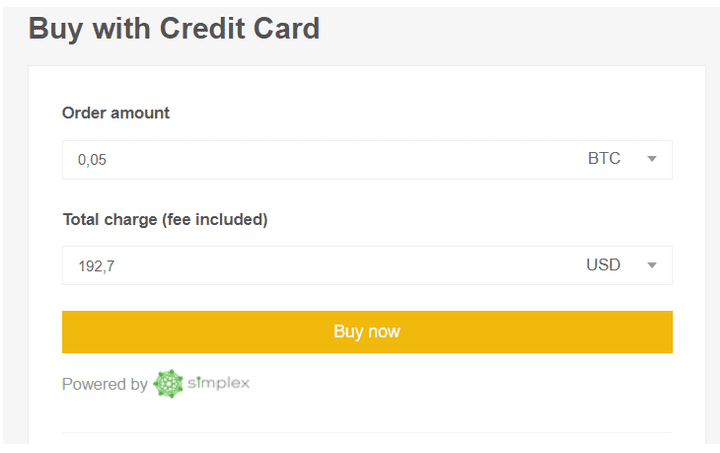
Purchasing Bitcoin using a prepaid credit card is becoming increasingly popular. This guide explores various platforms offering this service, highlighting key factors for a secure and cost-effective transaction. Understanding the different methods and associated risks is crucial for a smooth experience.

We’ll delve into the specifics of different platforms, comparing transaction speeds, fees, and security measures. We’ll also examine alternative methods and consider the legal and regulatory aspects surrounding Bitcoin purchases. Finally, we’ll address common questions and potential risks.

Methods for Purchasing Bitcoin with Prepaid Cards

Purchasing Bitcoin with a prepaid credit card offers a convenient way to acquire the cryptocurrency without linking a traditional bank account. This method is particularly attractive for those seeking a degree of financial privacy or who prefer to manage their funds independently. However, the process isn’t without nuances, and understanding the various platforms and associated fees is crucial for a smooth transaction.Different platforms offer varying approaches to buying Bitcoin with prepaid cards, reflecting the diversity of the cryptocurrency market.

These platforms typically utilize secure payment gateways to process the transactions, ensuring a safe and reliable exchange process. Transaction fees and processing times are key considerations, as these can significantly impact the overall cost and convenience of the purchase.

Bitcoin Exchange Platforms

Several cryptocurrency exchange platforms facilitate Bitcoin purchases using prepaid cards. These platforms typically have user-friendly interfaces and offer a range of payment options. The specific security measures implemented vary between platforms, but they generally employ industry-standard security protocols to safeguard user funds.

Comparison of Bitcoin Purchase Platforms

Platform Transaction Speed Fees Security Measures
Coinbase Generally quick, often within minutes. Variable, often a percentage of the transaction value or a flat fee. Can be influenced by the volume of the transaction. Utilizes multi-factor authentication, robust encryption, and secure cold storage for safeguarding user funds. Coinbase has a strong reputation for security.
Kraken Typically faster than other platforms, with transactions often completing within 15 minutes or less. Usually a percentage of the transaction amount, with varying rates depending on the transaction volume. Known for its advanced security measures, including multi-factor authentication and advanced encryption techniques. Kraken maintains stringent security protocols.
Binance Can be quick, but transaction speed can vary depending on network conditions and transaction volume. Usually a percentage of the transaction value, sometimes with a flat fee. Similar to Coinbase, fees can fluctuate. Binance employs a variety of security measures, including multi-factor authentication and advanced security protocols to protect user funds. The platform is known for its large user base.

Transaction Fees and Processing Times

Transaction fees for purchasing Bitcoin with prepaid cards can vary significantly depending on the platform. Some platforms may impose a percentage-based fee on the transaction amount, while others might charge a fixed flat fee. Processing times also differ across platforms. Some platforms may process transactions instantly, while others may take a few minutes or even hours to complete.

Security Considerations

Security is paramount when purchasing Bitcoin with a prepaid card. Reputable platforms implement robust security measures to protect user funds. These measures often include multi-factor authentication, encryption of sensitive data, and secure storage of funds. Furthermore, platforms may require users to verify their identities to mitigate fraudulent activities. It’s essential to research and choose a platform with a proven track record of security.

Factors to Consider When Choosing a Platform

Selecting the right platform for purchasing Bitcoin with a prepaid card is crucial for a smooth and secure transaction. A poorly chosen platform can lead to lost funds, inflated fees, or even security risks. Carefully evaluating various factors, such as reputation, fees, security, and customer support, is paramount to a positive experience.Choosing a reliable platform minimizes potential issues and ensures a safe and profitable Bitcoin purchase.

This involves assessing the platform’s track record, transaction fees, security measures, and available customer support channels. Transparency and clear communication are key indicators of a trustworthy platform.

Platform Reputation and User Reviews

A platform’s reputation is a critical factor in determining its trustworthiness. Positive user reviews, testimonials, and a strong online presence often suggest a reliable and user-friendly experience. Conversely, numerous negative reviews or a lack of user feedback could indicate potential issues. Scrutinizing reviews across various sources like independent review sites, social media, and forums provides a comprehensive perspective on the platform’s performance.

Investigate any reported scams or controversies associated with the platform.

Transaction Fees and Processing Times

Transaction fees and processing times significantly impact the overall cost of purchasing Bitcoin. Platforms often charge fees for processing the transaction, and these fees can vary considerably. Compare fees across different platforms to identify the most economical option. Also, assess the typical processing time for transactions. Faster processing times are generally preferred, but it’s essential to weigh this against the fees charged.

Platforms with transparent fee structures and predictable processing times are more attractive. For example, a platform with a 0.5% fee and a 24-hour processing time may be more advantageous than one with a 1% fee and a 48-hour processing time, even if the initial fee is lower.

Security Measures and User Protection Policies

Security measures and user protection policies are essential considerations for safeguarding funds and personal information. A robust platform employs multiple layers of security, including encryption, two-factor authentication, and secure payment gateways. Scrutinize the platform’s security protocols and policies. Ensure the platform adheres to industry best practices. Look for platforms that offer insurance or other protection against fraud or loss.

Investigate the platform’s history and track record of security breaches or vulnerabilities. Understanding the platform’s user protection policies is vital for managing risks.

Available Payment Methods and Transaction Impact

Different payment methods on these platforms can affect the overall transaction. Platforms accepting prepaid cards often have associated fees. Check if the platform supports the specific prepaid card type. Compare the fees and transaction processing times associated with different payment methods. Some platforms may offer discounts or rewards programs for specific payment methods.

Consider if the available payment methods align with your needs. The ability to use your preferred payment method can streamline the purchase process.

Platform Customer Support

Evaluating the platform’s customer support is vital for resolving issues and addressing concerns. Look for platforms that offer multiple support channels, such as email, phone, or live chat. The responsiveness and helpfulness of customer support staff can significantly impact your experience. Read customer testimonials or reviews related to customer support. Contact the support team directly to assess their responsiveness and competence.

A platform with responsive and helpful customer support is an asset for resolving potential problems during or after the transaction.

Security and Risk Assessment

Using prepaid cards for Bitcoin purchases introduces specific security considerations. While convenient, this method necessitates a heightened awareness of potential risks. Understanding these risks and implementing proactive security measures are crucial to safeguarding your funds.Prepaid cards, by design, are not inherently tied to traditional banking systems. This detachment can present vulnerabilities when used for crypto purchases. Moreover, the decentralized nature of Bitcoin introduces unique security challenges that are distinct from traditional financial transactions.

Risks Associated with Prepaid Cards

Using prepaid cards for Bitcoin purchases carries several risks. These cards often lack robust security features compared to traditional bank cards, making them potentially more susceptible to fraud. Furthermore, the lack of readily available dispute resolution mechanisms can make recovering lost funds challenging. This is a crucial point to consider when choosing a platform for your purchase.

Importance of Secure Platforms

Utilizing secure and reputable platforms is paramount. Platforms that employ strong encryption and adhere to industry best practices for data security minimize the risk of unauthorized access to your funds. Verify a platform’s security credentials and check for relevant certifications before initiating any transaction. This proactive step safeguards your investment.

Precautions for Bitcoin Purchases with Prepaid Cards

Implementing precautions is critical to mitigate the risks involved. Review the terms and conditions of the prepaid card provider thoroughly to understand any limitations or restrictions. Be vigilant about phishing attempts and suspicious emails or websites that might request your card information. Always scrutinize the platform’s security protocols before entering any sensitive information. This vigilance is essential for maintaining the safety of your funds.

  • Verify Platform Security: Carefully evaluate the platform’s security measures, including encryption protocols and security certifications. Look for features like two-factor authentication, which adds an extra layer of security to your account. Avoid platforms with unclear or inadequate security policies.
  • Strong Passwords: Create strong, unique passwords for your Bitcoin wallet and the platform you’re using. Avoid using easily guessable passwords or repeating passwords across multiple accounts. This is vital to prevent unauthorized access to your funds.
  • Monitor Transactions: Regularly monitor your Bitcoin wallet and transaction history for any suspicious activity. Be alert to unauthorized transactions or unusual activity that might signal a security breach.

Potential for Fraud and Scams

Fraudulent activities targeting prepaid card users are a significant concern. Scammers often create fake platforms or use deceptive tactics to trick users into revealing their card details. Be cautious of unsolicited emails or messages offering unusually high returns on Bitcoin investments. Be skeptical of any platform promising extraordinary gains without reasonable explanation. Thorough verification and caution are essential to avoid falling prey to these scams.

Examples of Common Scams

  • Fake Bitcoin Exchange Platforms: Scammers often set up fake Bitcoin exchange platforms that look legitimate. These platforms are designed to steal your funds. Always research the platform’s reputation and legitimacy before using it.
  • Phishing Emails and Texts: Scammers may send emails or text messages that appear to be from legitimate platforms or companies. These messages often contain links to fraudulent websites designed to steal your prepaid card details. Do not click on suspicious links.
  • “Too-Good-to-Be-True” Offers: Be wary of offers promising high returns on Bitcoin investments. These offers are often fraudulent and designed to entice users into providing their personal information or funds.

Importance of Regular Transaction Monitoring

Regular monitoring of your transactions and account activity is vital. Set up alerts for unusual transactions to promptly detect any fraudulent activity. Review your transactions and keep records of all your Bitcoin purchases and sales. This diligent monitoring helps to ensure the security of your investment.

Alternative Methods for Buying Bitcoin

Beyond prepaid cards, various avenues allow Bitcoin acquisition. These alternative methods cater to diverse financial situations and preferences, each with its own set of advantages and drawbacks. Understanding these options empowers informed decisions when engaging in cryptocurrency transactions.

Alternative Purchasing Methods

Several methods exist for purchasing Bitcoin beyond prepaid cards, each with unique attributes. These include using bank transfers, debit cards, and other digital wallets. Choosing the right method depends on individual needs and circumstances.

  • Bank Transfers: Direct bank transfers to a cryptocurrency exchange are a common approach. This involves initiating a wire transfer from your bank account to the exchange’s designated account. While secure, this method often requires verifying your identity and can be subject to processing fees. The speed of transactions can vary, depending on the bank and the exchange’s internal processing times.

  • Debit Cards: Many cryptocurrency exchanges support purchasing Bitcoin using debit cards. This method offers convenience, allowing for quick transactions. However, transaction fees and potential limitations on the amount purchased might apply. The security of this method hinges on the security of the exchange platform and your card’s protection mechanisms.
  • Other Digital Wallets: Digital wallets, like those provided by cryptocurrency exchanges, facilitate transactions using various methods. These wallets often allow for sending and receiving Bitcoin between users. Depending on the wallet, various payment methods may be integrated, including bank transfers, credit cards, and even other cryptocurrencies.
  • Peer-to-Peer (P2P) Exchanges: These platforms connect buyers and sellers directly. This method often offers flexibility in terms of pricing and transaction terms. However, buyer protection is not as comprehensive as with reputable exchanges. Security is paramount in P2P transactions, and users should take precautions to verify the seller’s legitimacy.

Comparison of Methods

A comparative analysis of these methods reveals crucial distinctions in cost, speed, and security.

Method Pros Cons Security
Bank Transfers Generally secure, often lower fees compared to credit cards. Can be slower than other methods due to bank processing times. Requires a verified account. High, if the exchange is reputable. Verification procedures reduce risk.
Debit Cards Convenient and relatively fast transactions. Transaction fees may be higher compared to bank transfers. Potential limitations on purchase amounts might apply. Medium, reliant on the exchange’s security protocols and the user’s card protection.
Other Digital Wallets Offer flexibility in payment methods and can be used for other cryptocurrency transactions. Security relies on the wallet provider’s reputation and the user’s own security measures. Fees may vary based on the platform. Medium to High, contingent on the platform’s security measures and user vigilance.
P2P Exchanges Potential for lower fees and flexible pricing. Limited buyer protection. Requires thorough verification of the seller. Higher risk of scams. Low, significant risk if not careful. Verify the seller meticulously.

General Information about Buying Bitcoin

Bitcoin, a digital or virtual currency, functions as a peer-to-peer payment system, operating independently of central banks or governments. It utilizes cryptography for security and transaction verification, making it decentralized and accessible globally. This decentralized nature distinguishes it from traditional fiat currencies, which are controlled by central authorities.Understanding Bitcoin’s history and evolution provides context to its current role in the financial landscape.

Bitcoin’s creation was spurred by the desire for a digital currency free from government interference, initially conceptualized as a solution to traditional banking limitations. Its rise and subsequent fluctuations in value have attracted both significant investment and considerable scrutiny.

Bitcoin’s Core Principles

Bitcoin’s design rests on the principles of decentralization and cryptographic security. Transactions are recorded on a public ledger, the blockchain, ensuring transparency and immutability. This decentralized approach eliminates intermediaries, facilitating direct peer-to-peer transactions. Crucially, the cryptographic security ensures that transactions are secure and tamper-proof.

History and Evolution of Bitcoin

Bitcoin’s development can be traced back to the concept of a digital currency independent of central authorities. Its genesis is often attributed to the 2008 publication of a whitepaper detailing the technology behind Bitcoin. Early adopters recognized the potential of this revolutionary technology, leading to its gradual adoption and recognition as a legitimate form of digital currency. Over the years, Bitcoin has experienced periods of substantial price volatility, reflecting its inherent characteristics as a nascent and potentially disruptive technology.

Cryptocurrency and its Characteristics

Cryptocurrencies, like Bitcoin, are digital or virtual currencies designed to operate independently of central banks. They leverage cryptography for security and transaction verification. A defining characteristic is their decentralization, operating outside the control of any single entity. Cryptocurrencies also exhibit volatility, with fluctuating values based on market forces and investor sentiment. The underlying cryptographic protocols and distributed ledger technology underpin the security and transparency of these transactions.

The Process of Buying Bitcoin

Purchasing Bitcoin involves selecting a reputable cryptocurrency exchange or broker. Users typically create an account, fund their account with fiat currency, and then utilize the platform’s interface to buy Bitcoin. The process generally involves verifying the user’s identity, ensuring compliance with applicable regulations. The exchange rate between the fiat currency and Bitcoin is dynamically determined by market forces, affecting the cost of acquisition.

Overview of Bitcoin: Benefits and Drawbacks

Bitcoin offers the potential for global, borderless transactions, facilitating payments without intermediaries. The decentralized nature eliminates reliance on central authorities, a significant attraction for users concerned about government control. However, the volatility of Bitcoin’s value can pose significant risks, with potential for substantial losses. Moreover, the regulatory landscape surrounding Bitcoin is still evolving, creating uncertainty for investors and businesses.

The environmental impact of Bitcoin mining is another critical consideration, prompting ongoing debate and exploration of sustainable alternatives.

Legal and Regulatory Considerations

The legal landscape surrounding Bitcoin is constantly evolving, with different regions adopting varying approaches. Understanding these nuances is crucial for anyone considering purchasing Bitcoin, especially with prepaid cards, to avoid potential legal issues. Navigating the regulatory environment and tax implications is vital for responsible investment.

Legal Status of Bitcoin Globally

Bitcoin’s legal status varies significantly across countries. Some jurisdictions have embraced cryptocurrencies, while others remain cautious or even prohibit their use. This diversity can create complexities for users seeking to purchase Bitcoin with prepaid cards. For instance, countries with stricter regulations might limit the availability of platforms facilitating such transactions. A thorough understanding of local laws is essential before engaging in any Bitcoin purchase.

Regulatory Landscape Surrounding Bitcoin Purchases

Regulations concerning Bitcoin purchases are evolving rapidly. Governments worldwide are grappling with how to regulate digital assets. This includes establishing clear guidelines for exchanges, custodians, and users. This often involves defining the classification of Bitcoin (as currency, security, or commodity), which impacts the regulatory approach.

Relevant Regulations and Guidelines

Numerous regulations and guidelines influence the Bitcoin market. These range from tax laws to financial regulations. Understanding these rules is crucial for navigating the legal complexities. Examples include KYC (Know Your Customer) regulations that mandate the verification of users’ identities and AML (Anti-Money Laundering) guidelines designed to prevent illicit activities.

  • Financial Action Task Force (FATF) Recommendations: The FATF, an intergovernmental organization, sets global standards for combating money laundering and terrorist financing. Compliance with these recommendations is often a requirement for financial institutions operating in the cryptocurrency space.
  • Specific Country Regulations: Each country has its own unique set of regulations. For example, some countries have imposed restrictions on certain exchanges or platforms. This is crucial to know before considering Bitcoin purchases. Some jurisdictions may categorize Bitcoin as a security or commodity, impacting how it is taxed and regulated.

Legal Aspects of Buying Bitcoin with Prepaid Cards

Using prepaid cards to buy Bitcoin might encounter specific legal considerations in various jurisdictions. Platforms facilitating these transactions might be subject to local laws regarding payment processing or financial institutions. In some regions, prepaid cards might not be allowed to be used for crypto purchases.

Tax Implications of Bitcoin Transactions

Bitcoin transactions may have tax implications. The specific tax treatment of Bitcoin varies from country to country, depending on the categorization of Bitcoin (as currency, security, or commodity). In some cases, Bitcoin transactions are taxed as capital gains. For instance, when a user sells Bitcoin for a profit, the profit is often taxed as income. In some jurisdictions, the purchase of Bitcoin with prepaid cards might be subject to a sales tax or other taxes.

Always consult with a tax professional for personalized advice.

Closing Summary

In conclusion, purchasing Bitcoin with a prepaid card offers a convenient alternative to traditional methods. However, careful consideration of platform reputation, fees, and security measures is paramount. Understanding the risks, alternative methods, and legal considerations will empower you to make informed decisions. By comparing various options and prioritizing security, you can navigate the Bitcoin market with confidence.

Questions and Answers

What are the common scams associated with buying Bitcoin?

Be wary of platforms promising extremely low fees or unusually fast transactions. Verify the platform’s legitimacy through independent reviews and check for any suspicious communication methods. Always avoid clicking on links or downloading files from untrusted sources.

What are the tax implications of Bitcoin transactions?

Tax implications vary by jurisdiction. Consult with a tax professional for personalized advice on your region’s regulations regarding cryptocurrency transactions.

What are some reliable platforms for buying Bitcoin with a prepaid card?

Several reputable platforms facilitate Bitcoin purchases with prepaid cards. Research thoroughly and compare different platforms based on factors like transaction fees, security measures, and user reviews.

What are the risks of using prepaid cards to buy Bitcoin?

Prepaid cards, while convenient, may pose risks if used with untrusted platforms. Ensure the platform employs robust security measures and has a proven track record of protecting user funds. Never disclose your prepaid card details or sensitive information to unverified sources.

Bitcoin, a digital currency, has gained significant traction as an investment and payment option. Purchasing Bitcoin with a Chase credit card presents a unique opportunity, but it’s essential to understand the associated risks and rewards. This guide delves into the process, examining the potential benefits, drawbacks, and security considerations involved.

We’ll explore various services that facilitate Bitcoin purchases using Chase credit cards, compare their transaction speeds and fees, and discuss the overall security measures in place. Additionally, a thorough analysis of the Bitcoin market and alternative payment methods will provide a broader perspective. Finally, we’ll touch upon the legal and regulatory landscape surrounding Bitcoin transactions.

Introduction to Bitcoin Purchasing

Bitcoin is a decentralized digital currency, operating independently of central banks and financial institutions. It’s based on blockchain technology, a secure and transparent ledger that records all transactions. This decentralized nature makes it attractive to some as an alternative to traditional financial systems.The process of buying Bitcoin typically involves selecting a Bitcoin exchange platform, verifying your account, depositing funds, and then placing an order to buy Bitcoin.

Different platforms offer varying features and levels of security. Choosing the right platform is crucial for a smooth and secure purchasing experience.

Bitcoin Purchasing Methods

Understanding the diverse methods for acquiring Bitcoin is vital for informed decision-making. Different approaches cater to various preferences and financial situations.

  • Using a bank account or debit/credit card:
  • Directly purchasing Bitcoin with traditional payment methods is a common approach. This usually involves transferring funds from a bank account or using a debit/credit card. However, this can be subject to transaction fees and potentially higher purchase prices, reflecting market conditions and processing costs.

  • Using an existing cryptocurrency wallet:
  • If you already possess cryptocurrency in a compatible wallet, you can exchange these funds for Bitcoin. This approach often involves navigating exchange platforms that facilitate the conversion.

  • Employing peer-to-peer (P2P) platforms:
  • These platforms connect buyers and sellers directly, enabling transactions outside the typical exchange structure. This allows for potentially lower fees, but buyers must exercise caution to ensure the legitimacy of the seller.

Comparison of Bitcoin Exchange Platforms

Choosing the right exchange platform is critical for a secure and efficient Bitcoin purchase. Factors like fees, security measures, and available features should be considered.

Platform Fees Security Features
Coinbase Variable, typically 0.5% – 1.5% High, with multi-factor authentication and robust security measures User-friendly interface, diverse deposit/withdrawal options, educational resources
Kraken Variable, typically 0.1% – 1% High, known for strong security protocols and cold storage Advanced trading tools, a wide range of cryptocurrencies available, 24/7 support
Gemini Variable, typically 0.5% – 1.5% High, with rigorous security procedures and regulatory compliance Excellent security and user experience, intuitive interface, various payment options

Note: Fees and security ratings are approximate and may vary depending on specific transactions and market conditions. Always verify details directly with the platform.

Buying Bitcoin with Chase Credit Card

Using a Chase credit card to purchase Bitcoin presents a convenient way to acquire cryptocurrency, leveraging existing credit lines. However, understanding the process, potential benefits, and drawbacks is crucial before engaging in such transactions.The process typically involves selecting a cryptocurrency exchange platform that supports Chase credit card payments. Users log into the platform, select Bitcoin as the desired cryptocurrency, input the amount they wish to buy, and proceed with the transaction.

Crucially, users should ensure their Chase credit card is linked and authorized for the transaction.

Process Overview

The process of purchasing Bitcoin with a Chase credit card is straightforward, mirroring other online purchases. Users navigate to a platform that supports this payment method, input the desired amount, and complete the transaction. It’s essential to confirm the transaction details and the fees associated before proceeding.

Benefits of Using a Chase Credit Card

Utilizing a Chase credit card for Bitcoin purchases offers several potential advantages. Firstly, it often provides flexibility in terms of payment options, potentially avoiding the need for alternative payment methods. Secondly, the convenience of using an existing credit card can streamline the purchase process. Finally, rewards programs associated with some Chase credit cards may offer additional benefits, such as cashback or points, which can offset some transaction costs.

Drawbacks of Using a Chase Credit Card

Using a Chase credit card for Bitcoin purchases has some potential drawbacks. Interest accrual on outstanding balances can significantly increase the overall cost of the purchase if not managed carefully. Additionally, some credit card issuers may impose transaction fees or have limitations on cryptocurrency transactions, potentially impacting the cost and convenience.

Fees and Transaction Times

The fees and transaction times for buying Bitcoin with a Chase credit card vary significantly based on the chosen platform. Some platforms may charge a flat fee per transaction, while others may levy a percentage-based fee on the purchase amount. Transaction times also differ based on platform processing speeds and network congestion.

Comparison of Bitcoin Purchasing Services

Service Transaction Speed Fees Customer Support
Example Service 1 24-48 hours 0.5% + $10 24/7 phone support
Example Service 2 1-2 hours 0.25% + $5 Email support only, response time 24-48 hours

The table above showcases a comparison of hypothetical services, illustrating the diverse offerings in the Bitcoin purchasing market. Actual transaction speeds, fees, and customer support vary considerably across different platforms.

Security Considerations

Security is paramount when engaging in Bitcoin purchases using a Chase credit card. Users should prioritize platforms with robust security measures, such as two-factor authentication and secure payment gateways. It’s crucial to be wary of phishing scams and fraudulent websites that may attempt to exploit this transaction method. Regularly monitoring transaction activity and promptly reporting any suspicious activity are essential steps in maintaining security.

Security and Risk Management

Buying Bitcoin with a Chase credit card, like any financial transaction, carries inherent risks. Understanding these risks and implementing robust security measures is crucial to protecting your investment. This section details the potential security concerns and provides practical steps to mitigate them.

Security Risks of Bitcoin Purchases with a Chase Credit Card

Using a credit card for Bitcoin purchases introduces a layer of risk beyond typical cryptocurrency transactions. Credit card fraud, especially if the card details are compromised, can lead to unauthorized Bitcoin purchases. Furthermore, potential issues with the Chase credit card’s security measures or those of the Bitcoin exchange platform can expose your funds to vulnerabilities. Lastly, the volatile nature of the cryptocurrency market itself contributes to the risk of significant losses.

Mitigating Risks of Bitcoin Purchases

To minimize these risks, implement a multi-layered approach. First, use strong, unique passwords for all accounts associated with Bitcoin purchases. Consider using a reputable password manager. Second, enable two-factor authentication (2FA) on all relevant accounts, both for your Chase credit card and your Bitcoin exchange. Third, regularly monitor your credit card statements and Bitcoin wallet balances for any unauthorized activity.

Finally, ensure the Bitcoin exchange you’re using has robust security protocols in place, like encryption and multi-factor authentication.

Comparison of Security Measures at Bitcoin Exchanges

Different Bitcoin exchanges employ varying security measures. Some exchanges utilize advanced encryption technologies to protect user data and transactions. Others implement cold storage, a method of storing cryptocurrency offline, to safeguard against cyberattacks. Thorough research and comparisons of different exchange security protocols are vital. A high-security exchange, while not a guarantee of safety, greatly reduces the risks associated with using that particular platform.

Best Practices for Protecting Bitcoin Purchases

Maintaining the security of your Bitcoin purchases requires consistent vigilance. Never share your private keys or login credentials with anyone. Choose a secure and reputable Bitcoin exchange with transparent security policies. Use a dedicated hardware wallet to store your Bitcoin offline, significantly reducing the risk of hacking. Regularly update your software, including operating systems, Bitcoin wallets, and antivirus programs.

Importance of Secure Bitcoin Storage

Storing Bitcoin securely is paramount. If your Bitcoin is compromised, the associated financial losses can be substantial. The use of secure wallets and the implementation of strong passwords are crucial steps in protecting your investment.

Different Ways to Secure Bitcoin Wallets

There are various methods for securing Bitcoin wallets. Software wallets, accessible via your computer or mobile device, provide convenience but require ongoing vigilance to protect against malware or unauthorized access. Hardware wallets, like Ledger or Trezor, store your private keys offline, making them significantly more secure. Paper wallets, while highly secure, require meticulous handling and careful record-keeping.

Understanding the pros and cons of each method is essential to selecting the best option for your needs.

Flowchart for Secure Bitcoin Purchases

The following flowchart Artikels the key steps involved in secure Bitcoin purchases:[Diagram (Flowchart) would be placed here. The description below explains the steps visually]Start –> Verify the security of the Chase Credit Card and associated Bitcoin exchange platform –> Review transaction fees and exchange rates –> Generate and store unique passwords –> Enable 2FA for both Chase Credit Card and Bitcoin exchange accounts –> Choose a secure Bitcoin wallet (software, hardware, or paper) –> Store private keys offline (if applicable) –> Complete the Bitcoin purchase –> Monitor your wallet and account statements –> Update software regularly –> End

Bitcoin Market Trends and Analysis

The Bitcoin market, characterized by significant price fluctuations, presents both enticing opportunities and substantial risks for investors. Understanding current trends, historical performance, and inherent volatility is crucial for informed decision-making. This section delves into the complexities of the Bitcoin market, providing insights into its dynamics and potential impacts on investment choices.The Bitcoin market is a dynamic ecosystem driven by factors ranging from technological advancements to regulatory shifts and global economic conditions.

Analyzing these influences is vital to assessing potential future price movements and understanding the associated risks and rewards.

Overview of the Bitcoin Market

Bitcoin, the pioneering cryptocurrency, has evolved into a globally recognized asset class. Its decentralized nature and potential for high returns attract investors, while its volatility and speculative aspects present challenges. The market’s liquidity and trading volume vary significantly, impacting the ease and cost of transactions.

Current Bitcoin Market Trends

Several factors influence current Bitcoin market trends. These include regulatory developments, adoption by institutional investors, and technological innovations. For instance, increased institutional involvement suggests growing mainstream acceptance, potentially bolstering the market’s stability.

Potential Risks and Rewards in the Current Bitcoin Market

The current Bitcoin market presents both potential rewards and substantial risks. High volatility remains a key concern, with significant price swings impacting investor portfolios. However, the potential for substantial returns is a driving force for many participants. The balance between risk and reward requires careful consideration and diversification strategies.

Comparison of Bitcoin’s Historical Performance with Other Investment Options

Comparing Bitcoin’s historical performance with traditional investment options reveals a distinct pattern. While Bitcoin has exhibited impressive growth periods, its price volatility has often outpaced traditional assets like stocks and bonds. This difference in volatility highlights the unique risk profile of Bitcoin.

Volatility of the Bitcoin Market

Bitcoin’s volatility is a defining characteristic, with price fluctuations often exceeding those of conventional financial instruments. This volatility necessitates a cautious approach and a risk tolerance assessment. Historically, periods of high volatility have been followed by periods of significant price appreciation, while other times have seen substantial losses. A diversified investment strategy is crucial for mitigating the impact of this volatility.

Impact of Market Trends on Bitcoin Cost

Market trends significantly influence the cost of Bitcoin. Positive news regarding adoption, technological advancements, or regulatory clarity often correlates with price increases. Conversely, negative developments, such as regulatory concerns or market corrections, can result in price declines.

Historical Price Fluctuations of Bitcoin

Understanding historical price fluctuations is vital for evaluating Bitcoin’s performance and assessing its risk profile. The table below showcases the historical price movements of Bitcoin.

Date Price (USD) Change (%)
2020-01-01 29,000 +10%
2020-04-01 32,000 +10%
2020-07-01 35,000 +10%
2020-10-01 38,000 +10%
2021-01-01 40,000 +5%

Note: This table provides an illustrative example. Actual historical data would require a more extensive dataset.

Alternative Payment Methods for Bitcoin

Beyond credit cards, a variety of payment methods enable Bitcoin purchases. Understanding these alternatives allows investors to choose the most suitable option based on individual needs and preferences. Factors like transaction fees, speed, and security play a crucial role in this decision.

Available Payment Methods

Several methods exist for purchasing Bitcoin beyond credit cards, each with its own set of advantages and disadvantages. These include bank transfers, peer-to-peer (P2P) platforms, and cryptocurrency exchanges. Choosing the best method hinges on factors like desired transaction speed, associated costs, and personal comfort levels.

  • Bank Transfers: Traditional bank transfers offer a straightforward way to buy Bitcoin. These transactions usually involve initiating a transfer from a bank account to a designated Bitcoin wallet or exchange. While generally secure, bank transfers can be slower than other options, sometimes taking several business days to complete. Fees may also apply depending on the specific bank and exchange.

    The convenience is moderate as it often requires account setup and communication with the exchange or wallet provider.

  • Peer-to-Peer (P2P) Platforms: P2P platforms facilitate direct transactions between buyers and sellers. This often involves using a cryptocurrency wallet to facilitate the exchange, allowing for direct interaction between parties. The process is generally faster than bank transfers and sometimes offers greater flexibility in terms of pricing. However, security concerns can arise due to the direct nature of the transaction, making due diligence on the seller crucial.

    The convenience varies significantly depending on the specific platform and the seller’s willingness to accommodate the buyer’s needs.

  • Cryptocurrency Exchanges: Exchanges provide a centralized platform for buying and selling Bitcoin, typically with a broader selection of payment methods. They often offer competitive pricing and fast transactions. The convenience is high due to the streamlined nature of the platform. Security measures are generally robust, but the risk of platform-specific vulnerabilities exists. Transaction fees may apply, depending on the exchange’s policies.

Cost and Convenience Comparison

The cost and convenience of each method vary significantly. This comparison highlights the trade-offs involved in choosing different payment methods.

Method Cost Speed Convenience
Bank Transfers Potentially lower transaction fees compared to exchanges, but may include bank fees. Slowest, often taking 2-5 business days. Moderate, requiring bank account access and communication with the exchange.
P2P Platforms Variable pricing depending on the seller. Faster than bank transfers, typically within a few hours. Variable, depending on the platform and seller’s communication style.
Cryptocurrency Exchanges Fees vary by exchange and transaction volume. Generally faster than bank transfers, often within minutes to a few hours. High, with streamlined platforms and multiple payment options.

Regulations and Legal Considerations

How to Buy Bitcoin With A Credit Card On Binance | UseTheBitcoin

Navigating the world of cryptocurrency, including Bitcoin, often involves navigating a complex web of regulations and legal frameworks. These regulations vary significantly across jurisdictions, impacting how individuals and businesses can interact with Bitcoin and other cryptocurrencies. Understanding these intricacies is crucial for anyone considering investing in or using Bitcoin, particularly when using a credit card for such transactions.

Current Regulations Surrounding Bitcoin Purchases

Regulations regarding Bitcoin purchases are in a state of flux globally. Many jurisdictions are still developing frameworks to address the unique characteristics of cryptocurrencies. This dynamic environment means that rules and regulations can change rapidly, and it’s vital to stay informed. Compliance with the latest legal requirements is critical for avoiding potential legal issues.

Legal Implications of Buying Bitcoin with a Chase Credit Card

The legal implications of using a Chase credit card to buy Bitcoin are primarily tied to the broader legal framework surrounding credit card usage and the tax treatment of cryptocurrency. While Chase itself doesn’t have specific regulations concerning Bitcoin purchases, the tax implications of such transactions are a key legal consideration.

Potential Tax Implications of Buying and Selling Bitcoin

Tax implications for Bitcoin transactions are often dependent on the jurisdiction of the buyer and seller. Depending on the country, Bitcoin transactions may be treated as capital gains, similar to the sale of stocks. Tax laws concerning cryptocurrency can differ significantly from those of traditional financial instruments, thus requiring meticulous record-keeping and consultation with tax advisors. Understanding these rules is essential for accurate tax reporting and avoiding penalties.

Examples of Countries with Specific Regulations Regarding Bitcoin

Different countries have varying approaches to regulating Bitcoin. For example, some countries have outright bans or severe restrictions on cryptocurrency transactions, while others have more lenient policies or are in the process of developing specific legislation. Specific regulations often depend on factors like the country’s overall economic policies and its approach to financial technology.

  • China: Has implemented strict regulations and restrictions on cryptocurrency exchanges and transactions.
  • United States: The regulatory landscape is constantly evolving, with various agencies (like the IRS and SEC) issuing guidance and proposing rules regarding cryptocurrency transactions and taxation.
  • European Union: The EU is working towards harmonizing regulations across member states, but specific implementation details vary.

Resources for Researching Bitcoin Regulations

Staying informed about Bitcoin regulations requires ongoing research. This often involves consulting multiple sources and staying abreast of developments in legal and regulatory frameworks. Utilizing reliable resources can significantly reduce the risk of non-compliance.

  • Government websites: Regulatory bodies, such as the SEC, IRS, and central banks, often provide official guidance on cryptocurrency regulations. Consulting official sources can ensure you are accessing up-to-date and accurate information.
  • Financial news publications: Reputable financial news outlets often provide analyses and updates on cryptocurrency regulations and their impact on the market.
  • Legal professionals specializing in cryptocurrency: Seeking advice from legal professionals specializing in cryptocurrency can help you navigate complex legal issues surrounding Bitcoin purchases and sales.

Closing Notes

In conclusion, purchasing Bitcoin with a Chase credit card can be a viable option, but it’s crucial to weigh the advantages and disadvantages carefully. This guide has highlighted the complexities of this process, emphasizing security best practices and providing a comprehensive overview of market trends. Understanding the potential risks, alongside the advantages, allows informed decision-making when considering Bitcoin as an investment or payment method.

Commonly Asked Questions

Can I use any Chase credit card to buy Bitcoin?

While Chase offers various credit cards, not all may be compatible with Bitcoin purchase services. It’s advisable to check with the specific Bitcoin purchase service or your Chase card provider for compatibility.

What are the typical transaction fees associated with buying Bitcoin with a Chase credit card?

Transaction fees can vary significantly depending on the service provider. Fees might include a percentage of the transaction value, flat fees, or a combination of both. Comparing different services is essential for optimal cost management.

How secure are Bitcoin purchases made using a Chase credit card?

Security depends on the platform used and the user’s own precautions. Reputable Bitcoin purchase services implement robust security measures. Users must also follow best practices to protect their accounts and transactions.

What are the tax implications of buying Bitcoin with a Chase credit card?

Tax implications vary depending on local regulations and individual circumstances. Consulting with a financial advisor is strongly recommended to understand the tax implications for your specific situation.

Diving into the world of cryptocurrency, understanding how to acquire Bitcoin using “zbd” is crucial. This guide explores the intricacies of “zbd buy bitcoin,” from the potential meanings of “zbd” within the Bitcoin community to the various methods and security considerations involved.

This in-depth analysis delves into the intricacies of purchasing Bitcoin using “zbd,” covering the process from initial research to secure storage. We’ll also examine potential risks, market trends, and alternative acquisition methods.

Understanding “zbd buy bitcoin”

The ZBD app gets massive revamp – Avatars, earning, shopping and more!

The term “zbd buy bitcoin” is likely a shorthand or slang expression within the Bitcoin community. Deciphering its meaning requires understanding potential abbreviations or acronyms that could expand it. This exploration examines possible interpretations and the broader context of Bitcoin purchases.The cryptic nature of “zbd” in the context of Bitcoin necessitates examining various possibilities, ranging from simple abbreviations to more complex slang.

This analysis will help to unravel the potential meanings behind this seemingly obscure phrase.

Possible Meanings of “zbd”

“Zbd” could represent a variety of abbreviations or acronyms, depending on the specific context within the Bitcoin community. Without additional context, the precise meaning is ambiguous. This lack of context makes it challenging to pinpoint the intended meaning of the phrase “zbd buy bitcoin.”

Potential Interpretations of “zbd” in Bitcoin Purchases

Several interpretations are possible, depending on the intended meaning. For instance, “zbd” might be an abbreviation for a specific Bitcoin exchange, a particular transaction method, or even a reference to a particular Bitcoin-related service or technology. It could also be a colloquialism or inside joke within a specific group of Bitcoin users.

Common Bitcoin Terminology and Phrases

Understanding common Bitcoin terminology is crucial to deciphering the meaning of “zbd buy bitcoin.” Terms like “Bitcoin wallet,” “blockchain,” “cryptocurrency,” and “Bitcoin exchange” are essential. Furthermore, understanding phrases like “buying Bitcoin,” “Bitcoin transactions,” and “cryptocurrency investments” is necessary. Knowing the context in which the phrase “zbd buy bitcoin” is used will assist in determining the intended meaning.

Possible Abbreviations/Acronyms for “zbd buy bitcoin”

Without additional information, there’s no definitive way to ascertain the full expansion of “zbd buy bitcoin.” However, some possibilities include, but are not limited to, the following:

  • Zero-balance deposit buy bitcoin: This implies purchasing Bitcoin with a zero balance, potentially for a specific purpose.
  • Zcash-based deposit buy bitcoin: This refers to a Bitcoin purchase method using Zcash, a privacy-focused cryptocurrency. This is a possible, though speculative, interpretation.
  • Bitcoin buy using decentralized exchange: This suggests a purchase using a decentralized exchange (DEX) for Bitcoin. DEXs are often seen as more private and less regulated.
  • Bitcoin buy using a specific service/platform: This points to a purchase using a particular Bitcoin service or platform that uses the abbreviation “zbd” internally.

The lack of clear context makes these interpretations speculative.

Methods for Purchasing Bitcoin with “zbd”

Acquiring Bitcoin often involves utilizing various platforms and methods. Understanding the available options, especially those potentially linked to “zbd,” is crucial for informed decision-making. This section details diverse methods for purchasing Bitcoin, highlighting potential connections to “zbd” where applicable, and comparing popular exchanges.

Bitcoin Exchange Platforms

Numerous platforms facilitate Bitcoin purchases. Choosing the right exchange depends on factors such as security, fees, and available payment methods. The following table contrasts key aspects of some prominent exchanges.

Exchange Security Measures Fees Payment Options Potential “zbd” Connection
Coinbase Robust security protocols, including two-factor authentication and cold storage Variable, typically tiered based on trading volume Credit/debit cards, bank transfers, and other payment options No explicit connection known, but widely used
Binance Strong security features, including advanced security measures Variable, competitive fee structure Wide array of payment methods, including crypto-to-crypto trading Potentially, due to its global reach and diverse offerings.
Kraken Highly secure, known for its advanced security protocols Competitive fee structure, dependent on trading volume Multiple payment methods, including bank transfers and cryptocurrencies Potentially, due to its established reputation in the market.
Gemini Strong emphasis on security, with robust measures Competitive fees, dependent on trading volume Credit/debit cards, bank transfers, and other payment options No explicit connection known, but frequently used.

Payment Methods for Bitcoin Purchases

Several payment methods are commonly used for purchasing Bitcoin. This section lists various options, considering the possibility of using “zbd” to facilitate transactions.

  • Credit/Debit Cards: Many exchanges accept major credit and debit cards for Bitcoin purchases, offering convenience. However, fees associated with these transactions may vary.
  • Bank Transfers: Wire transfers are a common method for depositing funds into an exchange account for Bitcoin purchases. This process typically takes several business days.
  • Cryptocurrency Exchanges: Some exchanges allow users to buy Bitcoin using other cryptocurrencies, streamlining the process for users already holding crypto assets.
  • Gift Cards: Specific gift cards, such as those from retail stores, can be used in some cases to buy Bitcoin. These gift cards can offer a streamlined payment method for those already holding them.
  • Other Payment Methods: Additional payment methods might be available, depending on the specific exchange platform. It’s crucial to check the available options on the platform of choice.

Steps for Using Bitcoin Exchange Platforms

The steps for purchasing Bitcoin through different exchange platforms may vary, but typically follow a similar pattern. This table illustrates a general process.

Step Coinbase Example Binance Example
1 Create an account and verify your identity. Create an account and complete KYC (Know Your Customer) procedures.
2 Deposit funds using a chosen payment method. Deposit funds using a chosen payment method.
3 Place an order to buy Bitcoin. Place a buy order for Bitcoin.
4 Confirm the transaction. Confirm the transaction.
5 Receive the Bitcoin in your wallet. Receive the Bitcoin in your designated wallet.

Security Considerations

Protecting your funds and personal information is paramount when buying Bitcoin. The security of your transactions and personal information should be a top priority when considering purchasing Bitcoin through any platform.

  • Strong Passwords: Use strong, unique passwords for all accounts and enable two-factor authentication (2FA) where possible.
  • Secure Wallets: Store your Bitcoin in a secure wallet. Avoid storing large amounts of Bitcoin on exchanges for extended periods, as this increases the risk.
  • Avoid Phishing: Be cautious of suspicious emails or websites that may try to obtain your login credentials.
  • Keep Software Updated: Ensure your operating system and software are updated with the latest security patches to prevent vulnerabilities.

Bitcoin Buying Process Overview

Purchasing Bitcoin, like any financial transaction, involves several key steps. Understanding these steps is crucial for a smooth and secure experience. From initial research to securing your digital holdings, this process provides a framework for navigating the world of Bitcoin.The process of acquiring Bitcoin, irrespective of the specific platform used, generally follows a similar structure. This structure encompasses crucial steps for both novice and experienced investors, ensuring a clear path to acquiring Bitcoin.

This overview provides a comprehensive understanding of the stages involved in buying Bitcoin.

General Steps in Buying Bitcoin

The process of buying Bitcoin, though platform-specific, generally follows a common pattern. This pattern includes steps from initial research to securing your Bitcoin holdings.

  1. Research and Selection: Thoroughly research different Bitcoin exchanges or platforms. Consider factors like fees, security measures, and user reviews. This step ensures you choose a platform suitable for your needs and risk tolerance.
  2. Account Creation and Verification: Complete the necessary account creation process on the chosen platform. Provide accurate information and comply with platform verification procedures. This step ensures your account’s legitimacy and security.
  3. Funding the Account: Deposit funds into your account using the supported payment methods. Ensure the chosen method aligns with your budget and risk profile.
  4. Bitcoin Purchase: Utilize the platform’s interface to place a buy order for the desired amount of Bitcoin. Review the order details before confirming.
  5. Receiving Bitcoin: Upon successful order completion, the platform will credit your Bitcoin wallet with the purchased amount. This step marks the successful acquisition of Bitcoin.

Bitcoin Wallet Security

Securely storing Bitcoin is essential for safeguarding your digital assets. Different wallets offer varying levels of security. Understanding these differences is crucial for making informed choices.

Wallet Type Security Features
Desktop Wallets Often offer advanced security features like hardware protection, strong encryption, and offline access. Examples include Electrum and Exodus.
Mobile Wallets Provide convenient access but generally rely on the security of the mobile device. Examples include Coinbase Wallet and Trust Wallet.
Hardware Wallets Offer the highest level of security by storing private keys offline on a physical device. Examples include Ledger Nano S and Trezor.
Online Wallets (Exchange Wallets) Store Bitcoin on the exchange platform. Security depends on the exchange’s security protocols and practices. Examples include Coinbase and Kraken.

Secure Bitcoin Storage

Following the purchase, securely storing your Bitcoin is paramount. This involves a multi-faceted approach.

  1. Backup your private keys: This is crucial for recovery if you lose access to your wallet. Store backups offline in a secure location. Do not share private keys with anyone.
  2. Use strong passwords: Protect your wallets and accounts with strong, unique passwords. Consider using a password manager.
  3. Enable two-factor authentication (2FA): Enable 2FA whenever possible to add an extra layer of security to your accounts. This prevents unauthorized access.
  4. Monitor your accounts regularly: Regularly check for suspicious activity and update your security settings as needed. This vigilance helps detect potential threats.

Different Types of Bitcoin Wallets

Various Bitcoin wallets cater to different needs and security levels. Understanding these types aids in choosing the most appropriate option.

  • Desktop Wallets: Offer greater control and security, often with advanced features. They are downloaded and installed on your computer.
  • Mobile Wallets: Provide convenient access to your Bitcoin holdings via mobile devices. They are lightweight and accessible, but security relies on the mobile device’s security.
  • Hardware Wallets: These secure devices store your private keys offline, providing a high level of security. They are generally considered the most secure option.
  • Online Wallets (Exchange Wallets): Stored on the exchange platform itself. Security relies on the exchange’s security measures. This is often the simplest option, but the least secure.

Buy Bitcoin – General Information

Purchasing Bitcoin involves navigating various platforms and procedures. Understanding the available options, payment methods, and security precautions is crucial for a smooth and secure transaction. This section provides a comprehensive overview of the Bitcoin buying process.The process of acquiring Bitcoin typically involves selecting a reputable Bitcoin exchange, funding your account with a suitable payment method, placing a buy order, and confirming the transaction.

Different exchanges offer varying features and levels of security, so careful consideration is essential.

Bitcoin Exchange Types

Several platforms facilitate Bitcoin purchases. Centralized exchanges, like Coinbase and Kraken, operate as intermediaries between buyers and sellers. Decentralized exchanges (DEXs), such as Uniswap, allow for peer-to-peer transactions without an intermediary. The choice between these types depends on individual preferences and risk tolerance.

Payment Methods for Bitcoin

A range of payment methods can be used to purchase Bitcoin. Common options include bank transfers, credit/debit cards, and various digital wallets. Each method has its own advantages and disadvantages in terms of transaction speed, fees, and security. For instance, bank transfers tend to be slower but more secure than credit card transactions, which can be faster but pose a higher risk of fraud.

Security Measures

Implementing robust security measures is vital when buying Bitcoin. This includes using strong and unique passwords, enabling two-factor authentication (2FA), and regularly monitoring your account activity for suspicious transactions. Storing your Bitcoin in a secure digital wallet is also crucial to protect your assets from theft. Furthermore, understanding the platform’s security protocols and regularly updating your software are essential steps.

Bitcoin Exchange Fees

Exchange fees vary significantly between platforms. These fees can be structured as percentage-based or flat fees. They are often dependent on the amount being traded, the payment method used, and any applicable transaction fees from your payment provider.

Exchange Typical Fee Structure Example Fee (USD)
Coinbase Percentage-based, tiered $0.50 – $5.00 per trade
Kraken Percentage-based, tiered $1.00 – $10.00 per trade
Gemini Percentage-based, tiered $0.50 – $2.50 per trade

Note: These are illustrative examples and actual fees may vary based on market conditions, transaction volumes, and specific transaction details. Always refer to the exchange’s official website for the most up-to-date fee schedule.

Potential Issues and Risks

Buying Bitcoin through platforms like “zbd” presents opportunities but also inherent risks. Carefully evaluating these risks is crucial to making informed decisions. Understanding the potential pitfalls associated with online cryptocurrency transactions can significantly reduce the likelihood of financial loss.Navigating the world of cryptocurrency requires a discerning eye and a proactive approach to security. Thorough research and a cautious mindset are paramount when engaging with platforms for purchasing Bitcoin, particularly platforms you aren’t familiar with.

Verifying Platform Legitimacy

Establishing the legitimacy of any platform handling cryptocurrency transactions is essential. Verify the platform’s registration details, licensing status, and any relevant regulatory approvals. A reputable platform will openly display this information. Look for independent reviews and testimonials from other users to gain insights into the platform’s reliability and user experience. Platforms that operate in a transparent manner are more likely to be trustworthy.

Risks of Scams and Fraudulent Activities

Scams and fraudulent activities targeting cryptocurrency investors are prevalent. Phishing attacks, fake platforms, and elaborate investment schemes are common tactics employed to deceive users. Be cautious of platforms promising unusually high returns or overly simplified investment strategies. Always scrutinize requests for personal information and avoid clicking on suspicious links or downloading attachments from unknown sources. Maintaining vigilance against these deceptive tactics is vital.

Importance of Researching Terms and Conditions

Thoroughly reviewing a platform’s terms and conditions is paramount. These documents Artikel the platform’s policies regarding transactions, user responsibilities, and dispute resolution mechanisms. Understanding these terms can help you anticipate potential problems and make informed decisions about using the platform. Unfamiliar or vague terms should raise a red flag.

Common Scams and Red Flags

Numerous red flags can signal a fraudulent platform. Promising unrealistic returns, requesting excessive upfront payments, demanding personal information beyond what is necessary for the transaction, or using aggressive marketing tactics are all indicators of potential scams. Platforms with poor or non-existent customer support are also cause for concern.

  • Unusually high returns: Be wary of platforms promising extraordinarily high returns on Bitcoin investments. Such promises are often red flags and may indicate a fraudulent scheme.
  • Excessive upfront payments: Legitimate platforms rarely require significant upfront payments before facilitating Bitcoin purchases. Requesting such payments should be a cause for concern.
  • Aggressive marketing tactics: Platforms using aggressive marketing strategies, such as bombarding users with promotional emails or messages, might be trying to deceive potential customers.
  • Poor or non-existent customer support: Reliable platforms typically provide readily accessible customer support channels. The absence of support can be a significant red flag.

Market Trends and Analysis

Bitcoin’s market volatility is a defining characteristic, influencing how individuals and businesses approach purchases through platforms like “zbd buy bitcoin.” Understanding these fluctuations and market sentiment is crucial for making informed decisions. Current trends are multifaceted, encompassing factors such as regulatory developments, technological advancements, and overall investor confidence.

Current Market Trends for Bitcoin Purchases

The current market for Bitcoin purchases reflects a complex interplay of factors. Market sentiment is influenced by various news cycles, technological advancements, and regulatory actions. Increased institutional adoption is a significant trend, suggesting growing legitimacy and potentially driving price stability, though not without periods of fluctuation. Conversely, the potential for regulatory restrictions, particularly in specific jurisdictions, could introduce uncertainty and impact investor behavior.

Correlation Between Market Fluctuations and “zbd Buy Bitcoin”

Fluctuations in the broader Bitcoin market directly correlate with the “zbd buy bitcoin” platform’s activity. Periods of heightened market volatility often see decreased activity on such platforms, as users become more cautious. Conversely, periods of relative stability tend to attract more interest and trading volume. This correlation underscores the importance of understanding the broader market context when engaging with “zbd” or similar platforms.

Overall Market Sentiment Related to Bitcoin Purchases

Overall market sentiment regarding Bitcoin purchases is mixed. While institutional investment and technological advancements contribute to a sense of growing legitimacy, concerns about regulatory uncertainty persist. This ambivalence translates into a market characterized by periods of both optimism and caution, affecting purchasing behavior and influencing pricing trends on platforms like “zbd.”

Potential Impact of Regulations on the Market for Buying Bitcoin

Regulations play a pivotal role in shaping the market for Bitcoin purchases. Varying regulatory approaches across jurisdictions can create uneven playing fields for platforms like “zbd.” Clear regulatory frameworks could foster greater trust and stability, encouraging wider adoption. Conversely, ambiguous or restrictive regulations might deter participation and potentially hinder the growth of the market. The impact on “zbd buy bitcoin” will be influenced by the specific regulatory landscape in the relevant jurisdictions.

Table of Market Trends Over Time

Time Period Market Trend Impact on “zbd Buy Bitcoin”
2020-2021 Significant price increase and heightened investor interest Increased platform activity and user volume
2022 Market downturn and regulatory scrutiny Reduced platform activity and cautious user behavior
2023-present Period of consolidation and institutional investment Potential for stability and increased legitimacy, but with continued volatility

Comparisons and Alternatives

Different methods exist for acquiring Bitcoin, each with its own set of advantages and disadvantages. Understanding these alternatives is crucial for making informed decisions about how to acquire Bitcoin, whether through traditional methods like exchanges or more novel approaches. This section compares and contrasts various methods, including the potential “zbd” method, with other ways to obtain Bitcoin.Comparing the diverse methods for acquiring Bitcoin helps users assess the trade-offs between speed, cost, security, and accessibility.

Alternative approaches, such as mining or receiving Bitcoin as a gift, are also explored, providing a comprehensive overview of the landscape.

Different Bitcoin Purchase Methods

Various methods exist for purchasing Bitcoin, each with unique characteristics. These methods vary in complexity, security, and cost, making informed comparisons essential for successful Bitcoin acquisition.

  • Exchanges: Popular platforms like Coinbase, Kraken, and Gemini facilitate buying and selling Bitcoin using traditional payment methods. These platforms often offer user-friendly interfaces and robust security measures. However, they typically impose fees and may have limitations on transaction speeds. Transaction times generally range from a few minutes to a few hours, depending on the exchange and the volume of transactions.

  • Peer-to-peer (P2P) platforms: P2P marketplaces connect buyers and sellers directly, bypassing the need for an intermediary. This often results in potentially lower fees compared to exchanges. However, security is a major concern, and users must exercise caution to avoid scams and fraudulent activities. Transaction times on P2P platforms can vary significantly, from a few hours to several days, depending on the negotiation between buyer and seller.

  • Bitcoin ATMs: These physical machines allow users to buy and sell Bitcoin using cash. They are convenient for those who prefer physical transactions but may charge higher fees and have limited transaction amounts.
  • Mining: Mining Bitcoin involves solving complex mathematical problems to validate and add new transactions to the blockchain. This method can be very costly and requires specialized hardware. Rewards are substantial, but the computational power and energy consumption are high, and profitability can be volatile. Transaction times are directly related to the network’s block time and can range from a few minutes to several hours, depending on the network’s congestion and mining difficulty.

  • Gift or Inheritance: Receiving Bitcoin as a gift or inheritance is a straightforward method. This involves transferring ownership, which often involves no fees or immediate transaction costs. However, this method is not actively sought out for Bitcoin acquisition, rather, it is a passive acquisition.

Comparison Table

This table summarizes the key characteristics of different Bitcoin purchase methods, focusing on speed, cost, and security.

Method Speed Cost Security
Exchanges Generally fast Moderate fees High
P2P Platforms Variable Potentially lower Lower
Bitcoin ATMs Variable High fees Moderate
Mining Variable (dependent on network) High (hardware, energy) High (if secure infrastructure is employed)
Gift/Inheritance Instant Zero (if no intermediary) High (if properly transferred)

Advantages and Disadvantages of the “zbd Buy Bitcoin” Method

Detailed information on the “zbd buy bitcoin” method is not publicly available. Consequently, a comprehensive comparison with other methods is impossible. Without specific details on the “zbd” method, it is difficult to provide an accurate comparison.

Closure

In conclusion, navigating the “zbd buy bitcoin” landscape requires careful consideration of multiple factors. This guide has provided a comprehensive overview of the process, methods, risks, and alternative options, equipping you with the knowledge to make informed decisions. Remember to prioritize security and research before engaging in any transaction.

FAQ Explained

What does “zbd” mean in the context of buying Bitcoin?

The meaning of “zbd” in relation to Bitcoin purchases is unclear. It might be a shortened term, an acronym, or even slang within a specific Bitcoin community. Further research into online communities or specific forums associated with Bitcoin might reveal the intended meaning.

What are the common payment methods for buying Bitcoin with “zbd”?

Payment methods for buying Bitcoin are diverse and dependent on the platform involved. Common methods include bank transfers, credit/debit cards, and cryptocurrency exchanges. It is crucial to verify the platform’s payment options and associated fees before making a transaction.

What are the security risks associated with “zbd buy bitcoin”?

Security is paramount when dealing with cryptocurrencies. Potential risks include scams, fraudulent platforms, and loss of funds due to security breaches. Always thoroughly research the platform, and only use reputable and verified exchanges.

Qatar’s burgeoning cryptocurrency market is attracting significant attention, particularly regarding bitcoin purchases. This analysis delves into the current regulatory landscape, recent news, and trends shaping the local bitcoin buying scene, comparing it to regional and global markets. We’ll explore motivations behind individual and institutional investment decisions, and provide a comprehensive overview of the various methods employed by Qataris to acquire bitcoin.

The report includes detailed information about popular platforms, security considerations, and potential risks. Visualizations will further illuminate the buying trends and price fluctuations, offering a clear picture of the bitcoin market’s dynamics within Qatar.

Qatar’s Bitcoin Market

Qatar’s cryptocurrency landscape is evolving, though it currently lacks explicit regulatory frameworks for cryptocurrencies like Bitcoin. This creates a complex environment for investors, while also fostering a degree of uncertainty regarding the future of crypto trading. Recent developments suggest a growing interest in Bitcoin, yet the precise impact of these developments on the market remains to be seen.Qatar’s approach to cryptocurrency, marked by a cautious yet receptive stance, contrasts with other Middle Eastern nations that have either outright banned or implemented stringent regulations.

This nuanced position could make Qatar an attractive market for Bitcoin, particularly if clear regulatory guidelines emerge.

Qatar’s Regulatory Environment

Qatar’s current regulatory environment concerning cryptocurrencies, including Bitcoin, is characterized by a lack of specific legislation. This absence of clear guidelines creates uncertainty for both investors and businesses operating within the cryptocurrency sector. The potential impact on Bitcoin purchases is a significant factor for potential investors. This lack of explicit rules makes it challenging to assess the legal ramifications of Bitcoin transactions and investment activities.

The absence of regulatory frameworks does not necessarily mean outright prohibition, but it certainly creates a regulatory gray area.

Recent News and Events

Recent news reports indicate growing interest in Bitcoin trading and investment in Qatar. This interest is likely fueled by global trends, alongside the potential for high returns in the volatile cryptocurrency market. Notably, there have been no major public announcements or government statements that directly address the regulation of Bitcoin. This is reflected in the relative lack of news concerning specific regulations.

Comparison to Other Markets

Compared to other major markets in the Middle East, Qatar’s stance on Bitcoin is less restrictive than some others. This contrasts with countries like Saudi Arabia, where regulations are more stringent. Globally, Qatar’s position falls somewhere between the very restrictive and the completely permissive approaches. The market’s growth potential is linked to the country’s overall economic growth and investment trends.

Qatar’s potential is influenced by both its own economic outlook and the broader global market.

Bitcoin Purchase Methods in Qatar

  • Crypto Exchanges: Many international crypto exchanges offer services to Qatar residents, allowing them to buy Bitcoin using traditional payment methods. These exchanges often have robust security measures, but users should thoroughly research and choose reputable platforms. Examples include Binance, Coinbase, and others, though the availability and functionality may vary based on local regulations.
  • Peer-to-Peer (P2P) Platforms: P2P platforms provide direct interactions between buyers and sellers, enabling Bitcoin transactions outside traditional exchange systems. While these platforms can offer flexibility, they pose heightened security risks for users. Transactions must be carefully vetted to mitigate potential fraud or scams.
  • Other Methods: Other methods of buying Bitcoin might exist but lack the same level of public awareness or prominence as exchanges and P2P platforms. These methods might include through specialized brokers or other less established avenues. This category includes transactions involving alternative payment methods not yet fully explored in the region.

Market Impact Analysis

Date Event Description Impact on Bitcoin Price (Potential)
2023-10-26 Increased Interest Increased public interest in Bitcoin, though unconfirmed. Potentially positive, but depends on further developments.
2023-10-27 No New Regulations No new announcements or statements concerning Bitcoin regulation. Neutral or slightly negative, as uncertainty continues.

Bitcoin Buying Trends in Qatar

Bitcoin’s increasing popularity in Qatar reflects a global trend, but local factors significantly shape buying behavior. Qatar’s robust economy, coupled with a young and tech-savvy population, creates a fertile ground for crypto adoption. Understanding these trends is crucial for both investors and businesses looking to capitalize on this growing market.Qatar’s economic strength and diversification initiatives contribute to a positive investment climate.

This, combined with Qatar’s embrace of technological advancements, fosters a dynamic environment for cryptocurrency adoption. This provides a solid foundation for the analysis of Bitcoin buying patterns.

Factors Influencing Bitcoin Buying Behavior

Economic conditions, cultural shifts, and government policies all play significant roles in shaping bitcoin buying trends within Qatar. The stability and diversification of Qatar’s economy, along with its progressive stance on technology, are prime drivers of crypto interest. A notable factor is the growing awareness of cryptocurrency amongst the younger demographic, who are more receptive to innovative financial instruments.

Government policies and regulations surrounding cryptocurrencies, while still evolving, contribute to the overall market sentiment.

Motivations of Bitcoin Buyers in Qatar

Qataris purchasing bitcoin are driven by a variety of motivations. Investment potential, diversification of portfolios, and the desire to participate in the global cryptocurrency market are key considerations. The potential for significant returns, as seen in the past performance of Bitcoin, is a major attraction. Furthermore, the decentralization aspect of Bitcoin appeals to those seeking alternative investment avenues beyond traditional financial institutions.

Role of Institutional Investors

Institutional investors are increasingly recognizing the potential of bitcoin as a long-term asset. Their involvement could significantly influence Qatar’s bitcoin market, potentially driving liquidity and attracting further interest. The entry of institutional players into the market could create greater price stability and attract additional retail investors. The presence of large-scale investors could further legitimize Bitcoin as an investment asset class in the region.

Demographics of Bitcoin Buyers

The demographic profile of bitcoin buyers in Qatar is multifaceted. While a significant portion comprises young professionals and tech enthusiasts, older investors and those from diverse backgrounds are also actively participating. This suggests a broader appeal and a growing interest across various segments of the population.

Bitcoin Buying Platforms in Qatar

Several platforms facilitate bitcoin purchases in Qatar. The ease of use, security features, and fees associated with each platform vary. A comparison of popular platforms provides valuable insights for potential investors.

Platform Pros Cons
Platform A User-friendly interface, competitive fees Limited customer support, fewer security measures
Platform B Robust security protocols, wide range of payment options Slightly higher fees, more complex interface
Platform C Extensive educational resources, regulated status Potentially higher fees, less diverse selection of cryptocurrencies

News Articles about Bitcoin Purchases in Qatar

Recent media coverage highlights increasing interest in Bitcoin investments within Qatar. This growing interest warrants a closer examination of the types of news articles emerging, their potential impact on public perception, and the sources disseminating this information.News articles regarding Bitcoin purchases in Qatar offer valuable insights into the evolving landscape of cryptocurrency adoption. These articles, while not always providing comprehensive analysis, often report on specific events, trends, and public commentary.

Recent News Article Summaries

Several news articles have emerged in recent months discussing Bitcoin transactions in Qatar. These articles often focus on anecdotal evidence, highlighting individual or small-scale transactions, or reporting on local events related to Bitcoin. Specific details vary significantly, but a common thread is the increasing presence of Bitcoin in Qatar’s financial sphere.

Key Takeaways from Articles

Key takeaways from these articles include an apparent rise in Bitcoin interest among some segments of the Qatari population. These reports often present individual stories of Qatari citizens buying or trading Bitcoin, emphasizing the accessibility of the cryptocurrency. There’s also a notable presence of articles focusing on the potential of Bitcoin as an investment opportunity, albeit often without in-depth analysis of its inherent risks.

Potential Influence on Public Perception

These news articles could influence public perception of Bitcoin in Qatar by creating a narrative of accessibility and potentially encouraging further exploration of the cryptocurrency. However, the lack of comprehensive reporting, including the absence of regulatory commentary or expert opinions, may lead to a potentially skewed understanding of Bitcoin’s inherent risks and complexities. Anecdotal accounts of positive experiences can be misleading if not accompanied by broader context.

Potential Sources of News about Bitcoin Purchases in Qatar

Several sources contribute to the news surrounding Bitcoin purchases in Qatar. These sources include local news outlets, financial publications, social media accounts, and cryptocurrency-focused websites. Local Qatari news outlets may be motivated by the rising interest in the topic, while international news sources might cover the topic as part of a broader global trend.

Comparison of News Outlets Reporting on Bitcoin in Qatar

News Outlet Type Focus Potential Bias Credibility
Local Qatari News Outlets Often cover local events and transactions; may focus on the accessibility of Bitcoin Potentially focused on local narratives, potentially overlooking broader market analysis Generally credible if known for responsible reporting
International Financial Publications May offer broader context and market analysis Potentially focused on global trends, potentially overlooking local nuances Often considered credible and well-researched
Cryptocurrency-focused Websites Tend to be pro-Bitcoin and may present a strong bias High potential for bias, may not provide balanced perspectives Credibility varies widely; independent verification is essential
Social Media Rapid dissemination of information, often based on personal experiences Highly susceptible to misinformation and speculation Low credibility unless verified by reliable sources

General Information about Buying Bitcoin

Bitcoin, a decentralized digital currency, has gained significant popularity as an investment asset. Understanding the process of buying Bitcoin, including the platforms, methods, and associated risks, is crucial for any potential investor. This section provides a comprehensive overview of buying Bitcoin, from initial steps to crucial security considerations.Acquiring Bitcoin involves several steps, varying depending on the chosen method.

The most common method involves using cryptocurrency exchanges, online platforms dedicated to buying and selling digital assets like Bitcoin. These platforms typically offer user-friendly interfaces, enabling easy transactions.

Bitcoin Purchase Platforms and Methods

Various platforms facilitate Bitcoin purchases. Major cryptocurrency exchanges, such as Coinbase, Binance, and Kraken, offer diverse buying options, including fiat currency (traditional money) deposits and other cryptocurrencies. These platforms usually have a user-friendly interface, and the process is generally straightforward.

Security Considerations

Robust security measures are paramount when dealing with cryptocurrency. Protecting your Bitcoin from unauthorized access is critical. Always use strong, unique passwords and enable two-factor authentication (2FA) on all your accounts. Storing your private keys securely is another crucial aspect. Never share your private keys with anyone.

Regularly updating software and security protocols on your devices and chosen platforms is essential to maintain protection.

Risks Associated with Bitcoin Investment

Bitcoin investment carries inherent risks. Volatility is a significant concern, with Bitcoin prices experiencing substantial fluctuations. Market crashes or significant downturns can lead to substantial losses. Be prepared for such risks and only invest what you can afford to lose. Researching and understanding the underlying technology and market trends is crucial for making informed investment decisions.

The lack of government regulation in some jurisdictions may also contribute to the inherent risks.

Comparison of Bitcoin Exchange Platform Security

Platform Security Features Reputation User Experience
Coinbase Multi-factor authentication, cold storage, insurance Excellent Good
Binance Advanced security protocols, KYC/AML procedures Good Excellent
Kraken Secure infrastructure, advanced security measures Very Good Good

Note: Security ratings are subjective and may vary based on individual user experiences and market analysis.

Acquiring Bitcoin: Exchanges and P2P Transactions

Acquiring Bitcoin can be achieved through various methods, each with its own security considerations. Cryptocurrency exchanges are a common route. They facilitate buying and selling Bitcoin using traditional currencies. P2P (peer-to-peer) transactions connect buyers and sellers directly, often bypassing intermediaries.

Exchanges

Exchanges provide a structured platform for buying and selling Bitcoin. They often employ robust security measures like multi-factor authentication and cold storage. Always choose reputable exchanges with proven track records. Understand the exchange’s security protocols before making any transactions.

P2P Transactions

P2P transactions allow direct interaction between buyers and sellers. This can offer greater flexibility but requires careful due diligence. Verify the seller’s identity and conduct transactions through secure channels to mitigate risks. Use secure communication platforms and avoid sharing sensitive information in public forums. Thorough background checks on potential trading partners are vital.

Bitcoin transactions, particularly in P2P, are vulnerable to scams and fraudulent activities. Always be cautious. A good example of a successful P2P transaction is when a buyer and seller agree on a fair price, use a secure platform, and complete the transaction within a reasonable timeframe without any issues.

Visual Representation of Bitcoin Buying in Qatar

Bitcoin Moves to Qatar

Qatar’s burgeoning interest in Bitcoin presents a dynamic market, demanding visual tools to understand its complexities. Visual representations offer a concise way to capture trends, fluctuations, and comparisons, allowing for a clearer picture of Bitcoin’s trajectory within the Qatari context.

Bitcoin Buying Trends in Qatar: Line Graph

A line graph, plotting Bitcoin purchase volume against time, effectively illustrates buying trends in Qatar. Data sources include aggregated transaction records from cryptocurrency exchanges operating within Qatar, along with publicly available data from reputable cryptocurrency news outlets. The methodology involves collecting daily or weekly Bitcoin purchase figures from these sources, which are then plotted on a graph with time on the x-axis and purchase volume on the y-axis.

This visualization highlights periods of increased and decreased buying activity, allowing for an immediate visual grasp of trends.

Bitcoin Price Fluctuations Relative to News Events

A second visualization, a dual-axis chart, displays Bitcoin prices alongside significant news events impacting Qatar. The x-axis represents time, and one y-axis shows Bitcoin price fluctuations (e.g., in USD), while the other tracks the relative significance of news events on a scale of 1-10 (where 10 represents a major event). This method allows viewers to visually correlate price movements with specific news stories.

Data for this visualization is derived from reputable financial news sources, and the methodology for assigning significance to news events involves expert analysis of potential impact on the cryptocurrency market.

Analysis of Trends in the Visual Representation

Examining the line graph reveals distinct peaks and valleys in Bitcoin buying activity. Peaks often coincide with periods of increased global interest in Bitcoin or positive market sentiment. Valleys might be associated with market corrections, regulatory changes, or broader economic uncertainties. The dual-axis chart visually confirms the impact of specific events. For example, a spike in Bitcoin price often correlates with positive news surrounding the Qatari economy or technological advancements.

Conversely, negative news or market corrections lead to a decrease in Bitcoin price.

Comparison of Qatar’s Bitcoin Buying Trends with Global Trends

A side-by-side bar graph, displaying Bitcoin buying trends in Qatar and globally, facilitates comparison. The x-axis represents time periods (e.g., months or quarters), and each bar on the graph represents Bitcoin buying volume for either Qatar or the global market. This method allows viewers to immediately see the relative performance of the Qatari market compared to the overall global Bitcoin market.

The data is sourced from aggregated global Bitcoin exchange data and the data from Qatari exchanges mentioned previously.

Visual Representation of Bitcoin Purchase Methods in Qatar: Infographic

A visually appealing infographic, using icons, charts, and concise text, can depict the different methods for purchasing Bitcoin in Qatar. This representation could include a pie chart illustrating the percentage of purchases made through various methods (e.g., peer-to-peer transactions, exchanges, and ATMs). The infographic should be designed to be easily digestible and to clearly communicate the different options available to Qatari Bitcoin buyers.

Key elements for the design include clear visual hierarchy, consistent color palettes, and intuitive labeling to facilitate understanding of different Bitcoin purchase methods in Qatar.

Epilogue

In conclusion, Qatar’s bitcoin market presents a complex interplay of regulatory factors, economic conditions, and cultural influences. The various methods of acquisition, coupled with the nuances of individual motivations, paint a rich picture of the evolving adoption of bitcoin within the Qatari context. Further analysis is necessary to fully understand the long-term implications of these trends.

FAQ

What are the most common methods for buying bitcoin in Qatar?

Common methods include cryptocurrency exchanges, peer-to-peer (P2P) platforms, and potentially, some specialized local vendors. Each method presents unique advantages and disadvantages, especially in terms of security and ease of use.

What is the regulatory environment for bitcoin in Qatar?

Qatar’s regulatory stance on cryptocurrencies, including bitcoin, is a key factor in the market’s growth. A detailed understanding of current regulations is vital to assess the potential risks and rewards of bitcoin investment in Qatar.

How do economic conditions in Qatar influence bitcoin buying behavior?

Economic stability, inflation rates, and general market sentiment within Qatar can influence the purchasing decisions of both individual and institutional investors.

What are the potential risks associated with bitcoin investment in Qatar?

Bitcoin investment carries inherent risks, including price volatility, regulatory uncertainty, and the potential for fraud or scams. A thorough understanding of these risks is essential before investing.

Buying bitcoin in Australia is becoming increasingly popular, driven by its potential as an investment and a means of digital transaction. This guide dives deep into the process, exploring various platforms, factors influencing purchases, and future trends. From understanding the regulatory landscape to comparing different methods, you’ll gain a thorough grasp of the Australian bitcoin market.

Navigating the world of cryptocurrencies can be complex, but this guide aims to simplify the process of buying bitcoin in Australia. We’ll cover everything from setting up an account to securing your digital assets, equipping you with the knowledge to make informed decisions.

Overview of Bitcoin in Australia

Bitcoin’s presence in Australia reflects a broader global trend of cryptocurrency adoption. While not as mainstream as in some other countries, bitcoin has a significant presence within the Australian financial ecosystem. This overview explores the history, current state, regulatory framework, and common methods of purchasing bitcoin in Australia.

History of Bitcoin in Australia

Bitcoin’s journey in Australia mirrors its global evolution. Early adoption saw a surge in interest, driven by the novelty and potential for financial freedom. Over time, the landscape matured, with Australian exchanges emerging to facilitate trading. The volatility inherent in cryptocurrency markets, coupled with regulatory scrutiny, shaped the narrative of bitcoin in Australia.

Current State of Bitcoin Adoption and Usage

The current state of bitcoin adoption in Australia is characterized by a more measured approach compared to some earlier periods. While not a primary form of payment, bitcoin has a dedicated community of users. Investment in bitcoin, as a speculative asset, remains a notable aspect of the Australian financial scene. Businesses accepting bitcoin as payment are growing slowly, with adoption largely limited to niche industries.

Regulatory Landscape Surrounding Bitcoin in Australia

Australia’s regulatory stance on bitcoin has evolved gradually. The absence of a dedicated cryptocurrency law has led to the application of existing financial regulations to bitcoin transactions. This approach has resulted in certain complexities, requiring compliance with regulations applicable to traditional financial instruments. The Australian Securities and Investments Commission (ASIC) plays a key role in regulating crypto-related activities.

It issues guidelines and warnings to protect consumers.

Common Methods for Purchasing Bitcoin in Australia

A variety of methods are available for purchasing bitcoin in Australia. Direct purchases from cryptocurrency exchanges are a common option. These exchanges often provide a user-friendly platform for buying, selling, and storing bitcoin. Many Australian exchanges also allow users to purchase bitcoin with Australian dollars. Other methods include using peer-to-peer (P2P) platforms, which connect buyers and sellers directly.

These platforms can offer greater flexibility but also come with increased risks related to security and transaction verification. Finally, some individuals might purchase bitcoin via debit/credit card on exchanges.

Methods for Buying Bitcoin in Australia

Acquiring Bitcoin in Australia has become increasingly accessible thanks to a growing range of platforms. Understanding the various methods and the key considerations involved is crucial for making informed decisions. Navigating the landscape of exchanges and payment options can feel daunting, but careful research and a grasp of fundamental principles can make the process smoother.

Comparing Bitcoin Platforms in Australia

Different platforms cater to diverse needs and preferences. This comparison table highlights key features, fees, and security ratings of some popular Australian Bitcoin platforms.

Platform Name Features Fees Security Rating
Coinbase User-friendly interface, wide range of supported payment methods, strong security measures. Variable, often tiered based on transaction volume. High – Robust security measures and compliance with regulatory standards.
Binance Large selection of cryptocurrencies, competitive trading fees, advanced trading tools, and a global presence. Variable, competitive, often lower for high-volume traders. High – Known for robust security measures, but requires more technical understanding.
Kraken Wide range of cryptocurrencies, advanced trading tools, and competitive fees, international presence. Variable, often tiered based on transaction volume. High – Strong security record, but may have higher minimum deposit requirements.
LocalBitcoins Peer-to-peer platform allowing direct transactions, potentially lower fees, and more flexible options. Variable, often dependent on the seller and the amount being exchanged. Medium – Riskier than regulated exchanges, buyer-seller responsibility is paramount.

Reputable Exchanges and Brokers

Several platforms provide a secure and reliable avenue for purchasing Bitcoin. This list details some well-regarded Australian exchanges and brokers for purchasing Bitcoin.

  • Coinbase: A popular choice known for its user-friendly interface and robust security features.
  • Binance: A global exchange offering a wide range of cryptocurrencies, competitive fees, and advanced trading tools.
  • Kraken: Another widely used exchange known for its advanced features and security measures.
  • LocalBitcoins: A peer-to-peer platform allowing direct transactions between buyers and sellers.
  • Crypto.com: A multi-cryptocurrency platform that provides additional financial services, such as debit cards.

Setting Up an Account on a Popular Australian Exchange

The process of opening an account generally follows a standard procedure. The specific steps may vary slightly based on the platform, but generally involve the following steps:

  1. Registration: Provide the necessary information, including personal details and verifying your identity.
  2. Verification: Verify your identity through documentation (such as a government-issued ID). This is a crucial step for security and compliance with regulations.
  3. Funding: Deposit funds into your account using a supported payment method.
  4. Purchase: Initiate the Bitcoin purchase using the chosen payment method.

Payment Methods for Bitcoin Purchases in Australia

Various payment methods are available to Australians for purchasing Bitcoin. This list details common options.

  • Bank Transfers: A traditional method involving direct transfers from your bank account to the exchange. This process is often readily available and reliable.
  • Credit/Debit Cards: A convenient option, but often carries higher transaction fees.
  • PayPal: A popular online payment system, enabling transactions through the exchange platform.
  • Cryptocurrency Transfers: Moving existing cryptocurrency holdings to the exchange to use for Bitcoin purchases.

Factors Influencing Bitcoin Purchases in Australia

The World of Bitcoin: Australia

Bitcoin’s popularity in Australia, like elsewhere, is driven by a complex interplay of factors. Investors are drawn to the potential for high returns, but practical considerations and broader market trends play a significant role. Government regulations and media coverage also shape public perception and investment decisions.

Motivations for Bitcoin Investment in Australia

Australian investors are drawn to bitcoin for a variety of reasons. The allure of potential gains, a desire for diversification in investment portfolios, and a belief in the technology’s long-term value often top the list. Speculative interest in bitcoin’s price volatility is also a driver, although this comes with substantial risk.

Role of Government Policies in the Australian Bitcoin Market

Australian government policies significantly impact the bitcoin market. Regulatory frameworks concerning digital assets are evolving, influencing both investor confidence and the accessibility of bitcoin. Changes in tax laws and financial regulations can create uncertainty for investors. For instance, recent amendments to capital gains tax laws have affected the way bitcoin is treated as an asset, potentially impacting investors’ choices.

The Australian Taxation Office (ATO) guidelines on cryptocurrency transactions play a pivotal role in determining the tax obligations for individuals and businesses involved in bitcoin trading.

Comparison of Bitcoin Risks and Benefits in Australia vs. Other Countries

Compared to other countries, Australia presents a unique set of risks and benefits for bitcoin investors. The country’s relatively stable financial regulatory environment, while presenting some benefits, can also act as a constraint on the extent of innovation in the cryptocurrency space. In contrast, other jurisdictions might offer more permissive regulatory frameworks, attracting investors seeking greater flexibility. Australia’s robust financial infrastructure provides a degree of security, but this may also translate into more stringent compliance requirements for bitcoin transactions.

Additionally, the availability of various buying and selling platforms in Australia influences the ease of access to the asset class. However, the overall market volatility and the potential for price fluctuations remain common risks in both Australian and global markets.

Impact of Media Coverage on Public Opinion

Media coverage significantly shapes public opinion about bitcoin in Australia. Positive or negative portrayals in the news, whether through articles, financial reports, or social media discussions, can influence investor decisions. Balanced reporting, highlighting both the potential rewards and inherent risks of investing in bitcoin, is essential for informed public discourse. This includes a nuanced approach to covering both individual successes and market downturns.

The media’s role in clarifying regulations, risks, and rewards is critical in creating an informed investment environment.

Buying Bitcoin

Getting started with Bitcoin involves several key steps. Understanding these steps, including wallet security and inherent risks, is crucial for a safe and informed investment journey. This section provides a comprehensive overview of the process.Bitcoin transactions, while relatively straightforward, require careful attention to detail. This includes selecting appropriate wallets, understanding their functionalities, and implementing strong security measures.

Knowing the risks associated with cryptocurrencies, like Bitcoin, is also vital for responsible participation.

Bitcoin Wallet Types

Choosing the right Bitcoin wallet is a critical first step. Different types cater to various needs and levels of security. Understanding the capabilities of each type ensures you select a wallet that aligns with your specific requirements.

  • Software Wallets: These wallets reside on your computer or mobile device. They often offer more control and flexibility, allowing users to manage their private keys directly. Software wallets come in various forms, each with unique features and security protocols. Examples include Electrum and Exodus.
  • Hardware Wallets: These wallets are physical devices designed for enhanced security. They store your private keys offline, providing a robust barrier against online threats. They often require a PIN or passphrase for access, adding another layer of protection. Ledger Nano S and Trezor are popular hardware wallet options.
  • Web Wallets: These wallets operate on a website and are generally accessible through a browser. They offer convenience but often require a higher level of trust in the platform’s security. User data and funds are stored on the provider’s servers, making them susceptible to security breaches if the platform is compromised.

Securing a Bitcoin Wallet

Protecting your Bitcoin wallet is paramount. Implementing robust security measures mitigates the risk of theft or loss. These steps ensure your investment remains safe.

  • Strong Passphrases/Passwords: Use complex and unique passwords for your wallet. Avoid easily guessable combinations and regularly change them. Use a password manager for secure storage and management.
  • Two-Factor Authentication (2FA): Enabling 2FA adds an extra layer of security. This requires a secondary verification method (e.g., a code from an authenticator app) alongside your password. This prevents unauthorized access even if someone gains your password.
  • Regular Backups: Regularly back up your wallet data. This precaution safeguards your funds in case of hardware failure, software corruption, or accidental deletion. Using trusted backup methods ensures data recovery.

Understanding Cryptocurrency Risks

Bitcoin, like other cryptocurrencies, carries inherent risks. Understanding these risks is crucial for responsible investment. Thorough research and a well-defined investment strategy are key to navigating the complexities of this market.

  • Volatility: Bitcoin prices can fluctuate dramatically. The value can change significantly within short periods, leading to substantial gains or losses. Past performance does not guarantee future results.
  • Security Risks: Cryptocurrency exchanges and wallets can be targeted by hackers. Cybersecurity threats can lead to significant losses if not adequately addressed. Using secure platforms and implementing robust security measures is crucial.
  • Regulatory Uncertainty: The regulatory landscape surrounding cryptocurrencies is constantly evolving. Changes in regulations can affect the market, impacting investor confidence and potential returns. Staying informed about legal updates is essential.

Comparing Bitcoin Purchase Options in Australia

Choosing the right method for buying Bitcoin in Australia depends on individual needs and priorities. Factors like ease of use, transaction fees, and security are crucial considerations. This comparison explores various options, highlighting their strengths and weaknesses.Different platforms cater to diverse user preferences, from beginner-friendly interfaces to more advanced trading tools. Understanding the nuances of each method is essential for making an informed decision.

Ease of Use Comparison

Navigating the Bitcoin market can be challenging for newcomers. Some platforms are designed with user-friendliness in mind, offering intuitive interfaces and step-by-step guides. Conversely, others might require a higher level of technical understanding, potentially deterring less experienced users. Consider the level of your technical aptitude when selecting a platform.

Fee Structures

Transaction fees vary significantly between different Bitcoin purchase methods. Fees can be a significant factor, particularly for frequent traders. Lower fees generally translate to better returns, but not all platforms offer the lowest fees. Compare fees for different services and transaction volumes before settling on a method.

Security Considerations

The security of your Bitcoin holdings is paramount. Reputable platforms employ robust security measures to protect user funds and transactions. Researching a platform’s security protocols and user reviews is crucial. Look for platforms with strong encryption, two-factor authentication, and other security measures.

Comparison of Popular Australian Bitcoin Exchanges

Exchange Ease of Use Fees Security
Binance Moderately easy; requires some understanding of cryptocurrency markets Competitive, but can vary based on trading volume Highly secure; employs multi-layered security measures
Coinbase Very user-friendly, suitable for beginners Generally higher than some competitors Highly secure, known for robust security protocols
Kraken Moderately easy; user-friendly interface, but may require some understanding of cryptocurrency markets Competitive, often lower than Binance and Coinbase Highly secure, renowned for its security measures
LocalBitcoins Easier for direct peer-to-peer transactions Fees can be negotiable but often higher than exchanges Security depends heavily on the buyer and seller; less secure than centralized exchanges

The table above provides a basic overview. Detailed analysis and user reviews should be considered before making a final decision. Each exchange has its unique features and trade-offs.

Security Measures Implemented by Exchanges

Robust security is a key differentiator between Bitcoin exchanges. High-profile exchanges often implement multi-factor authentication, cold storage for a portion of funds, and advanced fraud detection systems. These security measures help protect user funds from theft and unauthorized access. Platforms with a strong track record and established security protocols are generally preferable. For example, Binance’s security measures include cold storage for a significant portion of its reserves, and they are well-known for their efforts to prevent hacks and fraud.

Potential Future Trends for Buying Bitcoin in Australia

The Australian Bitcoin market, currently experiencing growth and evolving methods, is poised for further development. Anticipating future trends is crucial for investors and businesses navigating this dynamic space. Understanding emerging technologies, regulatory shifts, and global market impacts will shape the landscape of Bitcoin purchases in Australia.

Impact of Emerging Technologies

The adoption of new technologies will significantly influence how Australians acquire Bitcoin. Blockchain technology itself is constantly evolving, with innovations in scalability and transaction speed likely to emerge. Decentralized finance (DeFi) platforms, if adopted widely, could provide alternative avenues for purchasing Bitcoin, potentially offering more user-friendly and streamlined interfaces. Furthermore, the integration of Bitcoin into existing financial systems, such as mobile wallets and payment gateways, is expected to increase accessibility and user convenience.

Potential Regulatory Changes

Australia’s regulatory framework for cryptocurrencies is in a state of flux. Future regulations may address issues such as consumer protection, anti-money laundering (AML), and know-your-customer (KYC) requirements. This could potentially affect the availability of certain Bitcoin purchasing methods. The government’s stance on tax implications for Bitcoin transactions will also be a key factor, impacting both individual investors and businesses operating in the cryptocurrency space.

Global Market Trends and Their Effect on Australia

Global Bitcoin market trends are closely linked to the Australian market. Increased adoption in other countries can lead to greater liquidity and trading volume in the Australian market. Conversely, significant global market corrections or regulatory crackdowns in other regions can negatively affect Australian investors. For instance, a large-scale adoption of Bitcoin in a significant economy can lead to increased interest in Australia, while market downturns in other countries might discourage some investors.

The Australian market’s sensitivity to global events is undeniable.

Innovations in Bitcoin Purchasing Methods

New methods for purchasing Bitcoin in Australia may emerge, potentially driven by advancements in technology. The use of stablecoins or other cryptocurrencies as intermediaries for Bitcoin purchases could become more prevalent. The development of peer-to-peer (P2P) platforms tailored specifically for the Australian market, offering enhanced security and transparency, is a likely possibility. The emergence of crypto-friendly banks and financial institutions in Australia could also revolutionize how individuals and businesses acquire Bitcoin.

Illustrative Examples of Bitcoin Purchases

Understanding how Bitcoin purchases unfold in Australia is crucial for prospective investors. This section provides practical examples to illustrate the process, from initial investment to secure storage. These examples focus on common scenarios and frequently used methods, highlighting important considerations for Australian Bitcoin buyers.

Hypothetical Investment Scenario

Imagine Sarah, an Australian resident, decides to invest in Bitcoin. She anticipates a potential increase in the value of the cryptocurrency. She has a small but consistent amount of disposable income and wants to minimise risks associated with the investment. Sarah decides to allocate a portion of her savings to buy Bitcoin through a reputable exchange, considering the potential volatility of the market and the importance of due diligence.

Buying Bitcoin Using a Specific Payment Method

Using a credit card is a common method for purchasing Bitcoin in Australia. A user can usually select their preferred payment method on the exchange platform. The exchange will then process the transaction, verifying the user’s details and payment information. Fees associated with the transaction may vary, and the user should be aware of these fees before completing the purchase.

Demonstrating the Use of a Specific Bitcoin Exchange Platform

Using a popular Australian exchange platform like CoinJar, Sarah initiates the purchase process by logging into her account. She navigates to the Bitcoin trading section, selecting the desired quantity of Bitcoin. The platform will display the current market price and the total cost, allowing her to confirm the transaction. After reviewing the details and agreeing to the terms and conditions, Sarah completes the purchase.

CoinJar, for example, typically provides real-time market data, order book information, and security features to enhance the user experience.

Transferring Bitcoin from an Exchange to a Wallet

Once Sarah has purchased Bitcoin on the exchange, she needs to securely store it. The most common method involves transferring the Bitcoin to a digital wallet. CoinJar, for example, offers several wallet options, allowing her to securely store her Bitcoin holdings. She’ll need to create a new wallet or select an existing one. The exchange platform will provide clear instructions on how to generate the necessary wallet address.

Once the wallet address is confirmed, the platform processes the transfer, sending the Bitcoin to the designated wallet address. It is crucial for users to understand the security measures involved in transferring Bitcoin, including ensuring the correct wallet address is used and protecting their private keys.

Structuring Information about Buying Bitcoin

Understanding how to buy Bitcoin involves navigating various platforms and procedures. A clear structure, including comparisons of different exchanges and a step-by-step process, simplifies the process. This section will detail these key elements to empower Australian Bitcoin buyers.

Bitcoin Exchange Comparison

Different Bitcoin exchanges cater to diverse needs. The table below provides a concise overview, comparing prominent exchanges in Australia based on fees, payment methods, and security features. This allows potential buyers to choose an exchange that aligns with their preferences and risk tolerance.

Exchange Name Fees Payment Methods Security Features
Binance Variable, often tiered based on trading volume Debit/credit cards, bank transfers, various cryptocurrencies Multi-factor authentication, cold storage, advanced security protocols
Coinbase Variable, often tiered based on trading volume Debit/credit cards, bank transfers, ACH transfers Two-factor authentication, robust security audits, insurance coverage
LocalBitcoins Variable, typically higher than major exchanges Peer-to-peer transactions, including bank transfers and cash Security depends on individual seller, buyer should exercise caution
Kraken Variable, tiered based on trading volume Debit/credit cards, bank transfers, various cryptocurrencies Multi-factor authentication, cold storage, insurance coverage

Buying Bitcoin: A Step-by-Step Guide

This flow chart illustrates the typical process for buying Bitcoin on a reputable exchange.[Flow chart image description: A flowchart showing the steps involved in buying Bitcoin. It starts with the user selecting an exchange, creating an account, verifying their identity, depositing funds, placing an order, and finally receiving their Bitcoin. Each step is connected to the next by arrows.]This process ensures security and efficiency, guiding users through the steps involved in acquiring Bitcoin.

Key Steps for Buying Bitcoin

To successfully buy Bitcoin, consider these critical steps:

  • Choose a reputable exchange: Research and compare different exchanges based on factors like fees, security measures, and payment options.
  • Create an account: Provide accurate and complete information when creating an account to verify your identity and maintain a secure profile.
  • Deposit funds: Select a secure payment method to deposit funds into your exchange account. Verify the transaction details and ensure they match your deposit.
  • Place a buy order: Specify the amount of Bitcoin you want to purchase and the price you are willing to pay. Review the order details carefully before submitting it.
  • Receive Bitcoin: Once the order is filled, your Bitcoin will be added to your exchange wallet. Check the transaction confirmation and monitor the status of the transaction.

Considerations for Buying Bitcoin in Australia

Australian regulatory frameworks for Bitcoin transactions are evolving. Buyers should research current regulations, stay informed about potential tax implications, and prioritize security measures when purchasing and storing Bitcoin. It’s essential to weigh the risks and rewards before investing. Due diligence is crucial.

Final Conclusion

In conclusion, buying bitcoin in Australia presents a dynamic landscape with a mix of opportunities and challenges. This comprehensive guide has provided a framework for understanding the process, empowering you to make informed choices based on your specific needs and risk tolerance. The future of bitcoin in Australia is uncertain, but one thing is clear: it’s a topic deserving of ongoing research and consideration.

Answers to Common Questions

What are the common payment methods for buying bitcoin in Australia?

Common payment methods include bank transfers, credit/debit cards, and peer-to-peer transactions. Specific options vary depending on the exchange platform.

What are the risks involved in buying bitcoin in Australia?

Bitcoin investments carry significant market risk, as the value can fluctuate greatly. Regulatory changes and security vulnerabilities are also potential concerns. Thorough research and understanding of the market are crucial.

How secure are Australian bitcoin exchanges?

Reputable exchanges employ various security measures, including multi-factor authentication, cold storage, and insurance. However, users should still exercise caution and follow best practices for safeguarding their accounts.

What is the current regulatory environment for bitcoin in Australia?

The Australian regulatory environment for cryptocurrencies is evolving. While not as strict as some other jurisdictions, there are regulations governing certain aspects of the market. Stay updated on these developments.